
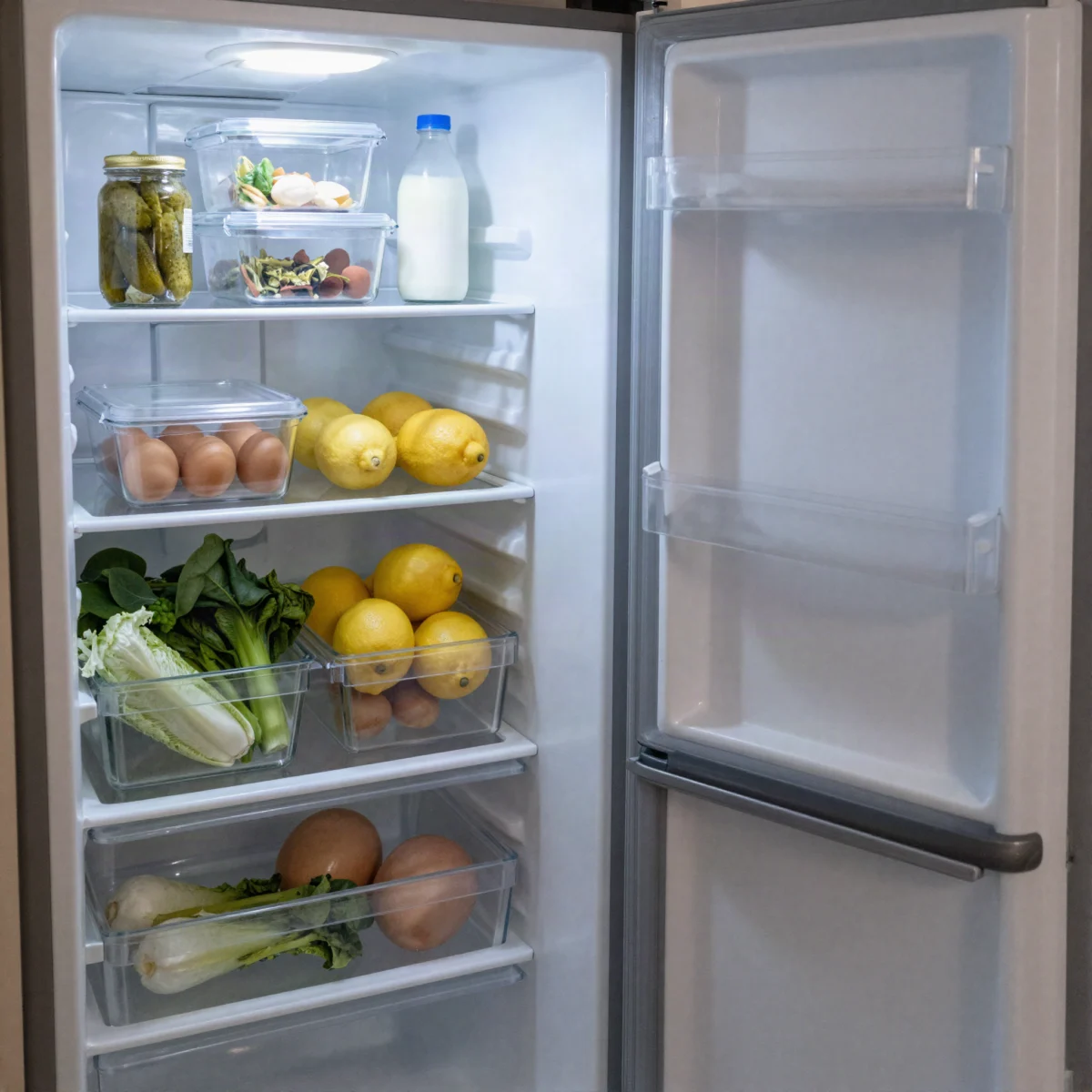
How to store food
Counter, fridge or freezer, how long each one keeps, and the small habits that make it last longer.
Foodlarder shows you how to store food at home, one ingredient at a time. Each guide gives the counter, fridge and freezer times, the signs that it has turned, and a plain verdict on what to keep.
Every
Storage time cites its source
Three
Verdicts: use it, trim it or throw it out
Zero
Hidden sponsors
On every ingredient page
Every guide answers the same three questions in the same order, so you can find the answer with the ingredient in your hand. That way, learning how to store food never means reading a whole article first.
Counter, fridge or freezer, how long each one keeps, and the small habits that make it last longer.
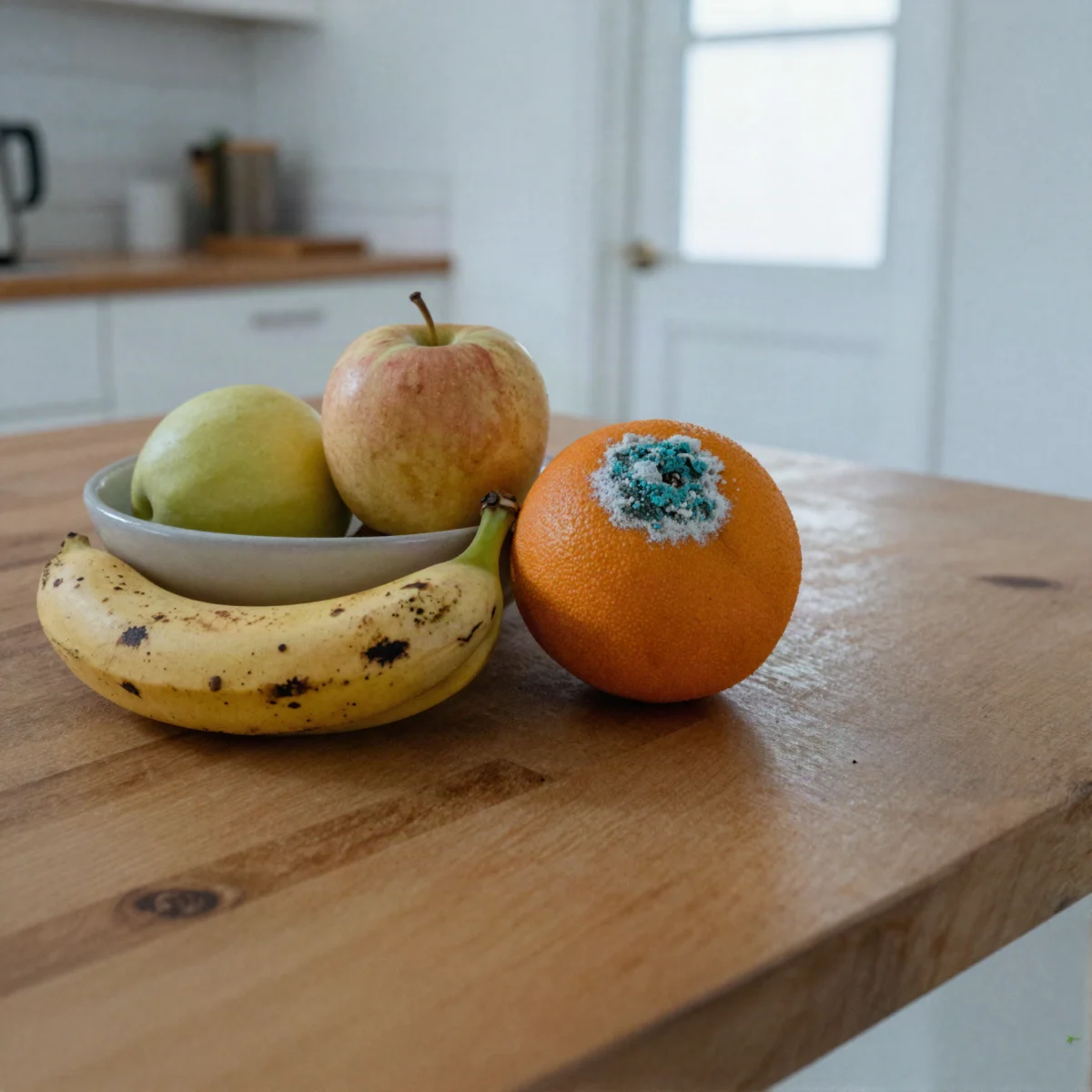
What it looks like as it turns, stage by stage, with a plain verdict on whether to use it, trim it or throw it out.
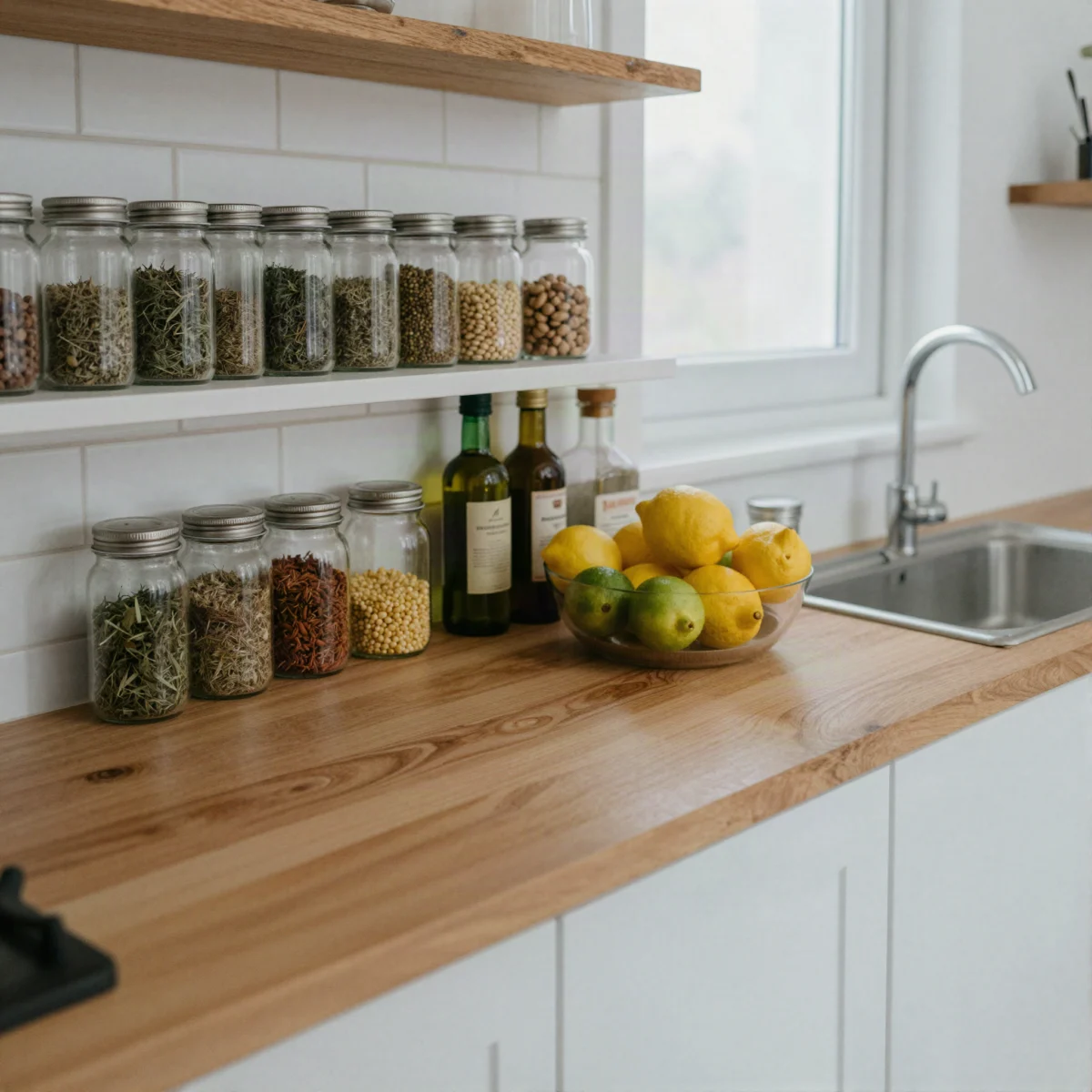
Substitutes for when yours is gone or past saving, and what each one changes in the dish.
Ingredients
Cooked chicken has 2 hours on the counter and 3 to 4 days in the fridge, and the danger never shows. Cooling it, freezing it, reheating it, and when to throw it out.
Dry yeast rarely rots, it simply dies. How long it keeps sealed, opened, in the fridge and the freezer, the 10-minute test that settles it, and when to throw it out.
Shallots want cold and dry, not just cool. The temperature and humidity extension services actually specify, how long they keep, freezing them, and when one is finished.
Acorn squash is the one winter squash you should not cure. Where to keep it, how long it really lasts, how to freeze it, and how to tell when it has gone bad.
How to store cake pops: 3 to 7 days on the counter for buttercream, 7 to 10 days chilled, about a month frozen. When cream cheese frosting forces the fridge, and why the shell sweats on the way out.
How to store Rice Krispie treats: airtight at room temperature, never the fridge, and about 3 months in the freezer. Why no food-safety authority dates the bars, why they go hard, and the one state worth binning.
How to store salt: plain salt keeps indefinitely when it stays dry, but the iodine and the anti-caking agent in the box both fade. Morton's five-year date, why salt cakes, and the one state of salt worth binning.
How to store Brussels sprouts: unwashed and loosely bagged in the crisper, where NDSU gives them 3 to 5 days. Why published shelf lives run from 1 day to a month, how to freeze them by size, and the five stages worth knowing.

About
I am Emilly White, a food blogger from Illinois, and I have been writing about food since 2015. Every Foodlarder guide names the published guidance behind its storage times.
Storage times come from university extension and food safety sources. Then I write up what matters standing at the counter: how to choose the ingredient, where it keeps, how to freeze it and what each stage of spoiling means.
Why we started
Most of the food thrown out of this kitchen started as a good intention in the wrong container.
Storage times come from university extension services and food safety agencies, such as the USDA FoodKeeper and the National Center for Home Food Preservation.
Each guide names its sources and links to them, so you can check any storage time yourself.
Every spoilage stage comes with a plain verdict: use it, trim it or throw it out.
Sponsored and affiliate links are labelled where they appear.
The Sunday Shelf
New ingredient guides when they go up, plus one storage tip worth knowing. Anything sponsored is labelled.