
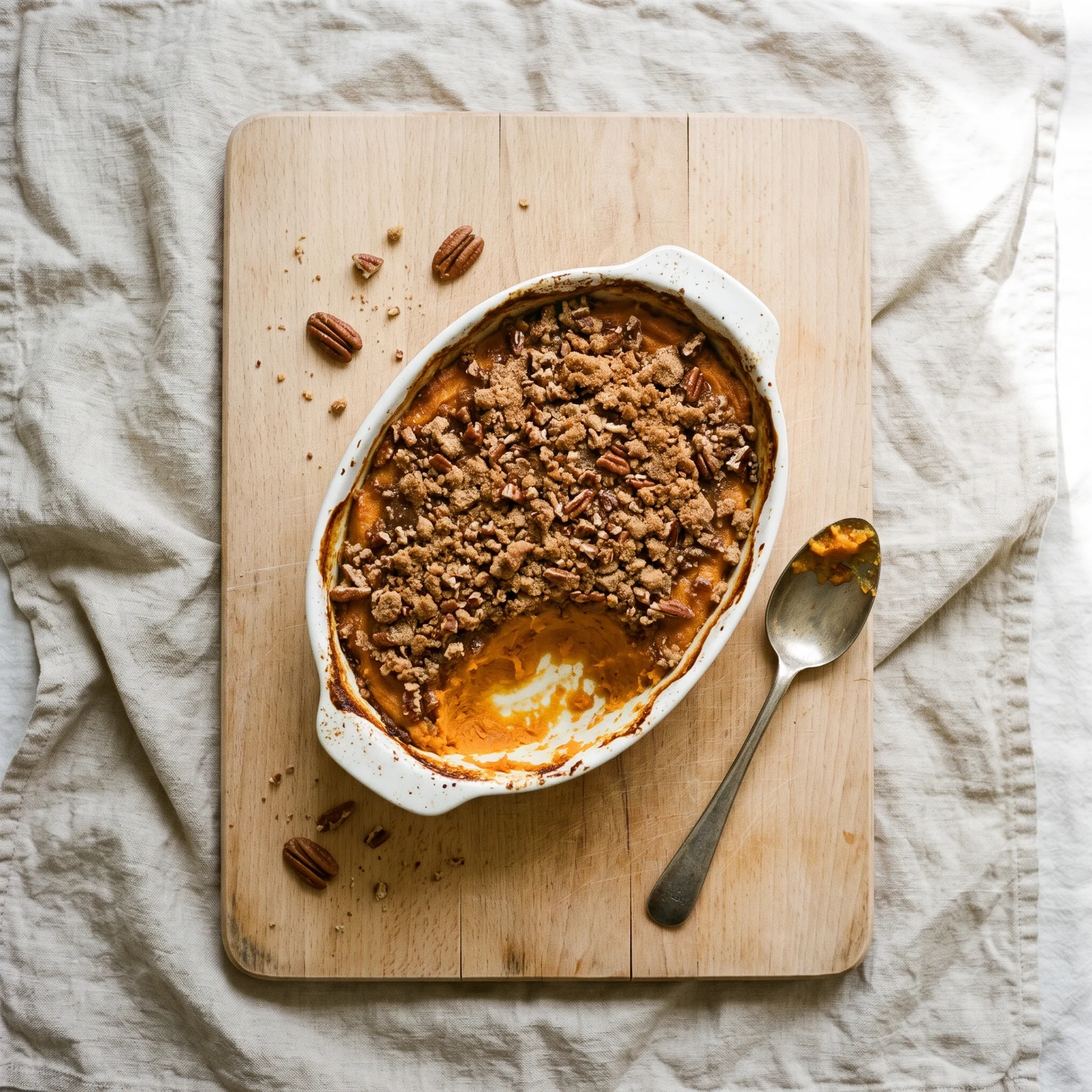
2 hours at most
Baked, at room temperature; 1 hour above 90°F
3 to 4 days
Covered, at 40°F or below
About 1 month
Airtight at 0°F, for best quality
Yes, you can freeze sweet potato casserole for about a month, and it keeps 3 to 4 days in the fridge. Cool it within 2 hours of baking, cover it and chill it straight away, then reheat it to 165°F before serving. If it sat out more than 2 hours or smells sour, throw it out.
On this page
How do you cool sweet potato casserole?
Get sweet potato casserole into the fridge within 2 hours of baking, because bacteria grow fastest between 40 and 140°F. A deep dish cools slowly, so spoon leftovers into shallow containers. Hot food can also go straight into the fridge, so there is no need to wait for it to cool on the counter.
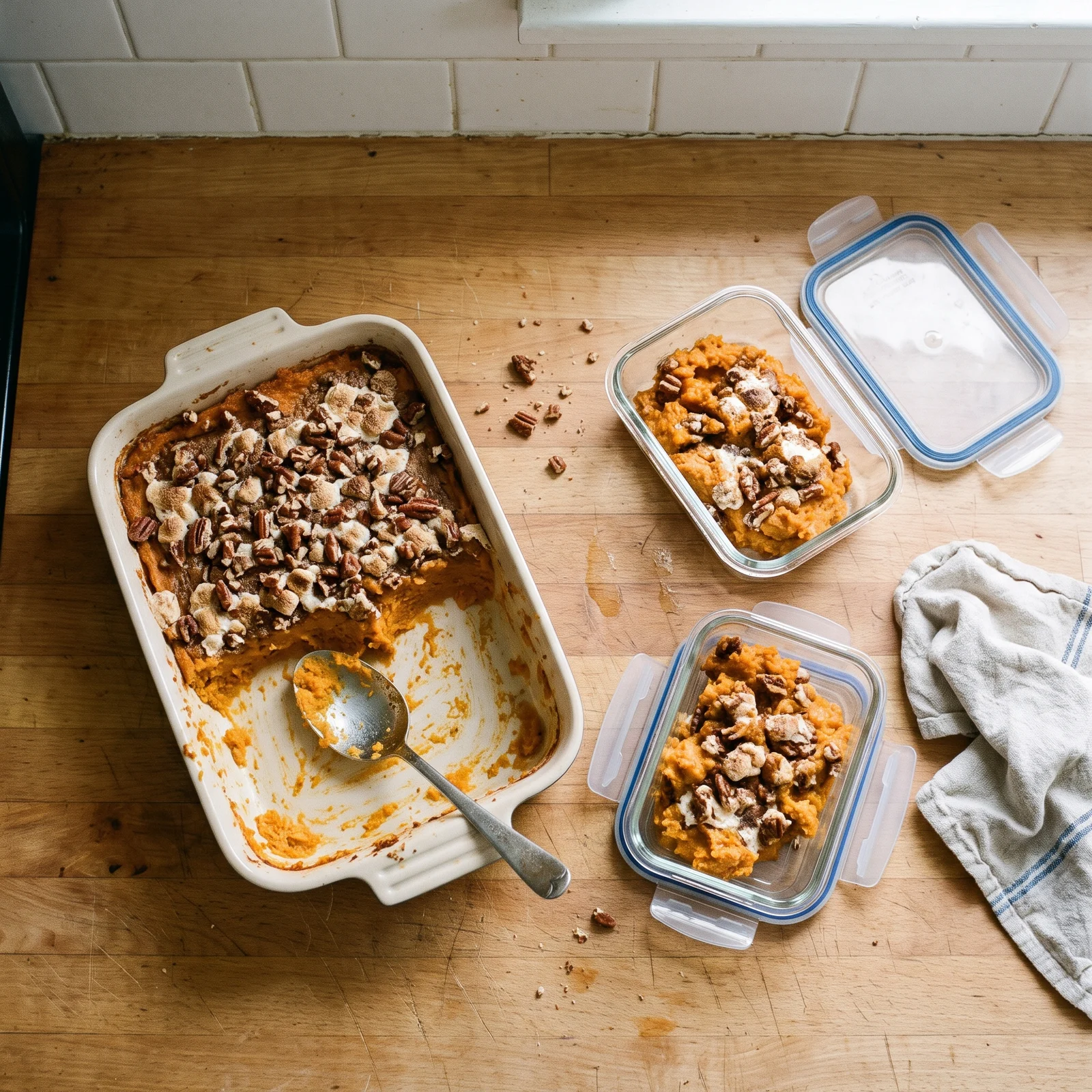
Shallow, covered and chilled within 2 hours.
Shallow, covered and chilled within 2 hours.
Chill it within 2 hours of baking, or within 1 hour when the room is above 90°F.
Use shallow containers, because a big dish divided into shallow ones reaches 40°F much faster.
Put it straight into the fridge, since hot food can go in directly or into an ice or cold water bath first.
Keep it covered, because a lid or wrap keeps bacteria out, holds in moisture and stops it picking up fridge smells.
How to store sweet potato casserole so it lasts
To store sweet potato casserole so it lasts, cool it fast, cover it and keep it at 40°F or below. It is a cooked dish, so it follows the same rules as any other leftover.
How do you store sweet potato casserole in the fridge?
Store sweet potato casserole covered in the fridge at 40°F or below, in the baking dish or in shallow containers. Wrap the dish tightly or seal the containers so it does not dry out or pick up smells, and keep it on a shelf rather than in the door, where the temperature changes each time it opens.
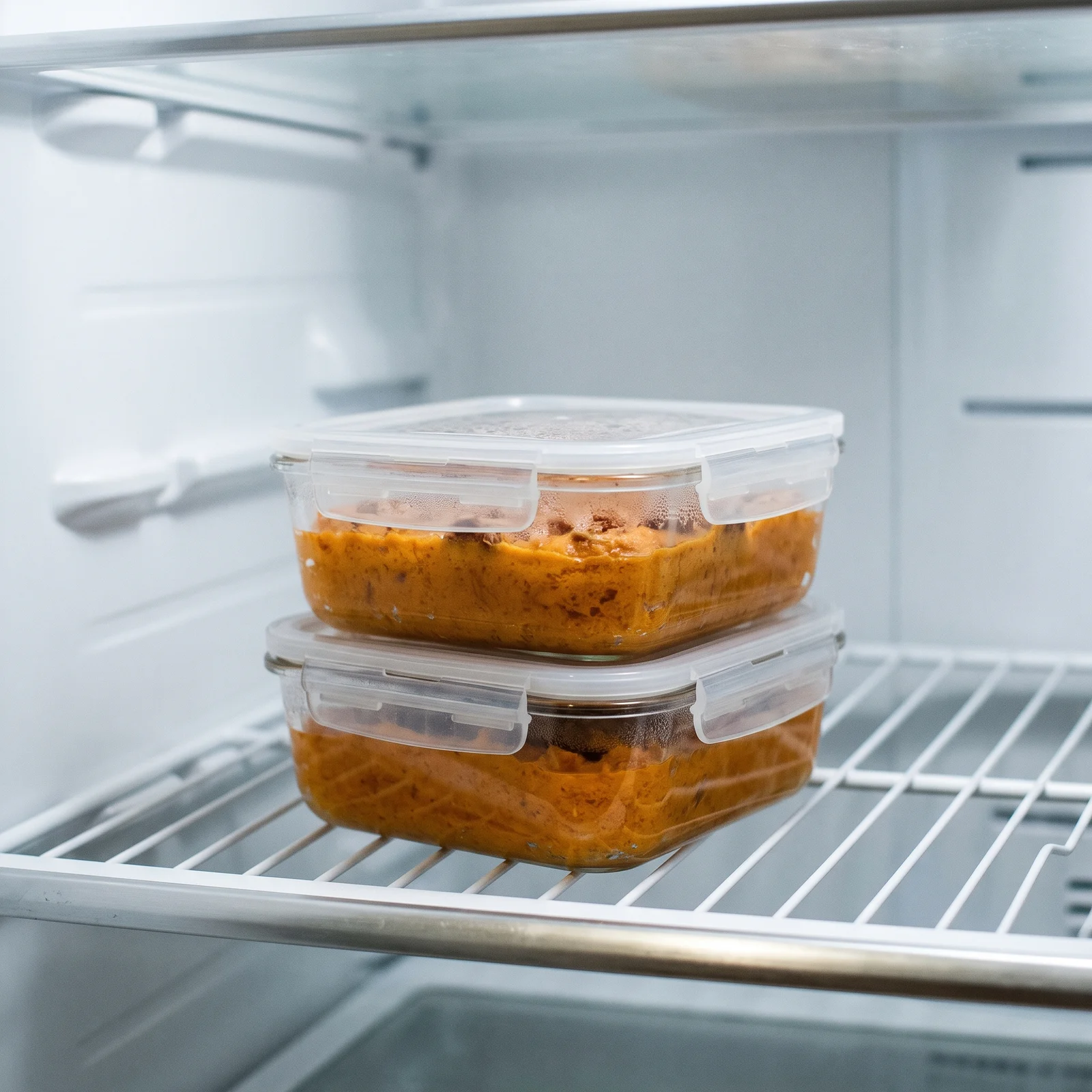
Covered, at 40°F or below.
Covered, at 40°F or below.
How long does sweet potato casserole last in the fridge?
Sweet potato casserole lasts 3 to 4 days in the fridge, the time casseroles and other cooked leftovers get, whatever is in them. So a dish baked for Thanksgiving dinner should be eaten or frozen by the Monday after, counting from the day you baked it rather than the day you served the last of it.
Label the dish with the baking day, since the mashed potatoes guide runs on the same 3 to 4 day clock.
Can you make sweet potato casserole ahead?
Yes, as long as you stay within the fridge window: a baked casserole keeps 3 to 4 days covered in the fridge, so baking it a day or two before the meal is fine. For longer, freeze it instead, then reheat it to 165°F on the day so it is hot right through rather than just warm on top.
How do you reheat sweet potato casserole?
Reheat sweet potato casserole to 165°F, checked with a food thermometer in the center. Cover the dish while it heats, because that holds in moisture and helps it heat evenly. In a microwave, stir or rotate it partway through, since microwaves leave cold spots, then let it stand for a minute before you check the temperature.
Can sweet potato casserole sit out overnight?
No, sweet potato casserole should not sit out overnight. It is a cooked dish, so it gets 2 hours at room temperature, or 1 hour above 90°F. After that it goes in the bin, even if it looks and smells fine, because the bacteria that cause illness do not change how food looks. The food left out overnight guide covers the rest of the table.
Can you freeze sweet potato casserole?
Yes, sweet potato casserole freezes for about a month at best quality, although the sources differ on how long: one storage chart gives casseroles 1 month, while general guidance gives frozen leftovers 3 to 4 months. So aim for a month and treat 3 to 4 as the outside edge. Frozen food stays safe indefinitely, so the limit is about flavor and texture rather than safety.
How do you freeze sweet potato casserole?
Cool the casserole first, then wrap the dish airtight or pack it into freezer containers. If you mash the sweet potatoes ahead to freeze them, stir in 2 tablespoons of orange or lemon juice for each quart, which stops them darkening. Leave half an inch of headspace in containers, then label them with the date so the month is easy to track.
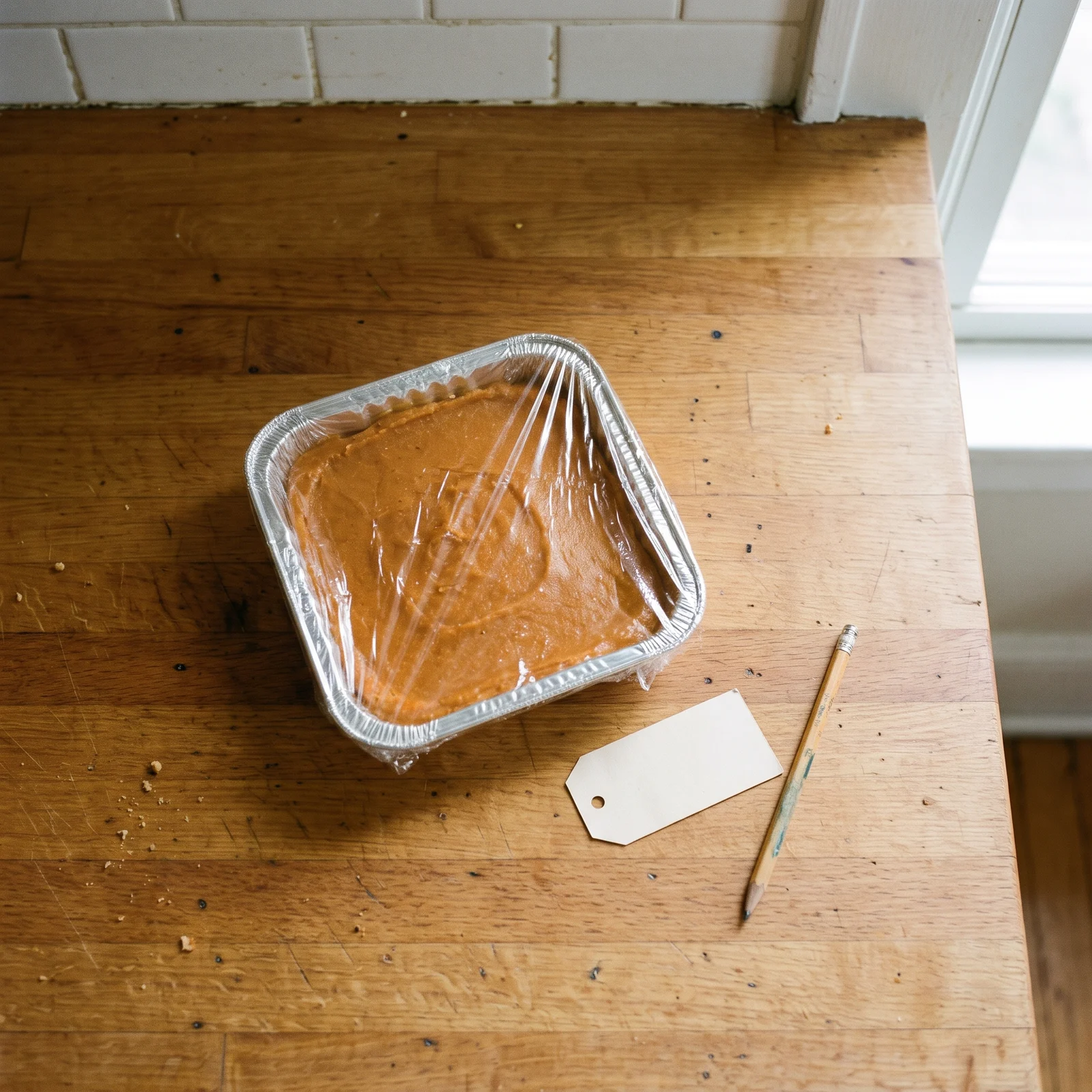
Cooled, sealed, labelled and frozen.
Cooled, sealed, labelled and frozen.
Can you freeze sweet potato casserole with marshmallows on top?
None of the sources we opened covers freezing the marshmallow or pecan topping, so we will not guess at how it holds up. The base freezes well on its own, so the safe plan is to freeze the sweet potato layer and add a fresh topping when you reheat it.
How do you thaw frozen sweet potato casserole?
Thaw it in the fridge, which keeps the casserole cold the whole time, although it is the slowest way. After thawing, use it within 3 to 4 days. You can also reheat it straight from frozen, which is safe but takes longer, so cover it and check it reaches 165°F in the center.
How to tell if sweet potato casserole has gone bad
Sweet potato casserole goes bad like any cooked leftover. Time and temperature matter more than looks, because the bacteria that make people ill do not change the smell. A sour smell or mold, though, always means throw it out. Here is what each stage means.
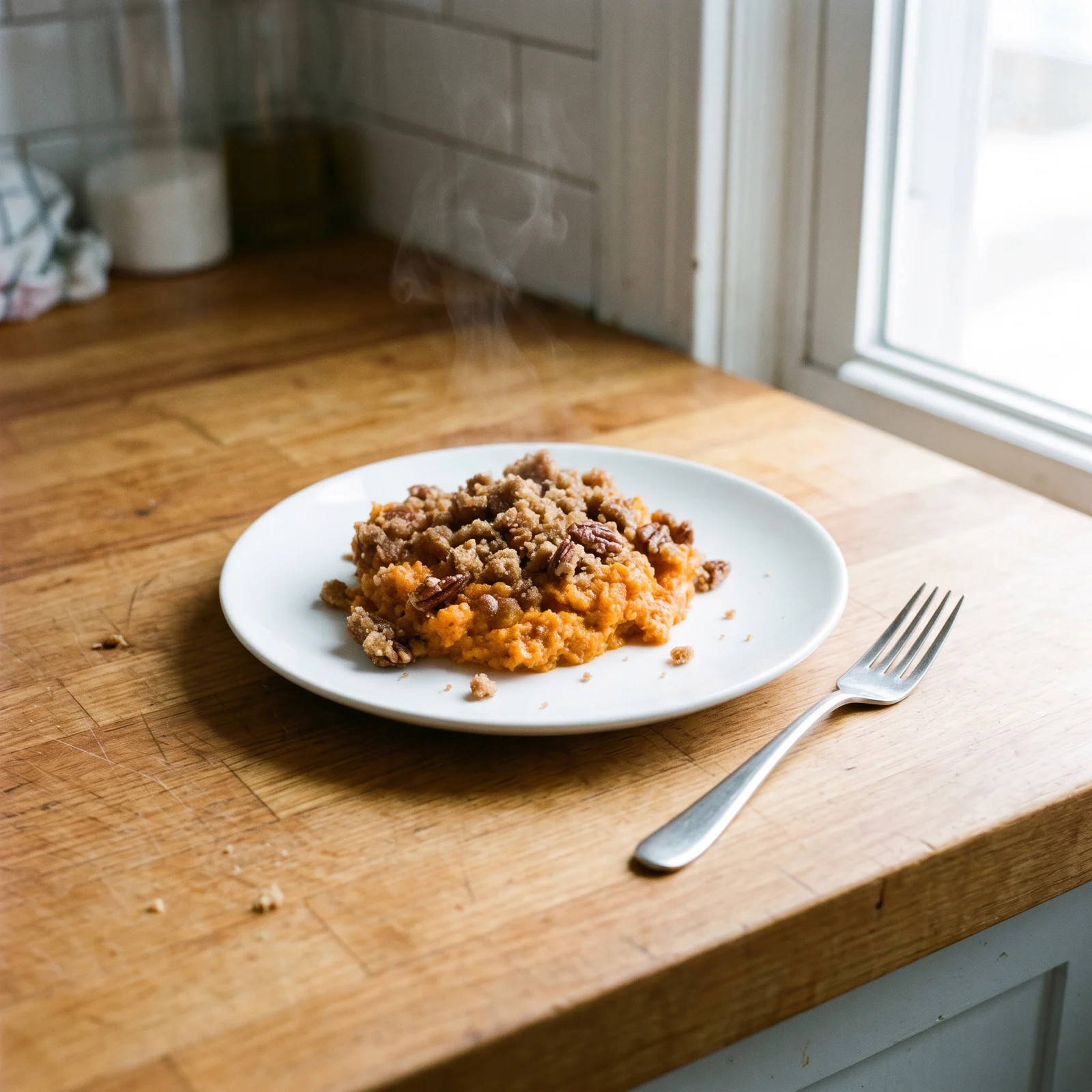
Verdict: eat it
Fresh sweet potato casserole
It was baked within the last 3 to 4 days, chilled within 2 hours and kept covered at 40°F or below, so this sweet potato casserole is fine to reheat to 165°F and serve.
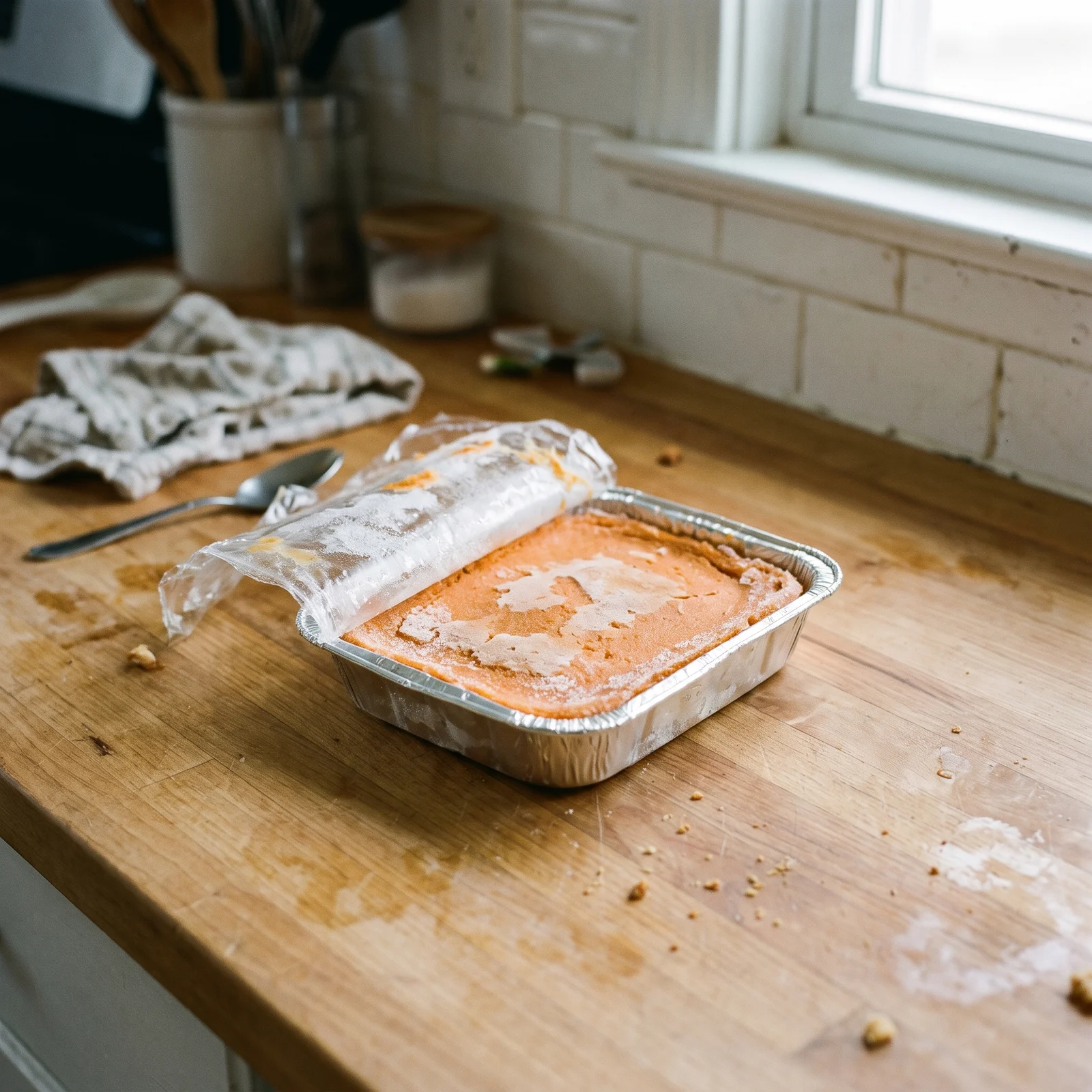
Verdict: trim it and eat it
Freezer-burned sweet potato casserole
The casserole from the freezer has dry, discolored patches on its surface. Freezer burn is a quality problem rather than a safety one, since it only dries the food in spots, so scrape those patches off and reheat the rest of the sweet potato casserole.
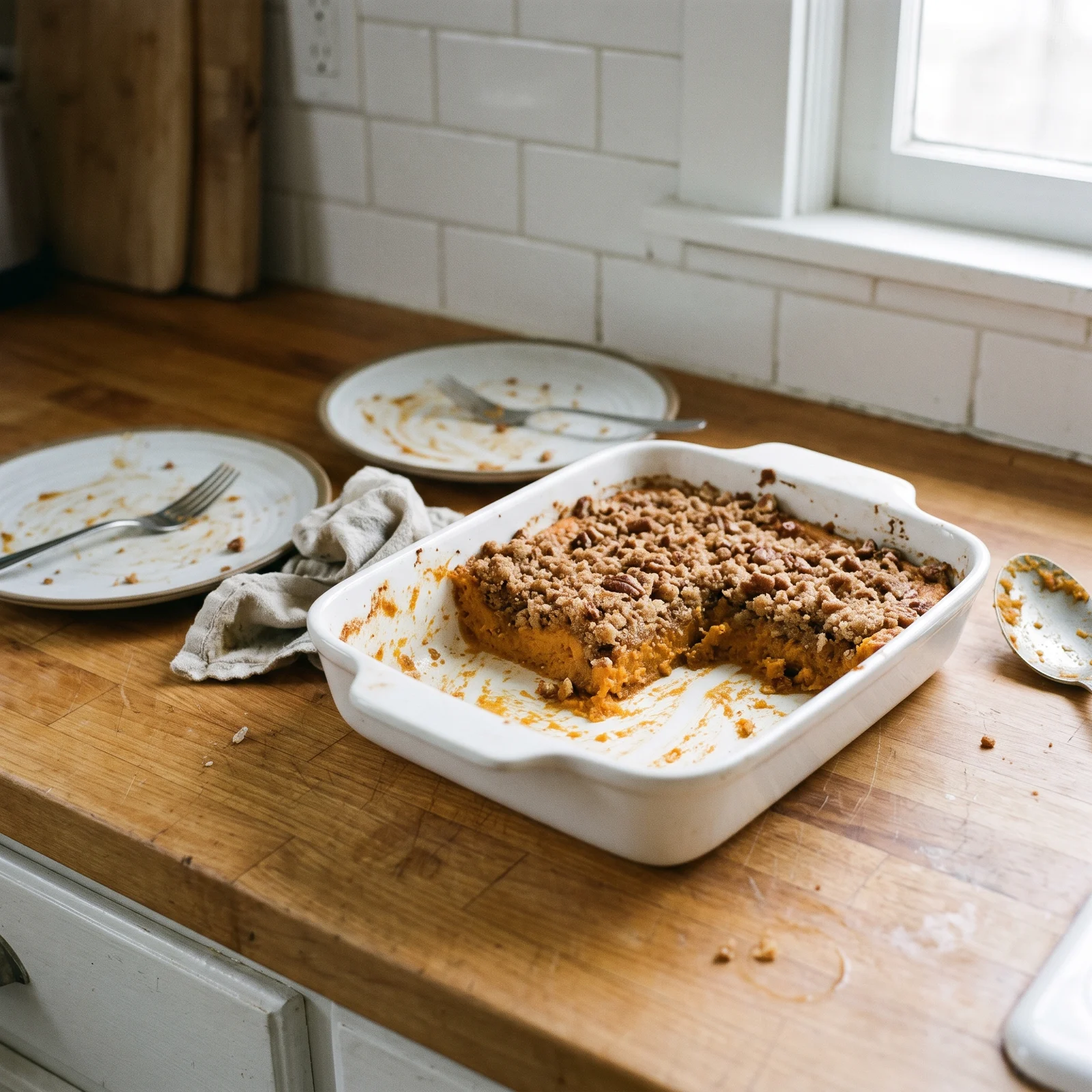
Verdict: throw it out
Sweet potato casserole left out over 2 hours
It looks and smells normal, but it sat on the table or counter past the limit. Perishable food left at room temperature for more than 2 hours, or 1 hour above 90°F, should be thrown away, so this sweet potato casserole goes, however good it looks.
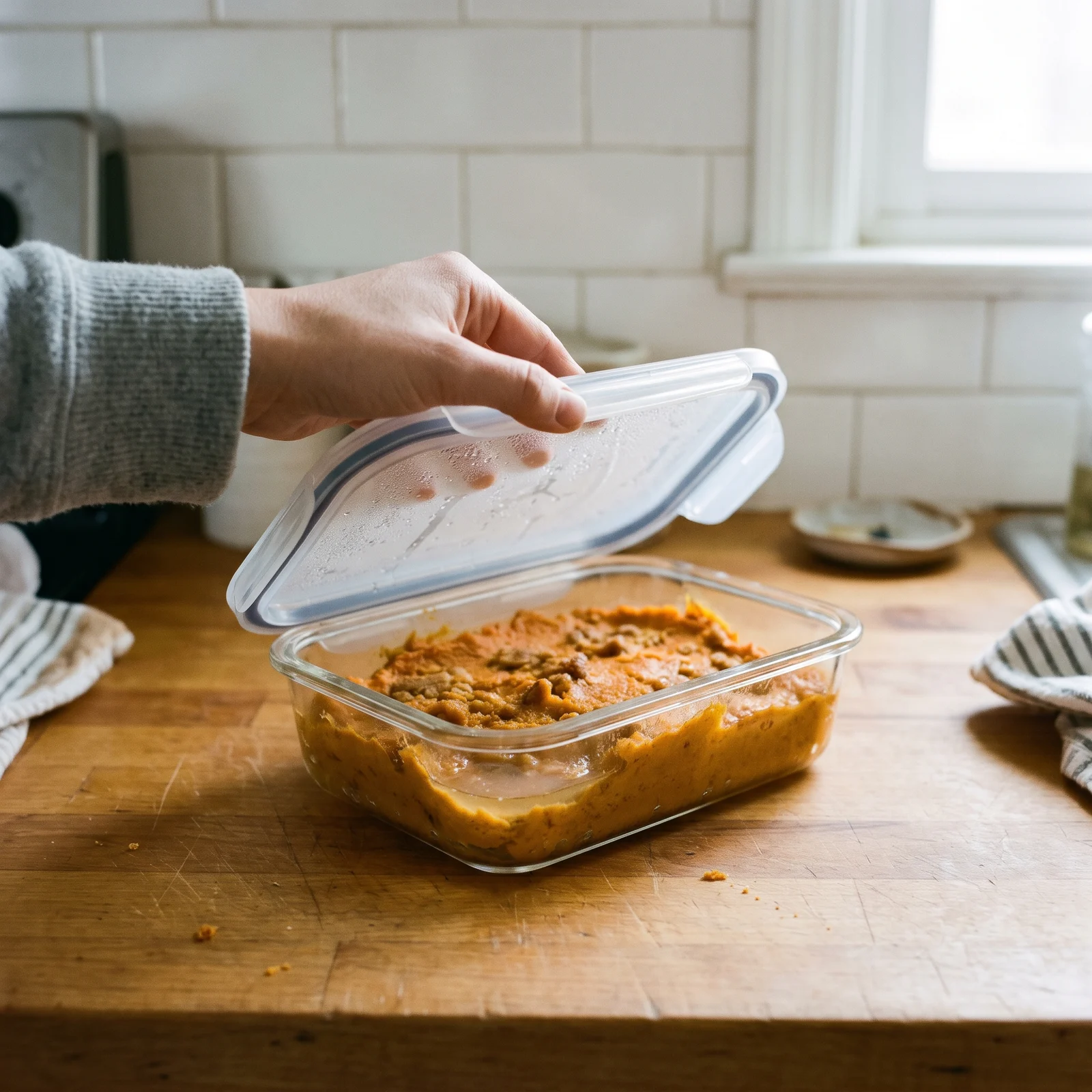
Verdict: throw it out
Sour-smelling sweet potato casserole
The casserole smells sour or off, or its surface has turned slimy or watery. Spoilage bacteria grow even in the fridge and cause those odors and textures, so once sweet potato casserole smells wrong, it has been kept too long.
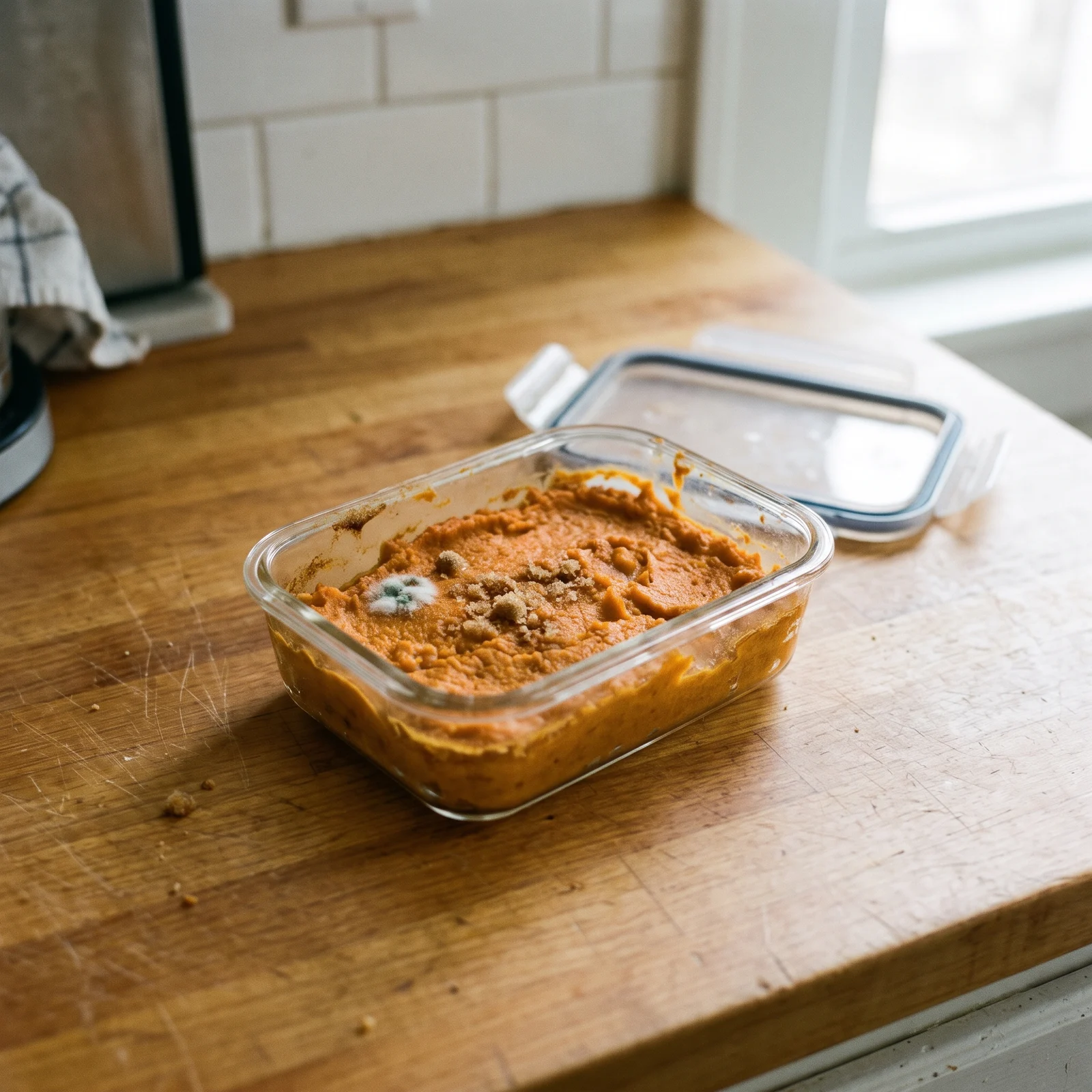
Verdict: throw it out
Moldy sweet potato casserole
There is a fuzzy spot of mold on it, of any color and however small. Cooked casseroles with mold should be thrown out, because moist food can be contaminated below the surface, so do not scrape the spot off but throw out the whole dish of sweet potato casserole.
Is sweet potato casserole safe after 5 days?
No, sweet potato casserole gets 3 to 4 days in the fridge, not 5. It may still look and smell fine on day five, since the bacteria that cause illness do not change food that way, so throw it out after day four or freeze it before then. The sweet potatoes guide covers the raw ones.
Sweet potato casserole substitutes
If you are out of sweet potato casserole, or the leftovers have passed their four days, one of these will fill the same spot on the table.
Substitute
Works best in
What changes
Roasted sweet potatoes
A simpler side
No topping, so it reheats more evenly.
Mistakes people make when they store sweet potato casserole
These are the ways people store sweet potato casserole that cost them the most, so each one has an easy fix.
Leaving it on the table after dinner, even though it has only 2 hours at room temperature before it belongs in the fridge.
Chilling it in one deep dish, when shallow containers cool much faster.
Waiting for it to cool on the counter, when hot food can go straight into the fridge.
Keeping leftovers past day four, rather than freezing them before then.
Freezing it with the topping on, rather than freezing the base and adding a fresh topping when you reheat it.
Reheating it only until warm, when it should reach 165°F in the center.
Scraping off mold and keeping the rest, when the whole dish should go because mold can reach below the surface.
Sources
Food Storage Guide FN579, Julie Garden-Robinson, NDSU Extension, reviewed January 2023, on casseroles keeping 3 to 4 days refrigerated and 1 month frozen.
FoodKeeper App, USDA Food Safety and Inspection Service, on casseroles keeping 3 to 4 days refrigerated.
Leftovers and Food Safety, USDA Food Safety and Inspection Service, last updated July 31, 2020, on the 2-hour rule, shallow containers, airtight wrapping, 3 to 4 days in the fridge, 3 to 4 months frozen, thawing and reheating to 165°F.
Refrigeration and Food Safety, USDA Food Safety and Inspection Service, on pathogens not changing the look or smell of food and spoilage bacteria causing off odors.
Freezing and Food Safety, USDA Food Safety and Inspection Service, last updated August 9, 2024, on freezer burn being safe and frozen food staying safe indefinitely.
Molds on Food: Are They Dangerous?, USDA Food Safety and Inspection Service, on discarding moldy cooked casseroles.
Freezing Sweet Potatoes, National Center for Home Food Preservation, University of Georgia, on adding orange or lemon juice to mashed sweet potatoes and leaving half an inch of headspace.
Every storage time, temperature and verdict on this page comes from the sources listed above, and none of it is made up. Food safety still depends on conditions we cannot see, so read the Disclaimer, and if in doubt, throw it out.
Other ingredient guides
Browse all guides



Share this guide
Never miss a guide
New ingredient guides when they go up, plus one storage tip worth knowing. Anything sponsored is labelled.

Emilly White