
1 to 2 years
Capped tight, 50 to 80°F, out of the light (McCormick, NDSU)
Not needed
Nothing we opened sends extract to the fridge (NDSU, Texas A&M)
Skip it
NDSU warns freezing can introduce moisture into the containers (NDSU)
The short version: screw the cap down hard, then keep the bottle in a closed cupboard away from the cooker. Then it holds its flavor for one to two years. NDSU Extension gives opened vanilla 12 months, and an unopened bottle 2 years. McCormick, meanwhile, gives its own imitation flavor 720 days.
Storage times here come from NDSU Extension, Texas A&M AgriLife Extension and McCormick product specifications. The legal definitions come from the federal standard for vanilla extract, while the spoilage signs come from Clemson Cooperative Extension.
On this page
Is your vanilla imitation or pure?
The label decides how long your bottle keeps, because the two kinds are different liquids. One is bean extract in strong alcohol, while the other is flavored water. So read the front of the bottle before you decide where it lives.
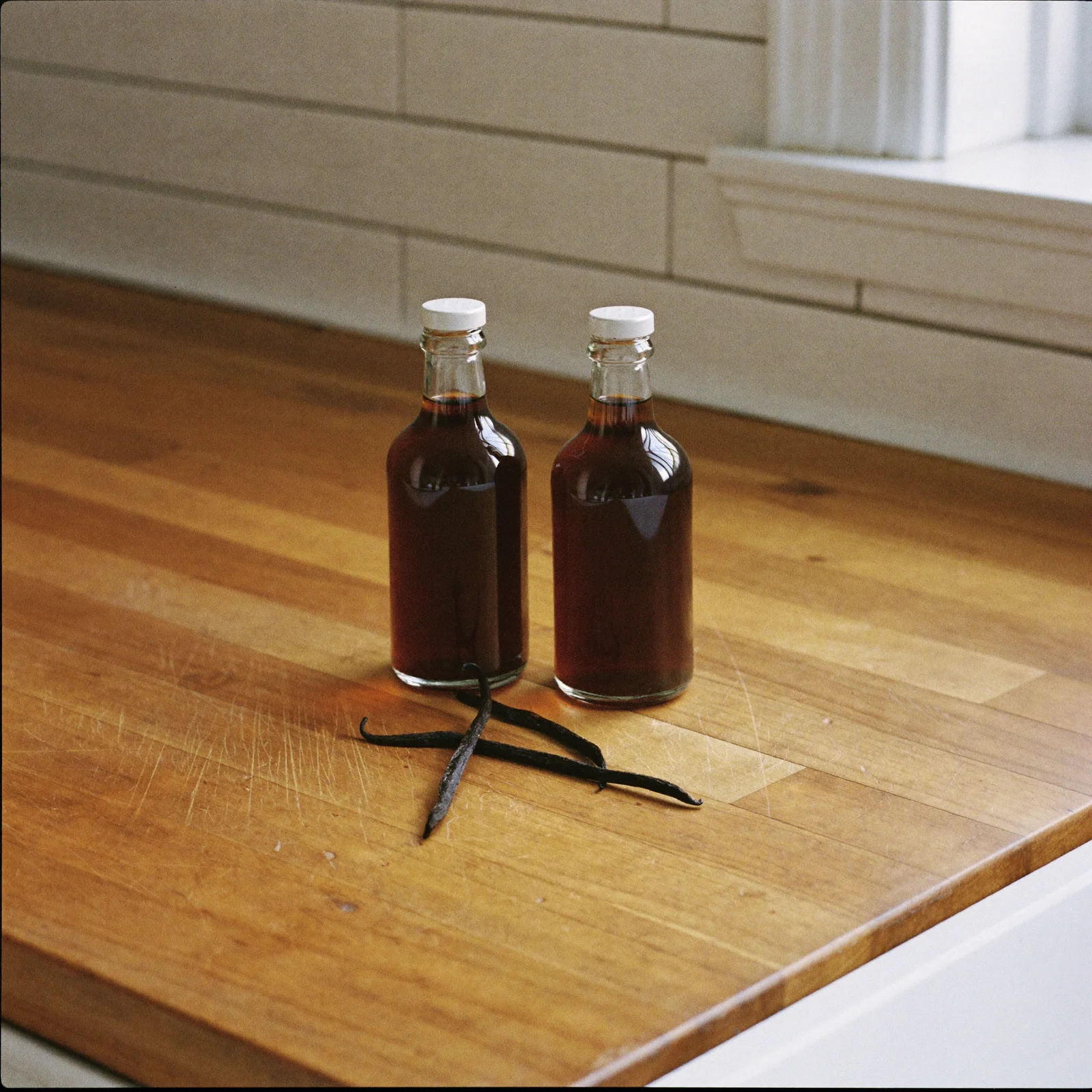
Beans or no beans: the two bottles age differently.
Glass, a lid that seals, and a spoon that is properly dry.
A bottle that says extract is the alcohol kind. The federal standard is why: it requires vanilla extract to hold not less than 35 percent ethyl alcohol by volume. It also sets a minimum of one unit of vanilla constituent per gallon.
That unit is a real weight of beans. Under the same regulations, one unit means 13.35 ounces of vanilla beans. Also, those beans must hold no more than 25 percent moisture.
A bottle that says imitation or flavor need hold no alcohol at all. For example, McCormick's imitation vanilla flavor is water, caramel color, vanillin, ethyl vanillin and 0.1 percent potassium sorbate. That sorbate is a preservative, which an alcohol-heavy extract does not need.
The shelf lives follow from that. In fact, McCormick gives its pure vanilla extract 1,440 days and its imitation flavor 720 days. So write the date you opened yours on the bottle, as the lemon extract guide also advises.
How to store imitation vanilla extract so it lasts
To store imitation vanilla extract so it lasts, treat the cap as the whole job. Air carries the smell away, while heat and light take the color with it. So a tight bottle in a dark cupboard beats every other trick.
Where should you store imitation vanilla extract?
Imitation vanilla extract belongs in a closed cupboard between 50 and 80°F, capped tightly after each use. That is also what McCormick's specification asks for. The same sheet says to avoid heat, humidity, direct sunlight and fluorescent light. NDSU Extension adds that a shelf close to the oven or dishwasher cuts shelf life. That is because heat and moisture reduce potency. So choose a cupboard that shuts, on the cool side of the kitchen.
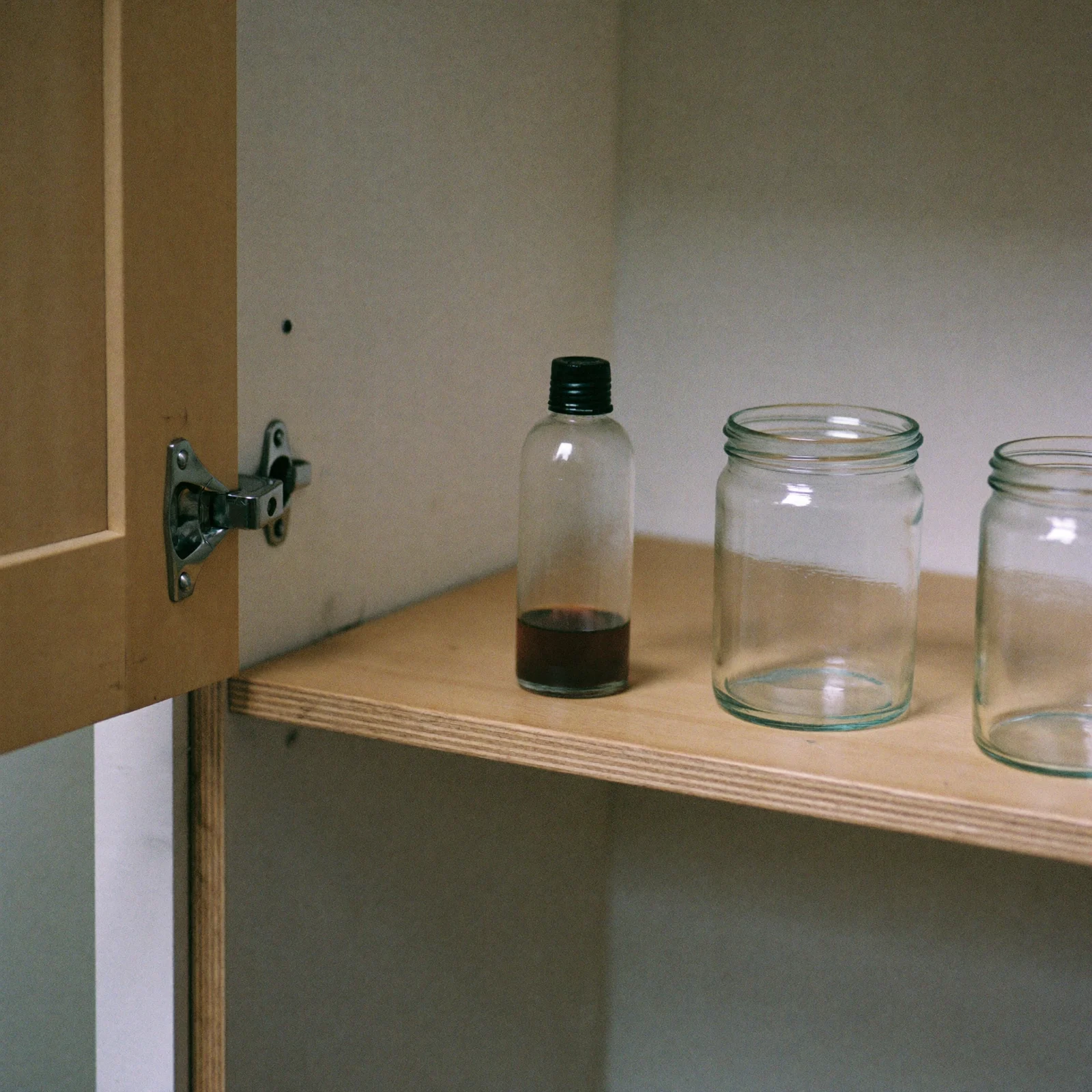
A closed cupboard, 50 to 80°F, cap screwed down.
Sealed, cool and dark, and nowhere near the cooker.
How long does imitation vanilla extract last?
Opened imitation vanilla extract lasts about 12 months, according to NDSU Extension's storage chart. The same chart gives an unopened bottle 2 years, and explains that volatile oils escape. However, McCormick is more generous with its own product. It gives the imitation flavor 720 days, or close to two years, stored tightly closed.
The sources disagree, though, so take the shortest. Texas A&M AgriLife Extension gives most flavoring extracts only 6 months to 1 year. An NDSU Extension column calls vanilla extract's shelf life infinite. However, NDSU's own chart stops at 12 months once a bottle is open. Both figures describe pure extract, though, whereas this bottle has no alcohol holding it together. So treat a year as the point to start smelling it before you measure.
Does imitation vanilla extract need to be refrigerated?
No: none of the sources we opened sends extract to the fridge. NDSU Extension keeps spices and flavorings in a cool, dry cupboard instead. Also, McCormick's own range is 50 to 80°F, which is cupboard temperature in most kitchens. Cold also works against you here, since NDSU warns that freezing can introduce moisture into the containers. Moisture is the one thing a water-based flavor does not need more of.
Why does imitation vanilla lose its smell?
Because the flavor evaporates: NDSU Extension's chart says volatile oils escape from vanilla. So the smell leaves through the cap. Texas A&M AgriLife Extension makes the same point, that flavoring extracts can evaporate over time. McCormick asks for a tightly closed bottle for exactly that reason. Heat speeds it all up, which is why NDSU singles out the shelf by the oven.
Can you still bake with old imitation vanilla?
Yes, and baking is where imitation does best. America's Test Kitchen reports that its tasters could not tell vanilla extract from imitation vanilla in sugar cookies or pudding. That is because many of a pure extract's flavor volatiles burn off in the oven. Its lab also measured about 15 times more vanillin in the imitations than in the extracts. So an older bottle still earns its place in a cake. Even so, follow Texas A&M's advice and check the fragrance first.
Can you freeze imitation vanilla extract?
No: NDSU Extension says not to freeze spices, because freezing can introduce moisture into the containers. Water is the one thing this bottle does not need. None of the sources we opened gives a freezer time for any extract, either. In fact, the cupboard already gives it a year or two.
Where is the best place to keep imitation vanilla?
A closed cupboard at room temperature is the best spot, according to NDSU Extension. So keep it away from the oven and the dishwasher. McCormick's 50 to 80°F range fits that. Its sheet also adds fluorescent light to the list of things to avoid. So a door that shuts matters more than the shelf behind it. Also keep it in its own bottle, since Texas A&M AgriLife Extension says to keep flavorings in their original containers.
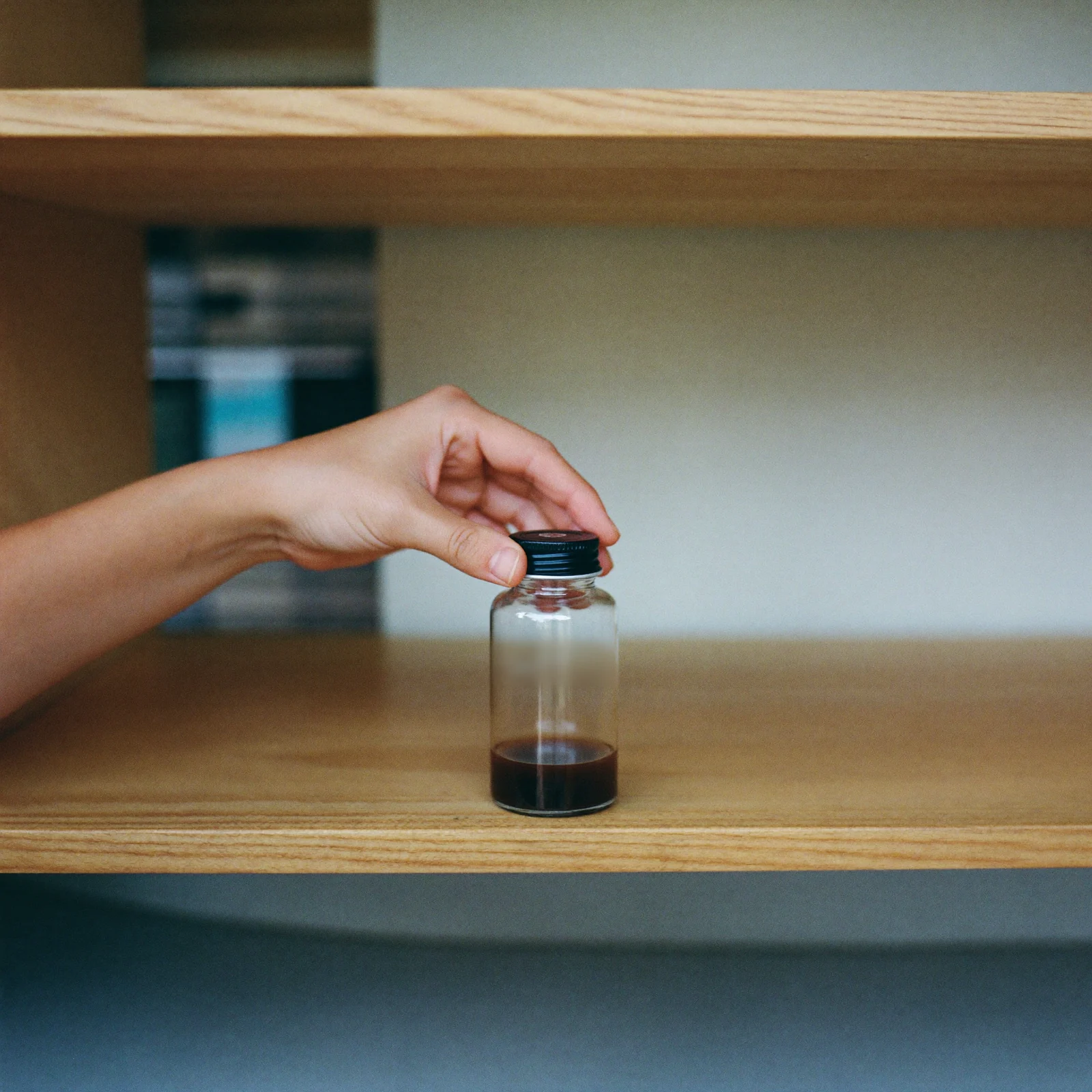
The cupboard wins; the freezer only adds moisture.
Below 41 degrees it keeps for years, but it barely pours.
Does imitation vanilla extract evaporate?
Yes, and that is the main way a bottle dies. McCormick says to keep it tightly closed when not in use, to prevent evaporation. Texas A&M AgriLife Extension says flavoring extracts can evaporate over time. Similarly, NDSU Extension puts it as volatile oils escaping. So cap it the moment you have measured, rather than once the mixing bowl is full.
What is the worst place to keep imitation vanilla?
The shelf above the cooker, or anywhere in the sun. NDSU Extension says spices stored very close to the dishwasher or oven last less long. That is because heat and moisture cut potency. Also, McCormick adds direct sunlight and fluorescent light, both of which take the color as well as the flavor. So move the bottle to the far side of the kitchen.
Does imitation vanilla extract go bad?
Does imitation vanilla extract go bad? Rarely, so most old bottles are simply weaker than they were. Texas A&M AgriLife Extension treats a faded flavoring as a quality problem rather than a safety one. So the first three stages below are about flavor, while the last two are the ones to pour away.
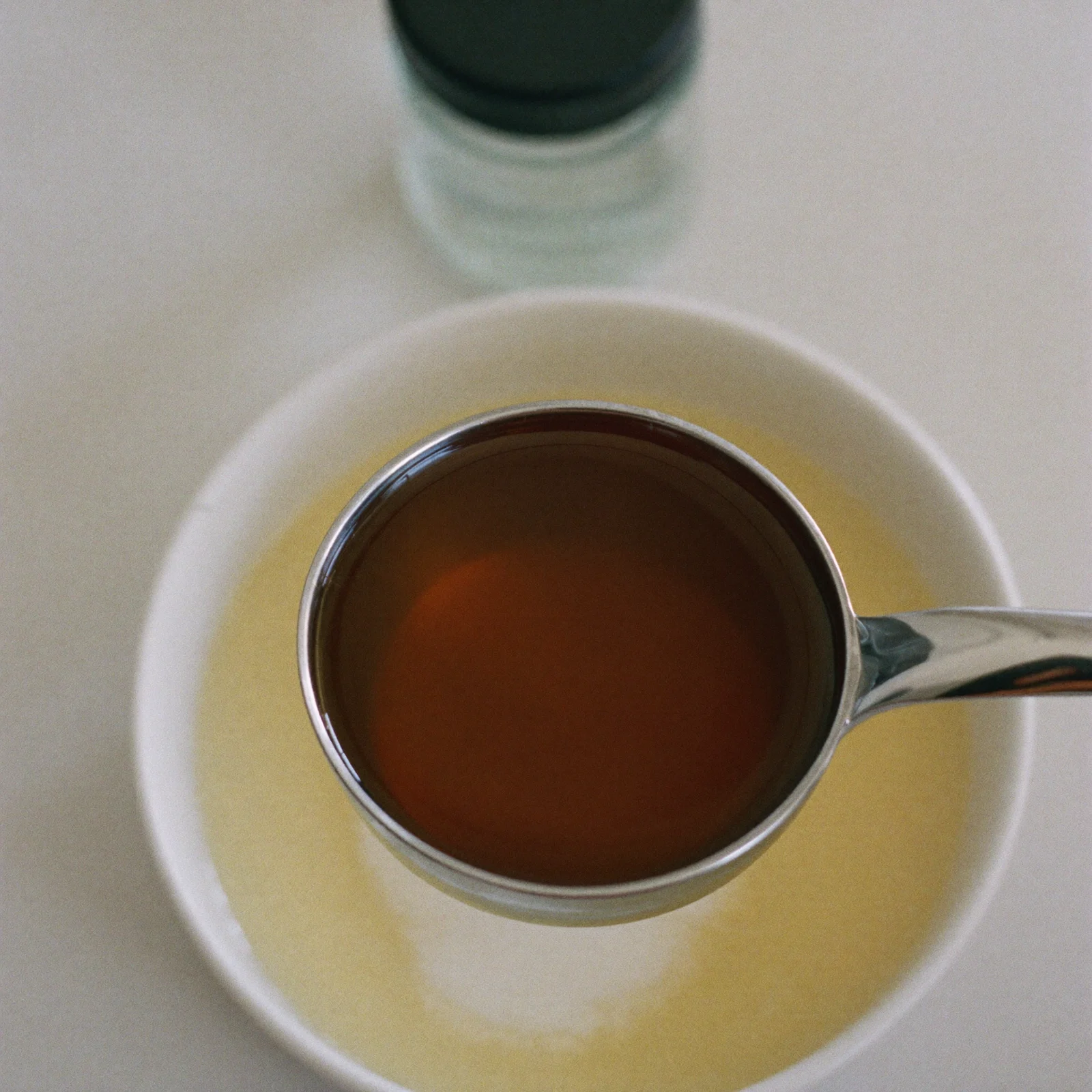
Verdict: use it
Fresh imitation vanilla extract
Dark brown and clear, with a sweet vanilla smell that reaches you before the bottle does. That is a bottle inside its first year, when NDSU Extension's 12-month window still holds. So measure and bake as the recipe says.
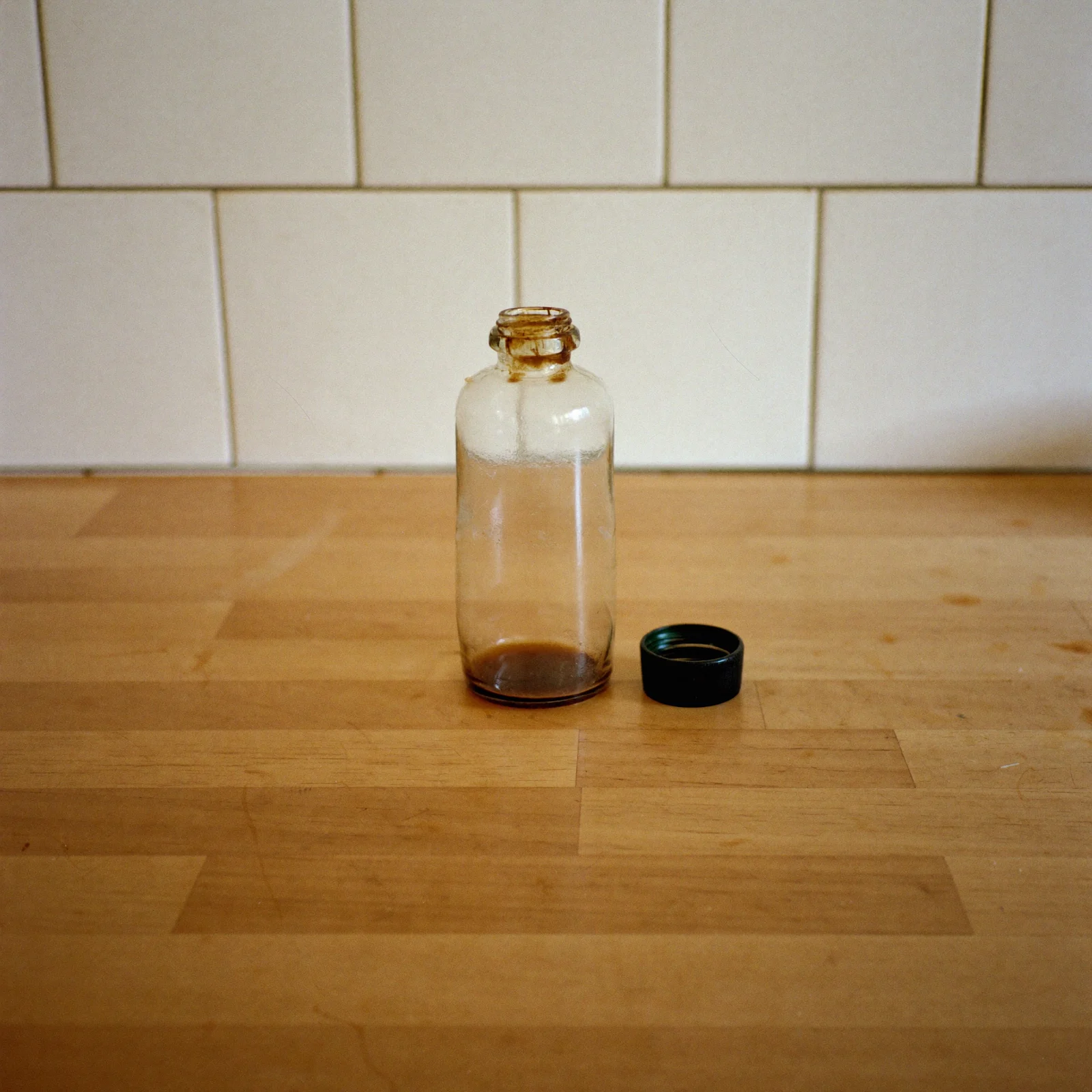
Verdict: use it, and cap it tighter
Low or evaporating imitation vanilla
A level that has dropped without much baking, or a sticky, crusted neck and a cap that sticks. Evaporation is the cause, since McCormick asks for a tightly closed bottle to prevent it. NDSU Extension also says volatile oils escape. So wipe the thread, close it firmly, and use the bottle up.
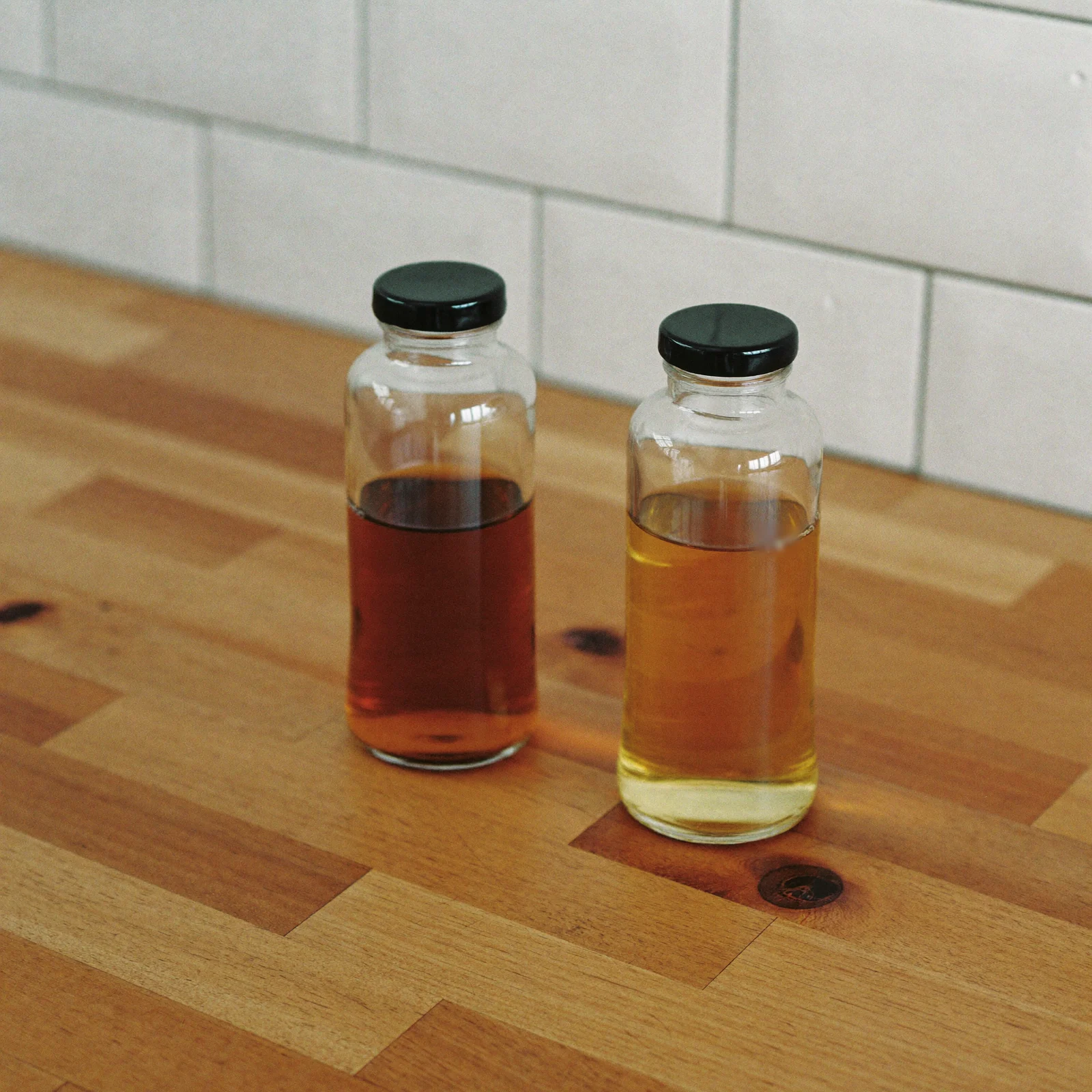
Verdict: use more, or replace it
Faded imitation vanilla extract
A bottle that smells faintly of caramel rather than of vanilla. In fact, Texas A&M AgriLife Extension asks whether a flavoring still has a strong fragrance. So this is a quality call rather than a safety one. Add a little more to the bowl, or buy a fresh bottle for anything uncooked. Ground spices get replaced the same way, as the allspice guide explains.
Verdict: throw it out
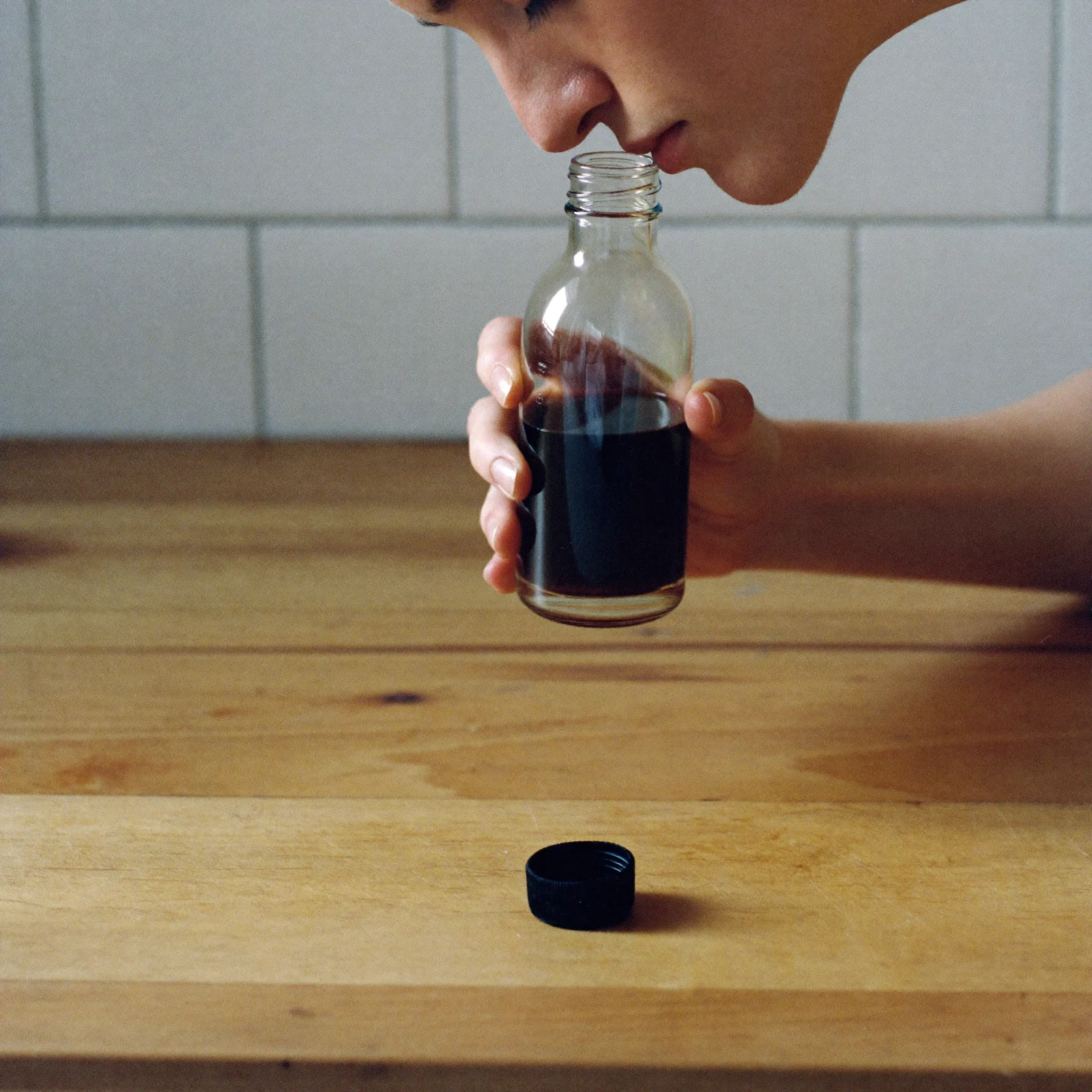
Sour or musty imitation vanilla
A smell that has turned sharp, sour or musty instead of sweet. Clemson Cooperative Extension says to discard a stored container that smells off. This bottle also has only 0.1 percent potassium sorbate standing guard over mostly water, according to McCormick. So pour it away rather than tasting it.
Verdict: throw it out
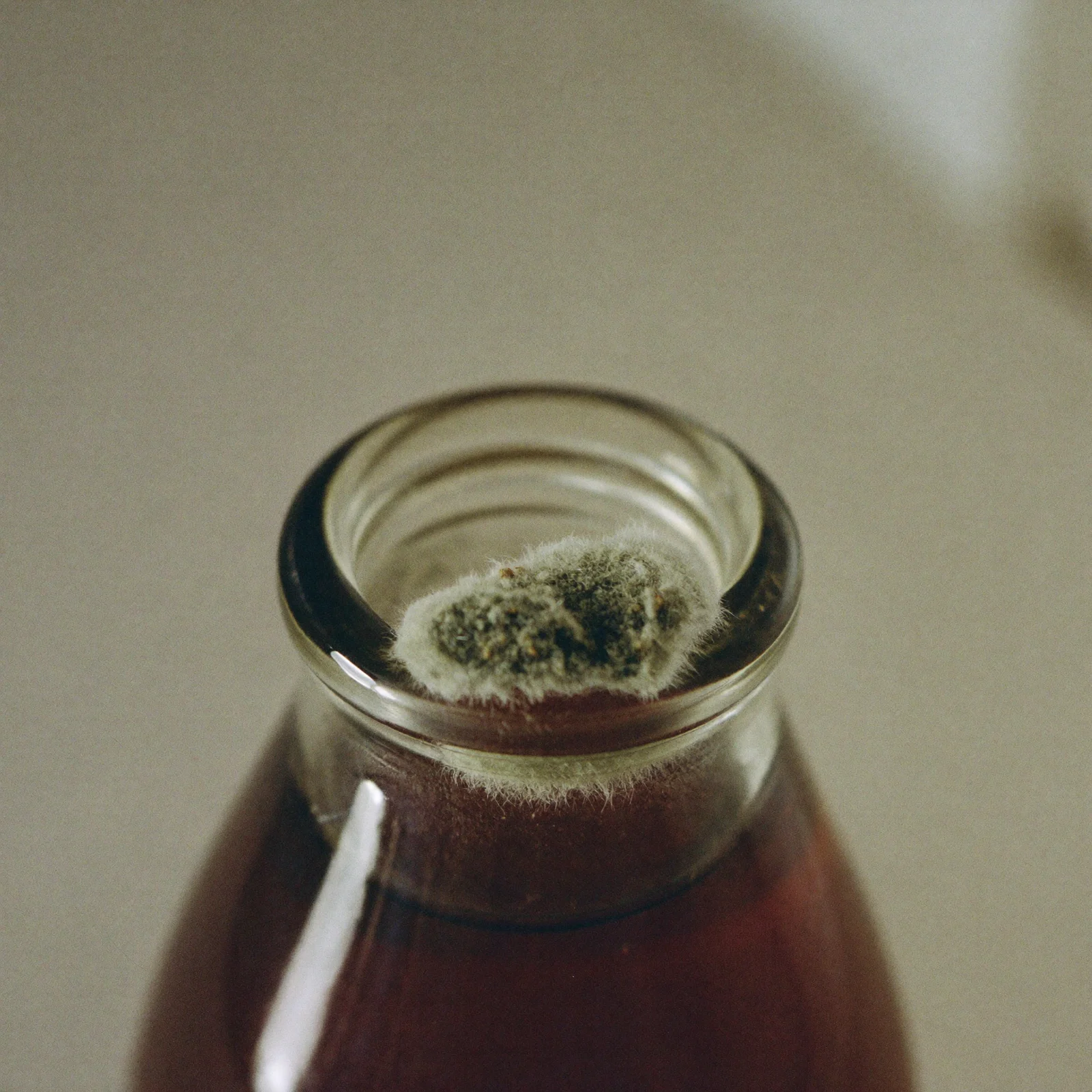
Moldy or leaking imitation vanilla
Anything fuzzy in the neck or under the cap. A bottle that bulges or leaks, or liquid that spurts when you open it. In fact, Clemson Cooperative Extension names each of those as a reason to discard a stored container. A pure extract is largely guarded by its 35 percent alcohol. This one is mostly water, however, so mold is a real possibility. Then wash the shelf before the next bottle goes on it.
Is imitation vanilla as good as pure vanilla?
In baking the difference is hard to find. In fact, America's Test Kitchen's tasters could not tell vanilla extract from imitation vanilla in cookies or pudding. Many of a pure extract's flavor volatiles burn off in the oven, which is where that complexity goes. Uncooked is where pure earns its price instead. McCormick even markets its imitation flavor as better at retaining flavor at high temperatures. So keep the cheap bottle for cakes, and save the pure one for buttercream.
Imitation vanilla substitutes
Out of imitation vanilla, or did the last bottle fade? Then one of these will stand in.
Substitute
Works best in
What changes
Pure vanilla extract
Frostings and custards
At least 35 percent alcohol by law, so it keeps longer.
A faded bottle, used heavier
Cakes and cookies
Still works if you add a little more than the recipe says.
Almond extract
Biscuits and sponges
A different flavor, so start with half as much.
Mistakes people make when they store imitation vanilla
These are the ways people store imitation vanilla that cost them the most, and each one is easy to fix.
Leaving the cap loose. McCormick asks for a tightly closed bottle, because evaporation is what takes the flavor.
Keeping it beside the cooker. NDSU Extension says that shelf shortens its life, since heat and moisture cut potency.
Standing it on a sunny windowsill. McCormick's sheet warns against direct sunlight and fluorescent light.
Putting it in the freezer. NDSU Extension says that can introduce moisture into the containers, so skip it.
Decanting it into a prettier jar. Texas A&M AgriLife Extension says to keep flavorings in their original containers.
Buying the big bottle for one cake a year. NDSU's chart gives opened vanilla 12 months.
Paying for pure vanilla to bake with. Even so, America's Test Kitchen's tasters could not tell the two apart in cookies.
Sources
Food Storage Guide, Julie Garden-Robinson, NDSU Extension publication FN579, on vanilla at 2 years unopened and 12 months opened, other extracts at 12 months opened, keeping bottles tightly closed because volatile oils escape, and storing staples in cool cabinets away from appliances that produce heat.
Prairie Fare: Don't Forget Your Spices, Julie Garden-Robinson, NDSU Extension, May 2013, on vanilla extract having an infinite shelf life, a cool and dry cupboard, heat and moisture decreasing potency, shelves very close to the oven or dishwasher reducing shelf life, and not freezing spices because that can introduce moisture into the containers.
Spices, Do they Expire?, Dinner Tonight, Texas A&M AgriLife Extension, September 2019, on most flavoring extracts lasting 6 months to 1 year with pure vanilla the exception, flavoring extracts evaporating over time, keeping spices in their original bottles in a dark, cool place, adding the purchase date to the bottle, and checking for a bright color or strong fragrance.
McCormick Culinary Imitation Vanilla Flavor product specification, McCormick & Company sell sheet, on a shelf life of 720 days when stored tightly closed when not in use in a cool, dry place to prevent evaporation, a storage range of 50 to 80°F, avoiding heat, humidity, direct sunlight and fluorescent light to maintain flavor and color, an ingredient statement of water, caramel color, vanillin, ethyl vanillin and 0.1 percent potassium sorbate added as a preservative, and the claim that it retains flavor better than pure vanilla extract at high temperatures.
McCormick Culinary Pure Vanilla Extract, McCormick & Company, on a shelf life of 1,440 days stored in a cool, dry place, avoiding humidity, heat, fluorescent light and direct sunlight, and an ingredient statement of vanilla bean extractives in water and alcohol.
21 CFR 169.175 Vanilla extract, Code of Federal Regulations, title 21, on the content of ethyl alcohol being not less than 35 percent by volume and the vanilla constituent being not less than one unit per gallon.
21 CFR 169.3 Definitions, Code of Federal Regulations, title 21, on one unit weight being 13.35 ounces of vanilla beans containing not more than 25 percent moisture.
Safety of Stored Foods, Pamela Schmutz and E.H. Hoyle, Clemson Cooperative Extension fact sheet HGIC 3520, revised April 2020, on discarding a stored container that bulges, leaks, spurts liquid, smells off or shows mold.
Vanilla Extract vs. Imitation Vanilla, America's Test Kitchen, on tasters being unable to tell the difference between vanilla extract and imitation vanilla in sugar cookies and vanilla pudding, flavor volatiles burning off in the oven, and imitations averaging about 15 times more vanillin than the extracts.
Storage times and safety advice on this page come from the sources above. Food safety depends on conditions I cannot see, so read the Disclaimer, and if in doubt, throw it out.
Other ingredient guides
Browse all guides
Share this guide
Never miss a guide
New ingredient guides when they go up, plus one storage tip worth knowing. Anything sponsored is labelled.

Emilly White