

6 to 12 months
Opened, lid tight, cool and dark (USDA FoodKeeper)
6 to 12 months
Optional; not needed, but it slows rancidity (NDSU)
1 to 2 years
Sealed, in a cool, dark cupboard (USDA FoodKeeper, NDSU)
The short version: vegetable shortening such as Crisco keeps 1 to 2 years unopened and 6 to 12 months once opened, according to the USDA's FoodKeeper data. Store it with the lid tight in a cool, dark cupboard, away from the stove. It does not need the fridge. Throw it out once it smells sharp, sour or like paint, because that means it has gone rancid.
Storage times here come from the USDA's FoodKeeper data, NDSU Extension, Ohio State University Extension and Washington State University Extension, with rancidity guidance from NDSU Extension and Colorado State University Extension.
On this page
What to check before you store shortening
Shortening keeps longest when it starts fresh and stays sealed, because the USDA's FoodKeeper data gives an unopened can 1 to 2 years but an opened one only 6 to 12 months. So check a few things before it goes back in the cupboard.
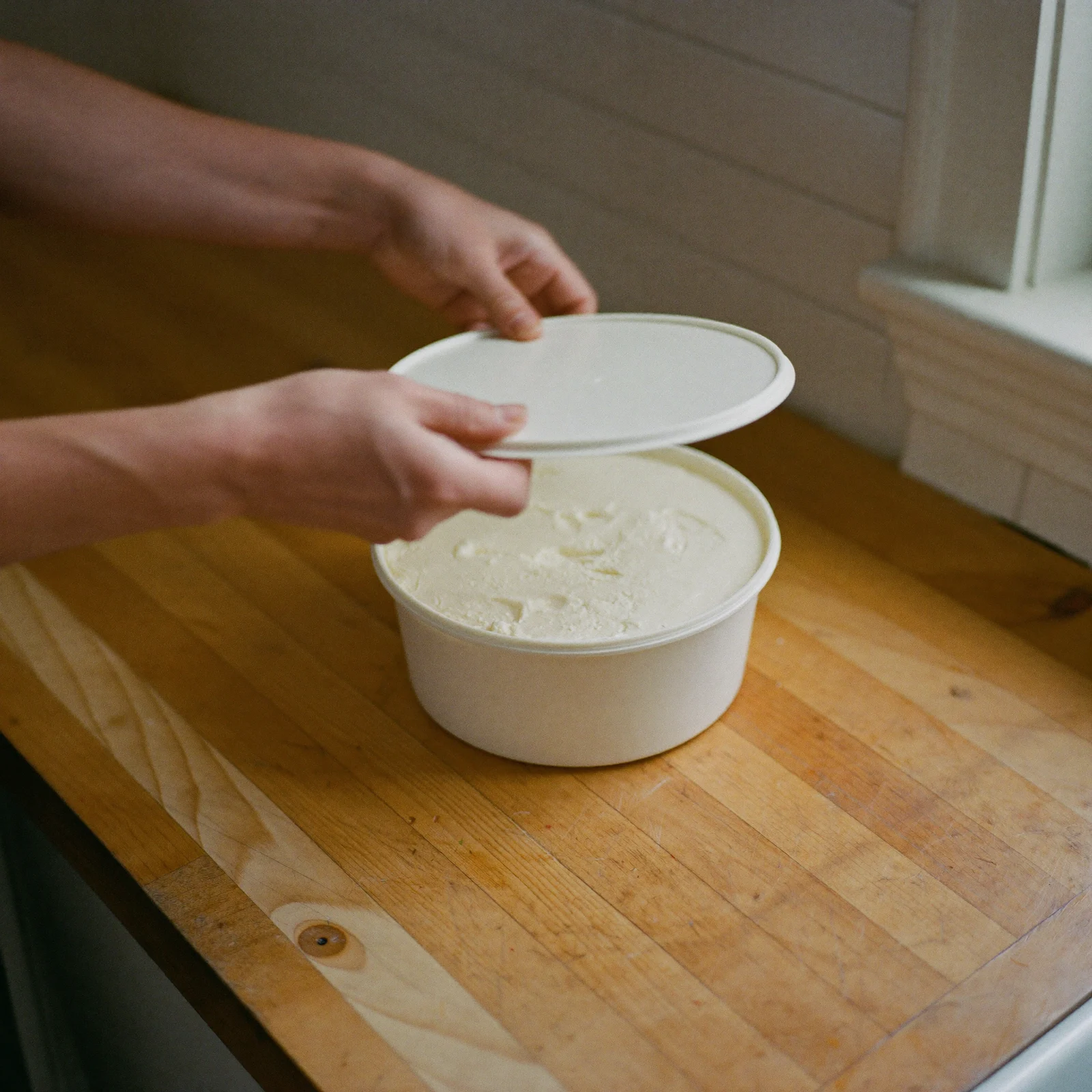
Glass, a lid that seals, and a spoon that is properly dry.
First, check the date on the lid. Then write the day you opened it next to that date, since the 6 to 12 month clock starts from opening rather than from purchase.
Next, check the seal. A lid that clicks shut keeps out air, and NDSU Extension names oxygen as one of the things that drive rancidity. So replace a cracked lid, or move the shortening into a tight container.
Then give it a sniff. Fresh shortening smells of almost nothing. So a can that already smells sharp or stale is past saving, however recent the date.
Finally, think about how much you use. If a large can lasts you more than a year, buy a smaller one, since quality fades once it is open. Nuts and seeds fail the same way, as the roasted pumpkin seeds guide explains.
How to store vegetable shortening
To store vegetable shortening, keep it sealed, cool and dark. Each of those slows the rancidity that ends a can, so a closed cupboard away from the stove does most of the work.
Where should you store shortening?
Shortening belongs in a cool, dark cupboard in a tightly closed container, according to NDSU Extension, which says refrigeration is not needed. NDSU's oil advice adds a reason to keep it away from the stove: light, warm temperatures and oxygen promote rancidity. So a lower cupboard on the cool side of the kitchen suits it best.
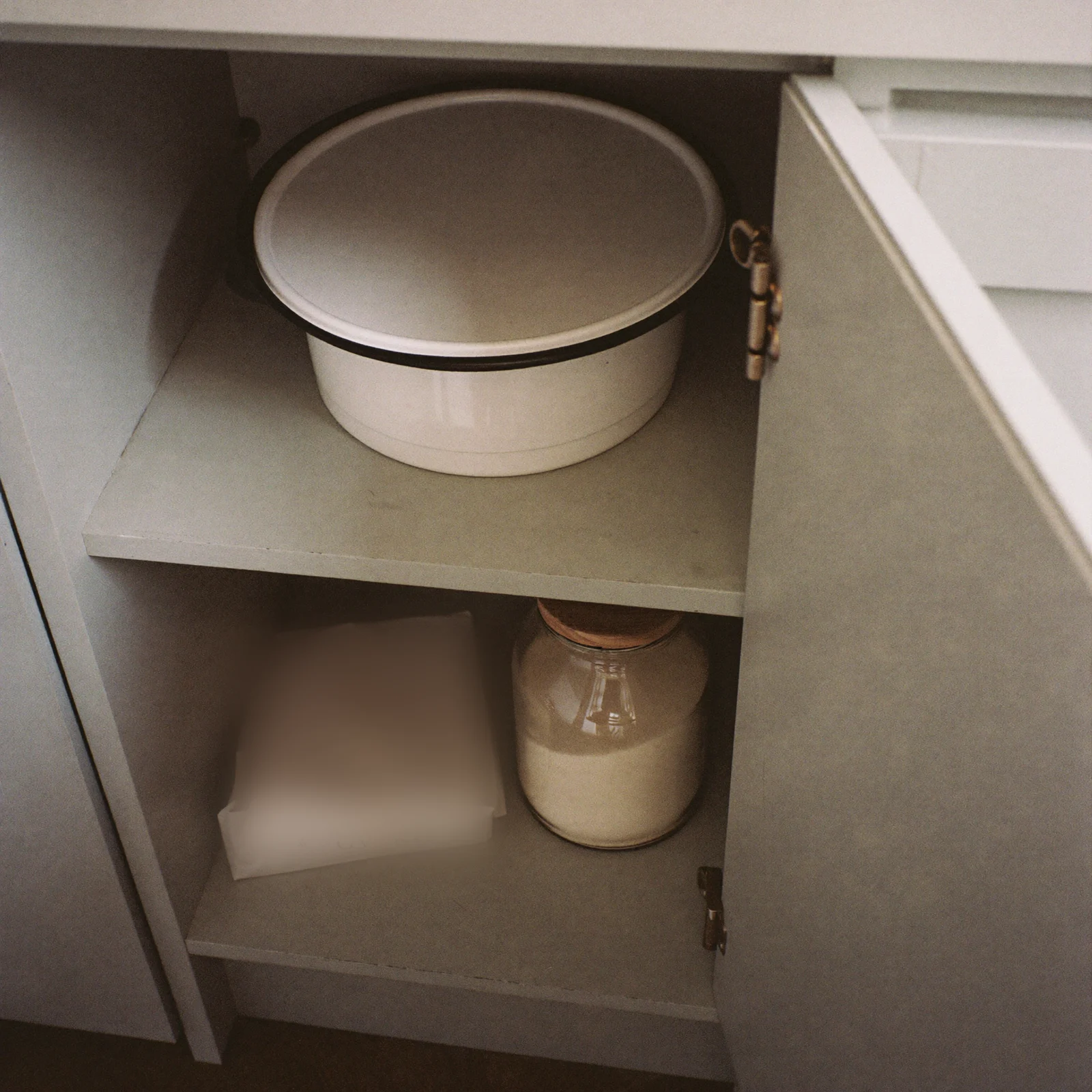
Sealed, cool and dark, and nowhere near the cooker.
How long does opened shortening last?
Opened shortening lasts 6 to 12 months in the pantry, according to the USDA's FoodKeeper data, while Washington State University Extension gives it 3 to 8 months. Ohio State University Extension lists solid shortening at 8 months on the shelf.
So the figures overlap at about 6 to 8 months. Use the shorter end for a warm kitchen or a can that is opened often. In a cool cupboard with a tight lid, it can reach a year.
Should you refrigerate shortening?
Shortening does not need the fridge, according to NDSU Extension and Ohio State University Extension, but NDSU still gives refrigerated opened shortening 6 to 12 months. Cold does slow rancidity, as NDSU notes for oils. So the fridge helps in a hot kitchen, although the shortening turns firm and harder to measure.
How long does unopened shortening last?
Unopened shortening lasts 1 to 2 years, according to the USDA's FoodKeeper data and NDSU Extension, while Washington State University Extension gives it 8 to 12 months. So the date on the lid is a fair guide. Keep the sealed can somewhere cool and dark until you open it.
Does shortening need to be kept away from heat?
Shortening should be kept away from heat, because NDSU Extension says warm temperatures promote rancidity and advises storing fats away from heat sources such as the stove. So the cupboard above the range is the worst spot in the kitchen. Choose a cooler one instead.
Can you freeze shortening?
None of the extension sources we opened gives a freezer time for shortening, and the USDA's FoodKeeper data lists none either. NDSU Extension does give refrigerated opened shortening 6 to 12 months. So the fridge is the documented option if you want longer storage.
Does cold change shortening?
Cold makes shortening firm, but it does not spoil it. NDSU Extension gives refrigerated opened shortening the same 6 to 12 months as the pantry. So if you keep it in the fridge, let it sit at room temperature for a while before measuring it for baking.
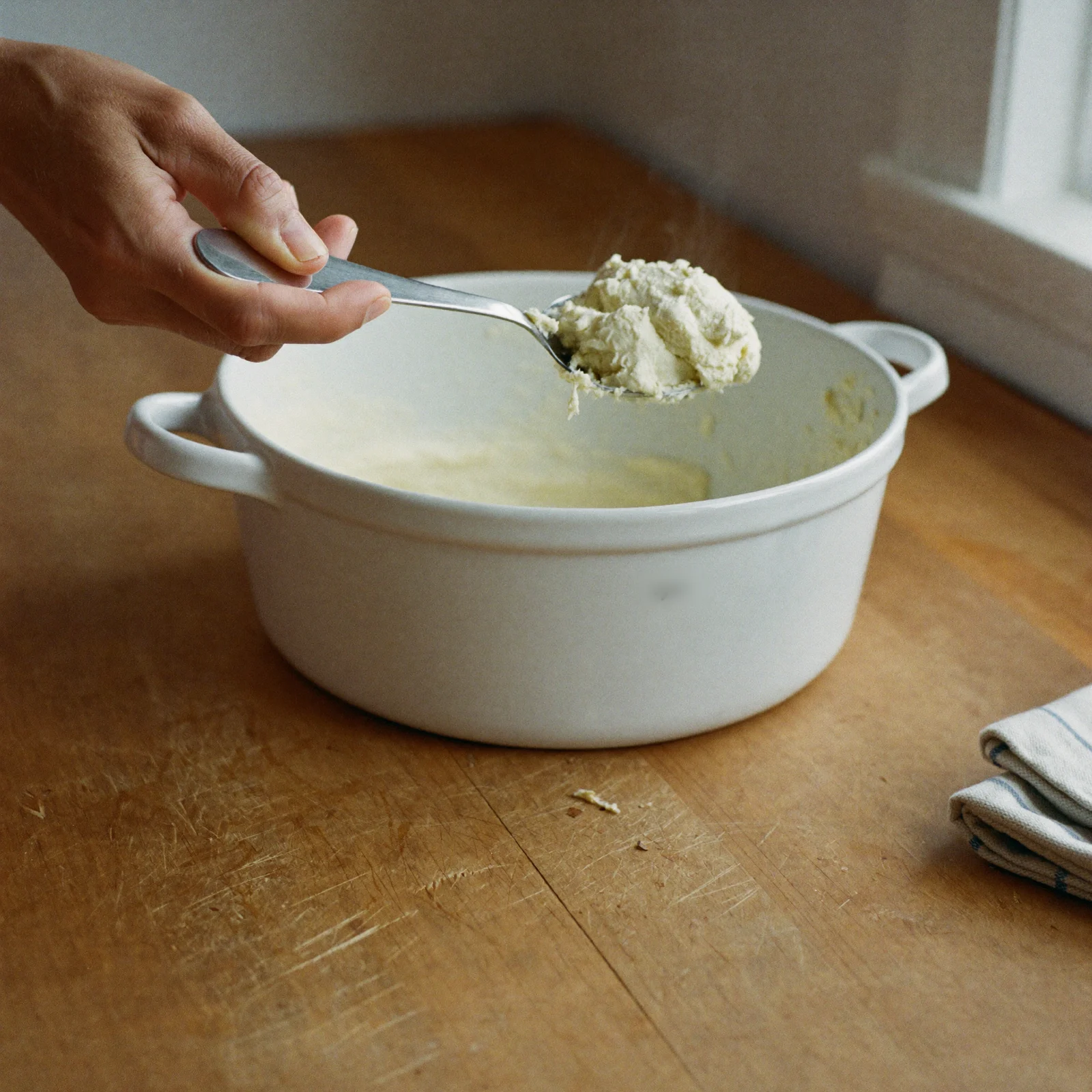
Below 41 degrees it keeps for years, but it barely pours.
How do you keep shortening clean?
Shortening keeps best when only clean, dry spoons go into the can, because crumbs and water are things that can let mold start. Colorado State University Extension notes, for nuts and seeds, that molds come from improper storage. So scoop with a dry spoon, then close the lid straight away.
Can you reuse shortening after frying?
Shortening used for frying goes rancid faster, because NDSU Extension says moisture from the food and added salt can promote rancidity during deep-frying. So keep fried shortening apart from the clean can. Then smell it before each use.
Does Crisco go bad?
Crisco and other vegetable shortenings do go bad, but by turning rancid rather than moldy. Washington State University Extension says shortening stored too long goes rancid and develops a bad taste and odor. So your nose is the main test. Here is what each stage means, then.

Verdict: use it
Fresh shortening
Smooth, bright white and almost odorless, with a soft, even texture. This is shortening inside its 6 to 12 months after opening. So bake with it, and close the lid straight after.
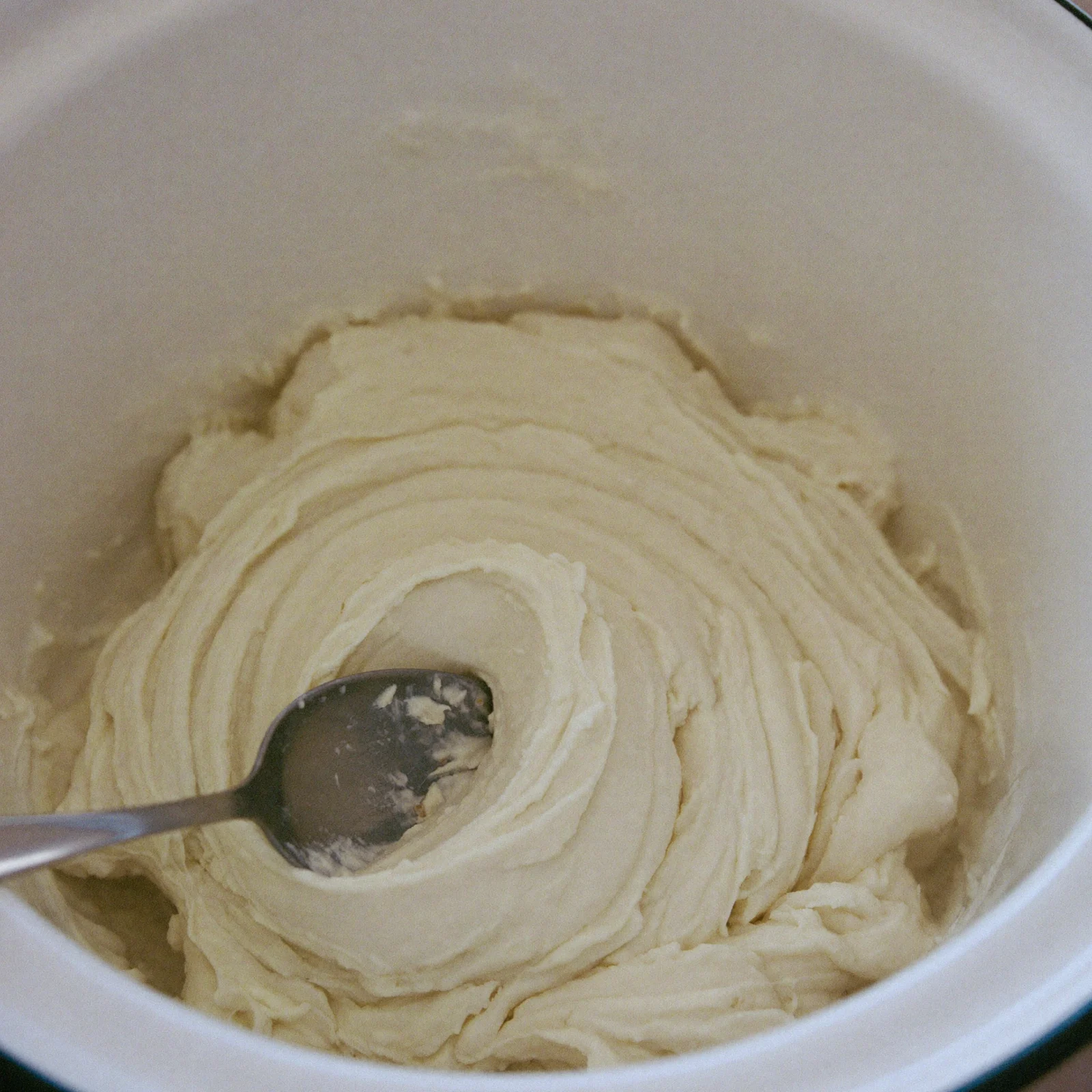
Verdict: smell it, then use it
Shortening past its date
A can a few weeks past the date on the lid that still looks white and smells of nothing. Clemson Cooperative Extension notes that storage does not improve the quality of any food, so the date is about quality. So if it smells clean, it is fine to use.

Verdict: move it somewhere cooler
Soft, greasy shortening
Shortening gone soft and oily at the edges because it sat near the stove or in a warm cupboard. NDSU Extension says warm temperatures promote rancidity. So it is still usable if it smells clean, but move it somewhere cooler now.

Verdict: throw it out
Rancid shortening
A sharp, sour, stale or paint-like smell, and sometimes a yellowish tinge. Colorado State University Extension says fats that turn rancid give food a paint-like smell and bad taste. NDSU adds that rancid fat does not cause foodborne illness, but it will spoil anything you bake. So bin it.

Verdict: throw it out
Shortening with crumbs, water or mold
Dark specks, beads of water, or a fuzzy spot where a wet or dirty spoon went in. The USDA Food Safety and Inspection Service says to discard food covered with mold and not to sniff it. So throw out the whole can.
Is rancid shortening dangerous?
Rancid shortening does not cause foodborne illness, according to NDSU Extension, but it gives baked goods a bad smell and taste. NDSU also notes that some researchers have raised concerns about the long-term health effects of eating rancid fat. So throw it out rather than baking with it.
How long shortening keeps, by type
The clock depends on whether the can is open and where it lives. Here is each case.
Substitute
Works best in
What changes
Unopened can or tub
1 to 2 years
Cool, dark cupboard (USDA FoodKeeper, NDSU).
Opened, in the pantry
6 to 12 months
WSU gives 3 to 8 months; Ohio State gives 8.
Opened, in the fridge
6 to 12 months
Not needed, but it slows rancidity (NDSU).
Used for frying
Shorter
Moisture and salt speed rancidity (NDSU); smell it first.
Mistakes people make when they store shortening
These are the ways people store shortening that cost them the most, and each one is easy to fix.
Keeping it in the cupboard above the stove. NDSU says warmth promotes rancidity, so pick a cooler spot.
Leaving the lid loose. Oxygen drives rancidity too, so close it until it clicks.
Scooping with a wet spoon. Water and crumbs give mold a start, so use a clean, dry one.
Pouring used frying fat back into the can. Keep it separate, since NDSU says frying speeds rancidity.
Trusting the date over your nose. A rancid can smells sharp or like paint, whatever the lid says.
Buying a can far bigger than you need. Opened shortening keeps only 6 to 12 months.
Baking with rancid shortening. NDSU says it is not a food safety risk, but it ruins the flavor of anything you bake.
Sources
FoodKeeper App, Food Safety and Inspection Service, U.S. Department of Agriculture, whose published FoodKeeper data lists solid shortening at 1 to 2 years unopened and 6 to 12 months in the pantry after opening.
Food Storage Guide, NDSU Extension publication FN579, on solid shortening at 1 to 2 years unopened and 6 to 12 months opened and refrigerated, with refrigeration not needed and storage in a cool, dark place in a tightly closed container.
Prairie Fare: Is It Time for an Oil Change in Your Kitchen?, Julie Garden-Robinson, NDSU Extension, April 2017, on rancidity as the natural spoilage of fats, light, warm temperatures and oxygen promoting it, moisture and salt from frying speeding it up, storing fats away from heat sources, and rancid fat not causing foodborne illness.
Pantry Food Storage, Lesley Fisher and Lydia Medeiros, Ohio State University Extension fact sheet HYG-5401, December 2010, on solid shortening at 8 months with refrigeration not needed.
Cleaning Out the Kitchen Cupboard, Efren Vasquez, Washington State University Extension, April 2016, on shortening keeping 3 to 8 months opened and 8 to 12 months unopened, and going rancid with a bad taste and odor when stored too long.
Nuts and Seeds, Food Smart Colorado, Colorado State University Extension, on unsaturated fats turning rancid and giving a paint-like smell and bad taste, and nuts and seeds picking up molds during improper storage.
Safety of Stored Foods, Clemson Cooperative Extension Home & Garden Information Center fact sheet HGIC 3520, revised April 2020, on storage not improving the quality of any food.
Molds on Food: Are They Dangerous?, Food Safety and Inspection Service, U.S. Department of Agriculture, on discarding food covered with mold and not sniffing it.
Storage times and safety advice on this page come from the sources above. Food safety depends on conditions I cannot see, so read the Disclaimer, and if in doubt, throw it out.
Other ingredient guides
Browse all guides


Share this guide
Never miss a guide
New ingredient guides when they go up, plus one storage tip worth knowing. Anything sponsored is labelled.

Emilly White