
6 months
Store-bought, opened, lid tight (USDA FoodKeeper)
About 1 week
Always in the fridge (K-State Research and Extension)
1 year
Sealed, in a cool, dark cupboard (USDA FoodKeeper)
The short version: a sealed jar of store-bought cocktail sauce keeps about 1 year in the pantry, and an opened jar keeps about 6 months in the fridge, according to the USDA's FoodKeeper data. Homemade cocktail sauce keeps only about a week in the fridge. Throw out any jar that bulges, fizzes, smells off or shows mold.
Storage times here come from the USDA's FoodKeeper data, NDSU Extension, Ohio State University Extension and K-State Research and Extension, with spoilage guidance from the University of Georgia and Clemson Cooperative Extension.
On this page
What to check before you store cocktail sauce
Cocktail sauce keeps longest when you know what kind you have, because a store-bought jar and a homemade batch follow very different clocks. So check a few things before the jar goes away.
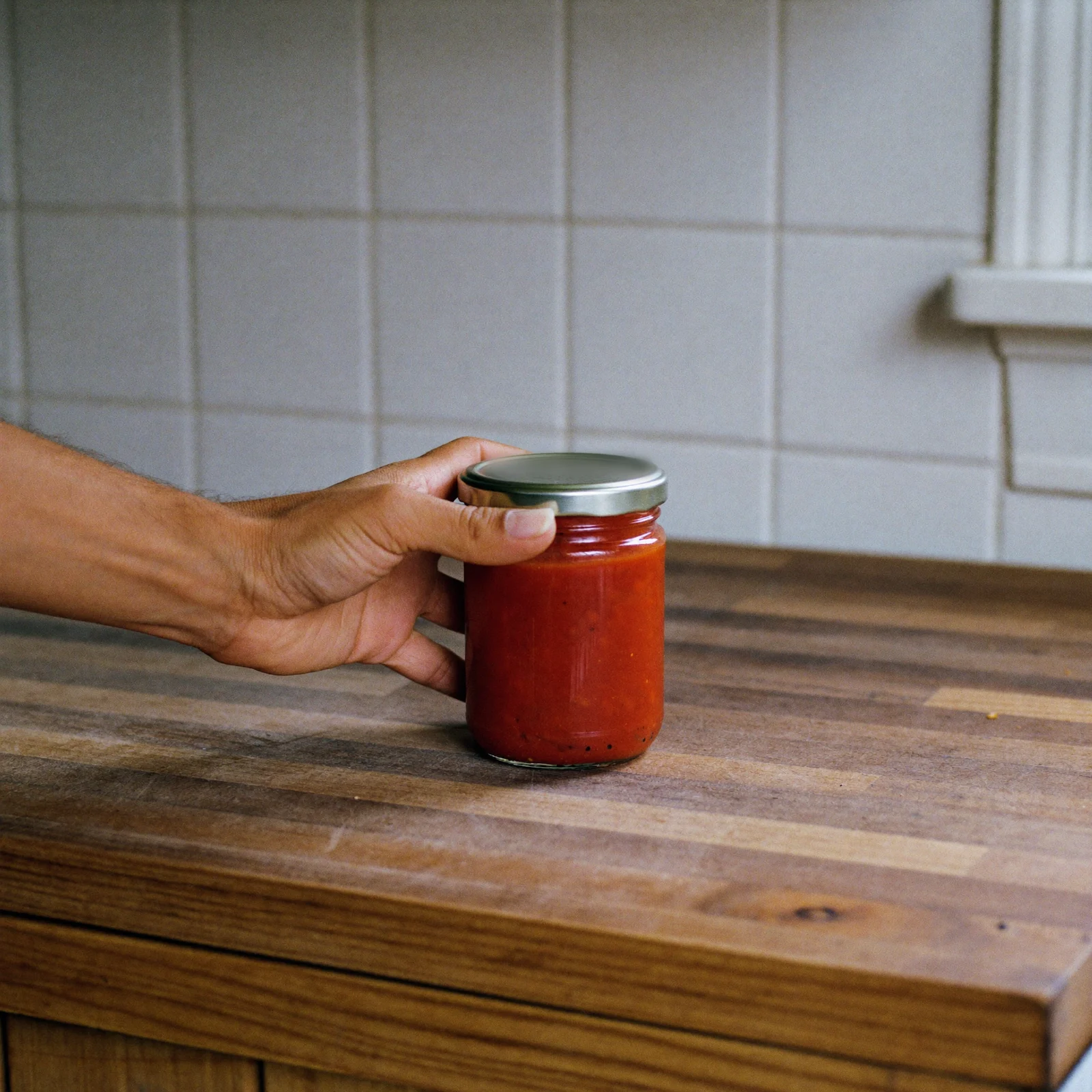
Glass, a lid that seals, and a spoon that is properly dry.
First, check where it was sold. The University of Georgia advises that anything bought from the refrigerated section should stay refrigerated. A shelf-stable jar from the condiment aisle has more leeway.
Next, look at the lid before you open it. Clemson Cooperative Extension says a bulging lid is a sign of spoilage. So a domed lid on a new jar means it goes straight in the bin.
Then write the opening date on the lid. That matters because the 6 month fridge clock starts the day you open it, not the day you bought it.
Finally, if you made the sauce yourself, treat it as a one-week food. Other sharp sauces last longer, as the Worcestershire sauce guide explains, but homemade cocktail sauce does not.
How to store cocktail sauce
To store cocktail sauce, keep an opened jar in the fridge with the lid tight. That is because cold and darkness hold its color and kick for longest, while warmth and light wear them down.
Where should you store opened cocktail sauce?
Opened cocktail sauce belongs in the fridge, where it keeps about 6 months, according to the USDA's FoodKeeper data. In fact, FoodKeeper explains that the reason the label says to refrigerate after opening is quality rather than safety. So the fridge keeps it tasting right for longer.

Sealed, cool and dark, and nowhere near the cooker.
How long does opened cocktail sauce last?
Opened cocktail sauce lasts about 6 months in the fridge, according to the USDA's FoodKeeper data, and NDSU Extension gives ketchup and chili sauce the same 6 months. In the pantry, Ohio State University Extension gives opened ketchup and chili sauce only 1 month.
However, the horseradish may fade sooner than that. FoodKeeper gives an opened jar of horseradish 3 to 4 months in the fridge. So a jar near the end of its 6 months may taste milder than it did at first.
Does cocktail sauce need to be refrigerated?
Shelf-stable store-bought cocktail sauce is safe at room temperature after opening, according to the USDA's FoodKeeper data, although it keeps its quality longer in the fridge. The University of Georgia makes the same point about refrigerate-after-opening labels. Homemade sauce and sauce sold chilled are different, so always keep those cold.
How long does unopened cocktail sauce last?
Unopened store-bought cocktail sauce lasts about 1 year in the pantry, according to the USDA's FoodKeeper data, and NDSU Extension gives unopened ketchup and chili sauce 12 months. So keep sealed jars somewhere cool and dark. Then move each one to the fridge once it is open.
How long does homemade cocktail sauce last?
Homemade cocktail sauce lasts about 1 week in the fridge, because K-State Research and Extension says homemade condiments have a much shorter shelf life and may only last about a week refrigerated. So make small batches. Then keep them in a clean, covered jar.
How to keep cocktail sauce tasting fresh
None of the extension sources we opened gives a freezer time for cocktail sauce, and the USDA's FoodKeeper data lists none either. The fridge already gives an opened jar about 6 months. So the work is in keeping its color and bite for that long.
Why does cocktail sauce turn darker?
Cocktail sauce darkens with time, because the University of Georgia says bright sauces darken and that light and heat speed up oxidation. So keep the jar in the fridge, out of the door if you can. Then put the lid back as soon as you are done.

Below 41 degrees it keeps for years, but it barely pours.
Why does the horseradish lose its kick?
Horseradish heat fades with time, and the University of Georgia notes that fiery flavors fade in condiments given enough time. FoodKeeper also gives an opened jar of horseradish only 3 to 4 months. So an older jar may simply taste mild, which is a quality change rather than spoilage.
Should you scoop from the jar or pour some out?
Pouring some into a small dish keeps the jar cleaner, because food and spoons that go back in carry crumbs into the sauce. K-State Research and Extension says any mold is a clear sign of spoilage. So serve a portion, and leave the rest of the jar in the fridge.
Does cocktail sauce go bad?
Cocktail sauce does go bad, but a store-bought jar usually loses quality long before it spoils. The University of Georgia says bright sauces darken and fiery flavors fade, given enough time. So most of the early changes are about taste, not safety. Here is what each stage means.
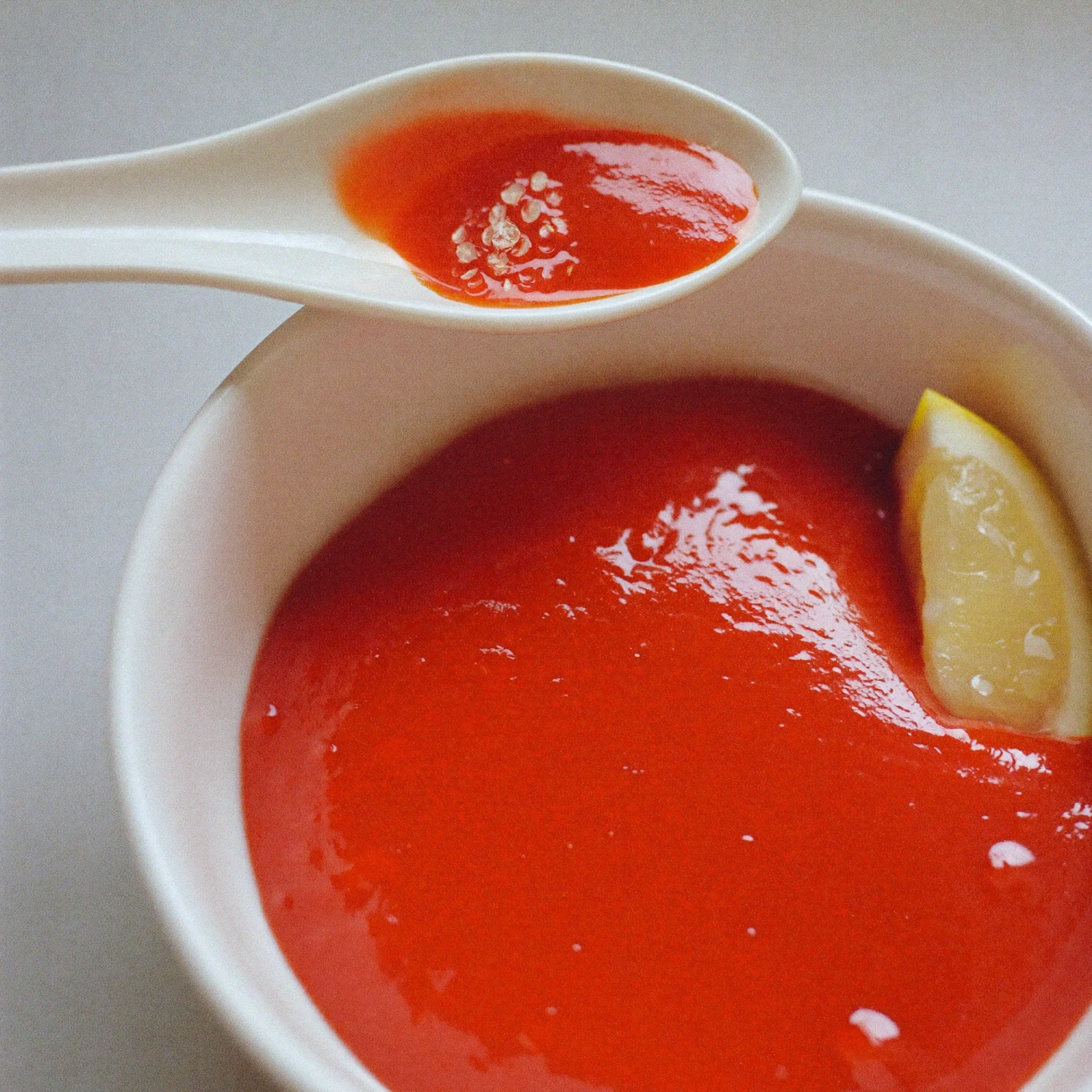
Verdict: use it
Fresh cocktail sauce
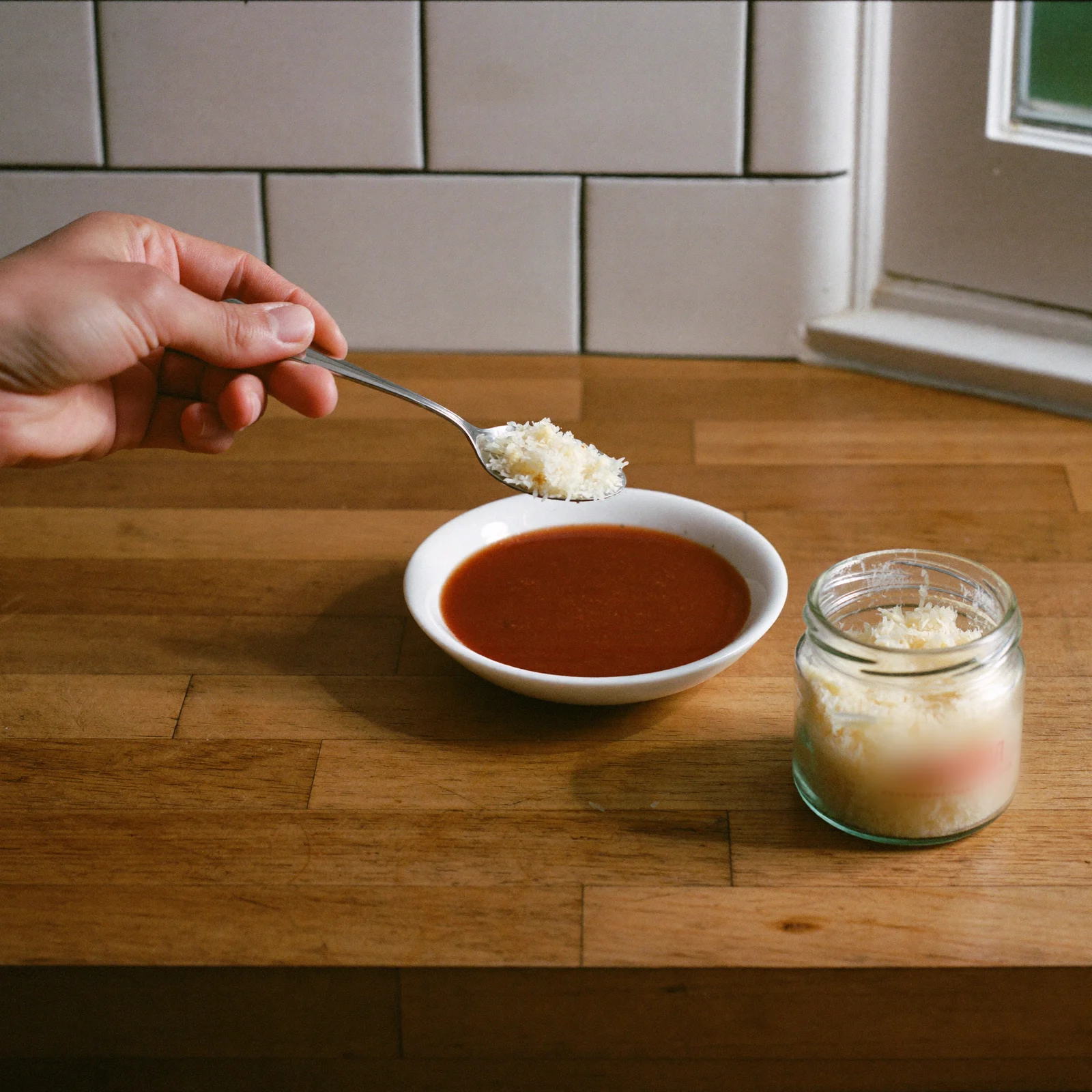
Bright red, thick and glossy, with a sharp horseradish bite and a clean tomato smell. In other words, this is an opened jar well inside its 6 months in the fridge. So serve it, and put the lid back on straight after.
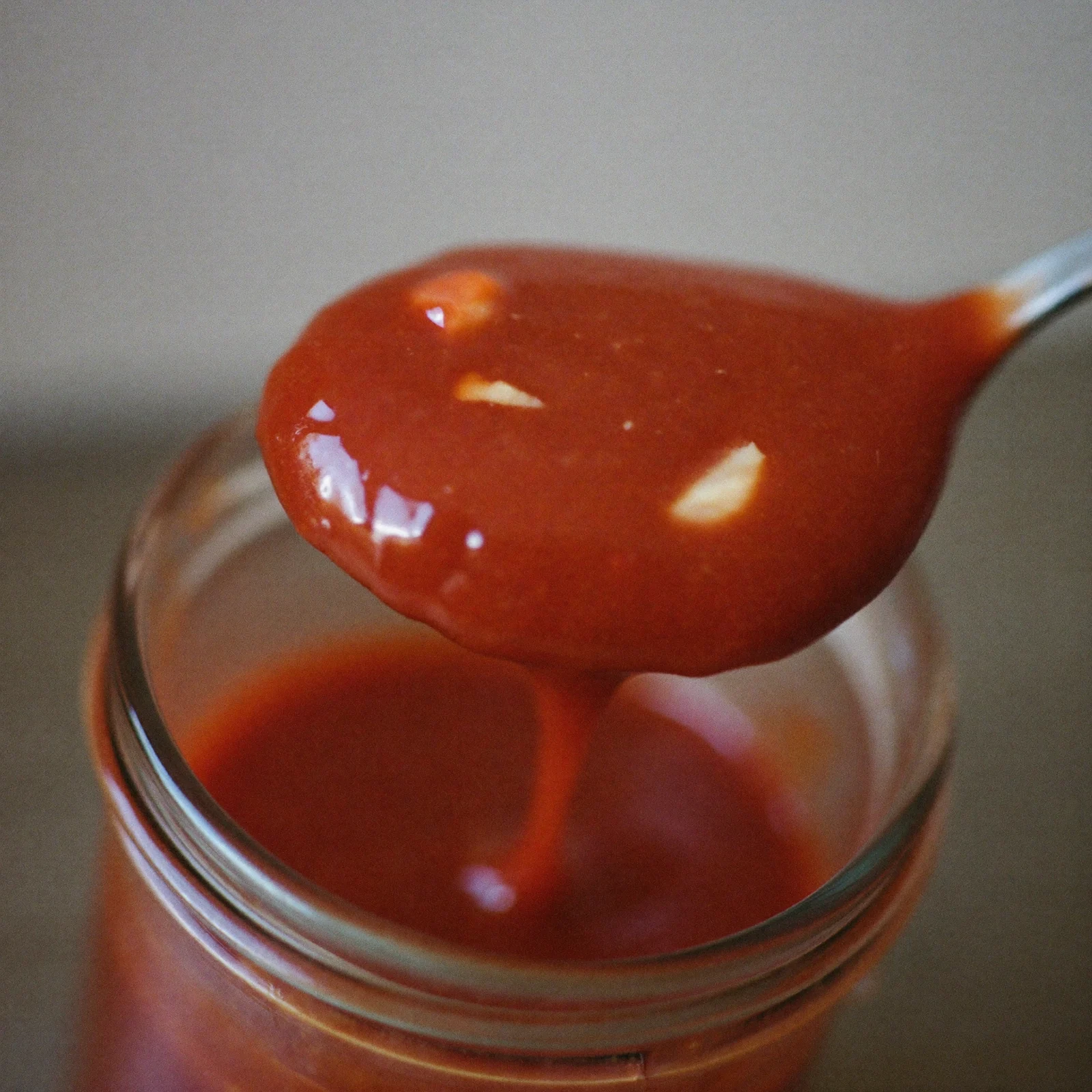
Verdict: smell it, then use it
Darkened cocktail sauce
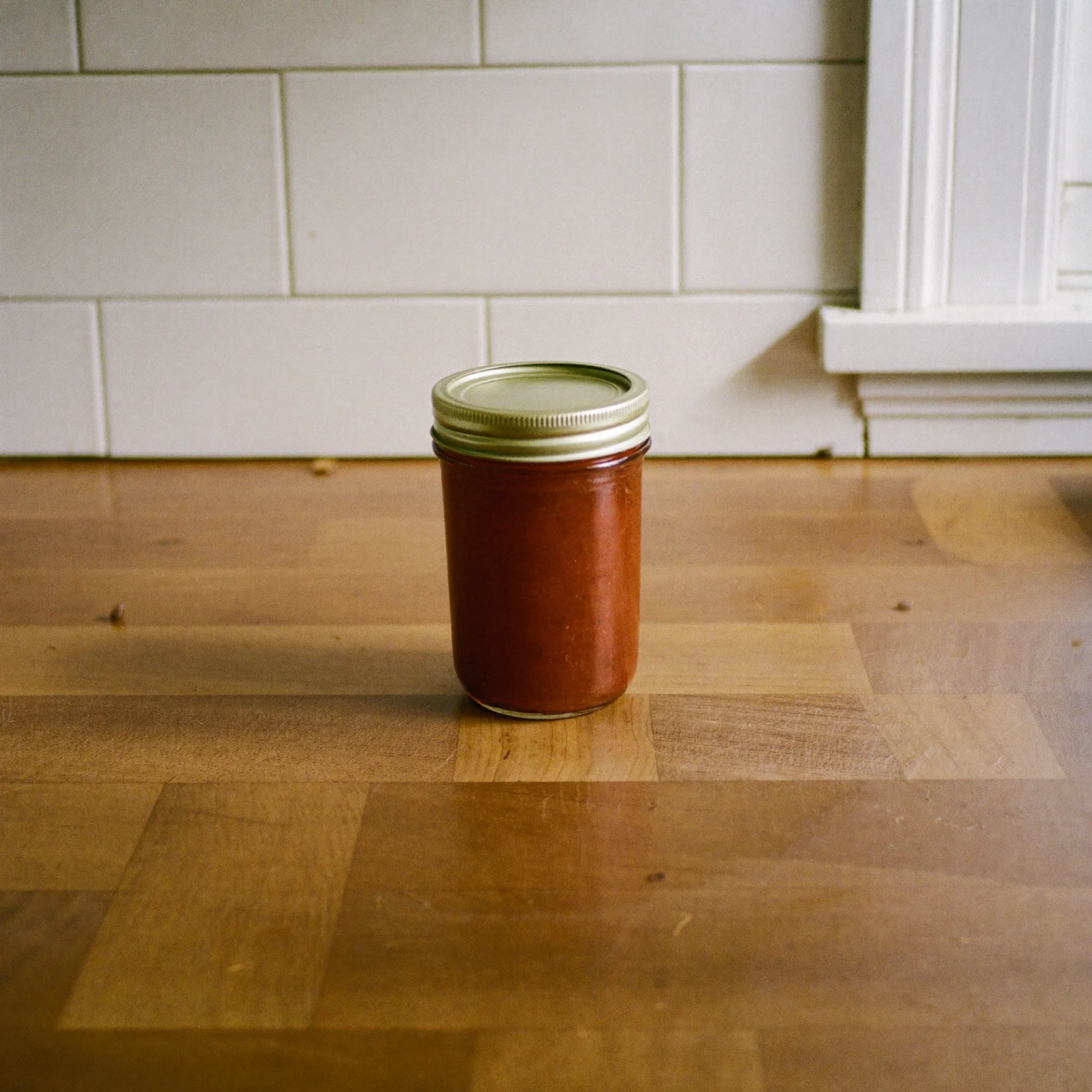
Sauce that has turned a deeper, duller red or brownish red, especially near the top of the jar. After all, the University of Georgia says bright sauces darken over time. So if it smells and tastes normal, it is still fine to use.
Verdict: use it, or replace it
Mild or flat cocktail sauce
Sauce that tastes mostly of sweet tomato, with little of the horseradish heat it had. The University of Georgia notes that fiery flavors fade with time. So it is a quality change rather than spoilage. Stir in a little more horseradish, or buy a fresh jar.
Verdict: throw it out
Bulging or fizzing jar
A domed lid, sauce that spurts or fizzes when you open it, or tiny bubbles rising through it. Clemson Cooperative Extension says a bulging lid is a sign of spoilage, and warns to look for spurting liquid on opening. So do not taste it. Throw out the whole jar.
Verdict: throw it out
Moldy or off-smelling cocktail sauce
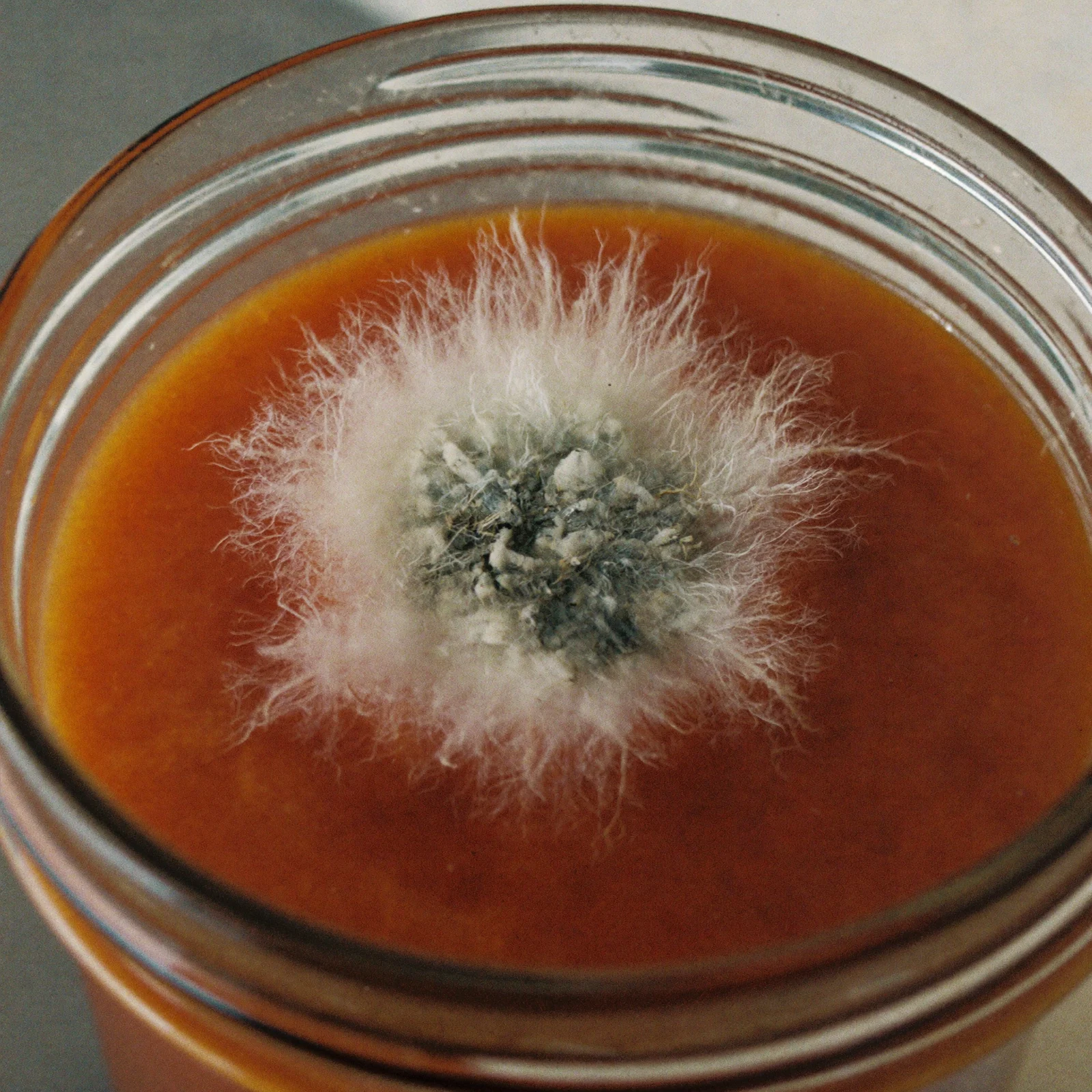
Fuzzy spots on the surface or around the rim, or a sour, yeasty smell when you open the jar. K-State Research and Extension says any mold is a clear sign of spoilage. The USDA Food Safety and Inspection Service also advises against sniffing moldy food. So throw out the whole jar.
Can cocktail sauce sit out overnight?
Shelf-stable store-bought cocktail sauce is safe at room temperature after opening, according to the USDA's FoodKeeper data, so a jar left out overnight is not a safety problem. However, homemade sauce and sauce bought chilled do not share that leeway. So when you are unsure, K-State's advice applies: when in doubt, throw it out.
How long cocktail sauce keeps, by type
The clock depends on whether the sauce is store-bought or homemade, and whether it is open. So here is each case.
Substitute
Works best in
What changes
Unopened jar
1 year
Cool, dark cupboard (USDA FoodKeeper).
Opened, in the fridge
6 months
Quality, not safety, is the reason (USDA FoodKeeper).
Opened, in the pantry
About 1 month
Ohio State's figure for ketchup and chili sauce.
Homemade
About 1 week
Always in the fridge (K-State).
Mistakes people make when they store cocktail sauce
These are the ways people store cocktail sauce that cost them the most, and each one is easy to fix.
Keeping homemade sauce as long as a store-bought jar. In fact, K-State gives homemade condiments about a week.
Leaving a chilled-section jar in the pantry. If it was sold cold, keep it cold.
Storing the open jar by a warm stove. Heat and light speed up darkening, so use the fridge.
Dipping shrimp straight into the jar. Pour a portion into a dish instead.
Tasting a jar with a domed lid. A bulging lid is a sign of spoilage, so throw it out.
Sniffing a moldy jar to check it. FSIS advises against it; just throw it away.
Throwing out a jar only because it tastes mild. After all, faded heat is a quality change, not spoilage.
Sources
FoodKeeper App, Food Safety and Inspection Service, U.S. Department of Agriculture, whose published FoodKeeper data lists ketchup, cocktail and chili sauce at 1 year unopened and 6 months refrigerated after opening, notes that shelf-stable cocktail sauce is safe at room temperature after opening and that refrigeration is for quality, and lists jarred horseradish at 3 to 4 months refrigerated after opening.
Food Storage Guide, NDSU Extension publication FN579, on ketchup and chili sauce at 12 months unopened and 6 months opened, refrigerated for longer storage.
Pantry Food Storage, Lesley Fisher and Lydia Medeiros, Ohio State University Extension fact sheet HYG-5401, December 2010, on opened catsup and chili sauce at 1 month in the pantry, refrigerated for longer storage.
When to Say Goodbye to Your Condiments, Jaylana Miles, K-State Research and Extension Johnson County, April 2025, on homemade condiments lasting about 1 week refrigerated, any mold being a clear sign of spoilage, and when in doubt, throwing it out.
Food safety specialist chimes in on condiment storage, University of Georgia, November 2025, on refrigerate-after-opening labels being more about quality, bright sauces darkening and fiery flavors fading, light and heat speeding oxidation, and keeping refrigerated-section products refrigerated.
Safety of Stored Foods, Clemson Cooperative Extension Home & Garden Information Center fact sheet HGIC 3520, revised April 2020, on a bulging lid being a sign of spoilage and checking for spurting liquid, an off odor or mold on opening.
Molds on Food: Are They Dangerous?, Food Safety and Inspection Service, U.S. Department of Agriculture, on discarding food covered with mold and not sniffing it.
Storage times and safety advice on this page come from the sources above. Food safety depends on conditions I cannot see, so read the Disclaimer, and if in doubt, throw it out.
Other ingredient guides
Browse all guides
Share this guide
Never miss a guide
New ingredient guides when they go up, plus one storage tip worth knowing. Anything sponsored is labelled.

Emilly White