

1 to 4 years
Pure extract, capped tight, 50 to 80°F (McCormick, Texas A&M)
Not needed
Nothing we opened sends extract to the fridge (McCormick, NDSU)
Skip it
Freezing adds moisture to spice containers (NDSU)
The short version: to store lemon extract well, screw the cap down hard. Then keep the bottle in a closed, cool cupboard away from the cooker. A pure extract holds its flavor there for one to four years. Smell it before you bake, since a faded bottle smells of alcohol rather than of lemon.
Storage times here come from McCormick product specifications and Texas A&M AgriLife Extension. The cupboard rules come from NDSU Extension and Clemson Cooperative Extension.
On this page
Which lemon extract do you have?
Two bottles share the name, and McCormick lists 83 percent alcohol in its pure lemon extract. Its imitation version runs 29 percent. That gap matters, because the alcohol is both the solvent and the reason the bottle keeps. So read the ingredients before you decide anything else.
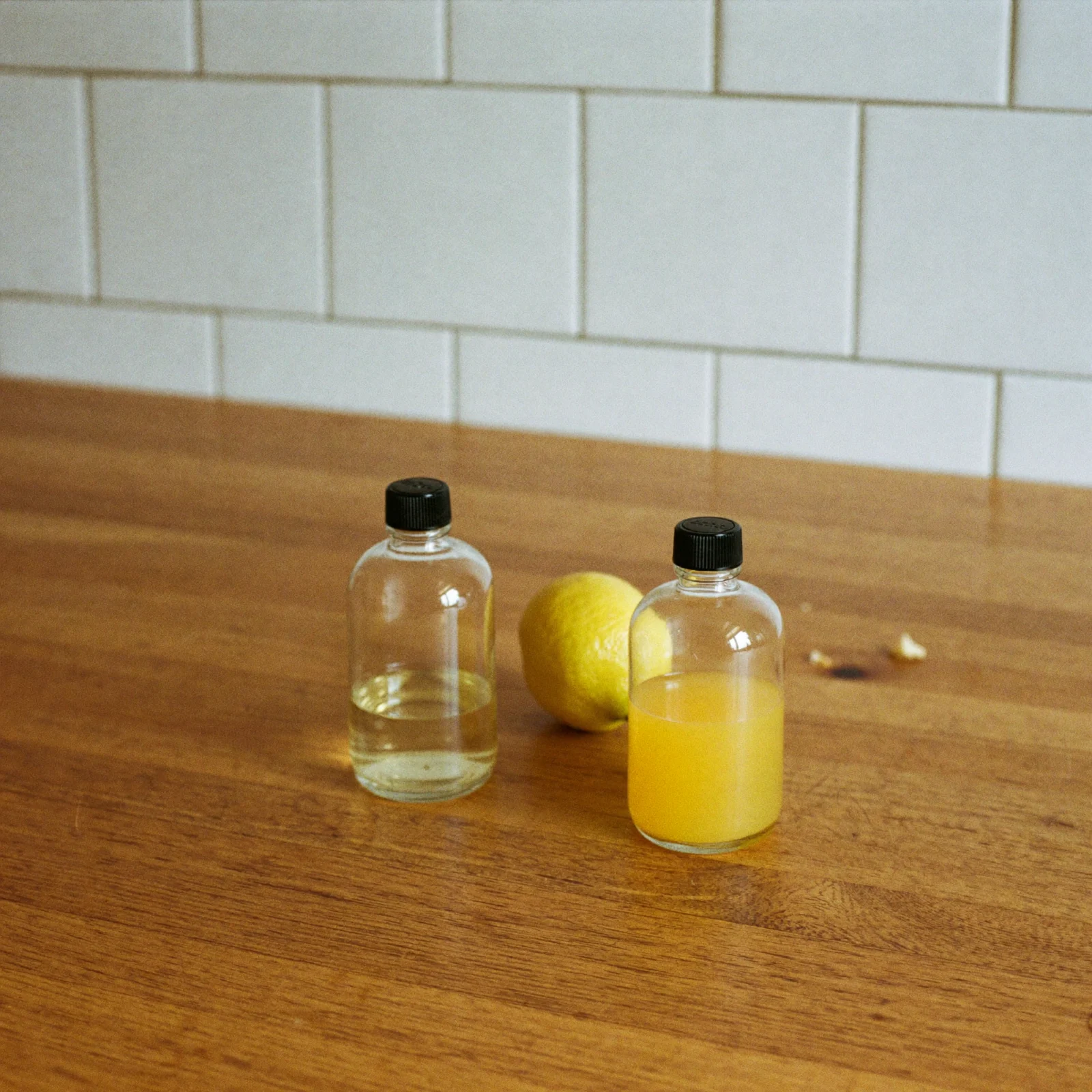
Pure extract is lemon oil in alcohol, while the imitation bottle adds citral and color.
Pure lemon extract is three things and nothing else. McCormick gives its ingredient statement as alcohol at 83 percent, water and oil of lemon. So nothing in the bottle can spoil on its own.
Imitation lemon extract is weaker and busier. McCormick lists its culinary imitation version as water, alcohol at 29 percent, oil of lemon, citral and FD&C Yellow No. 5, which puts water first rather than alcohol.
A product called a flavor may hold no alcohol at all. McCormick culinary imitation vanilla flavor, for example, is water with caramel color, vanillin, ethyl vanillin and 0.1 percent potassium sorbate. That sorbate is a preservative, which an alcohol-heavy extract does not need. Its sell sheet gives it 720 days, against 1,440 for the pure lemon extract.
A date you wrote yourself beats the one on the label. Texas A&M AgriLife Extension asks you to write the purchase date on the bottle. It also keeps flavorings in their original containers. An extract fades quietly, after all, rather than announcing itself.
How to store lemon extract so it lasts
To store lemon extract so it lasts, tighten the cap and keep the bottle cool and dark. Alcohol carries the lemon flavor, so a loose cap costs you both at once. Heat and light then work on whatever oil is left.
How long does lemon extract last?
Pure lemon extract keeps 1,440 days, or close to four years, according to the McCormick product specification. That figure assumes a bottle stored tightly closed when not in use. Texas A&M AgriLife Extension is far shorter, because it gives most flavoring extracts 6 months to 1 year. It treats pure vanilla as the one exception. Neither number is wrong, since they measure different things. One is a manufacturer figure for a sealed product under controlled storage. The other is general advice for a bottle in daily use. So treat a year as the point to start smelling before you measure. Four years is the outer edge, and only for a bottle kept cool, dark and tightly shut.
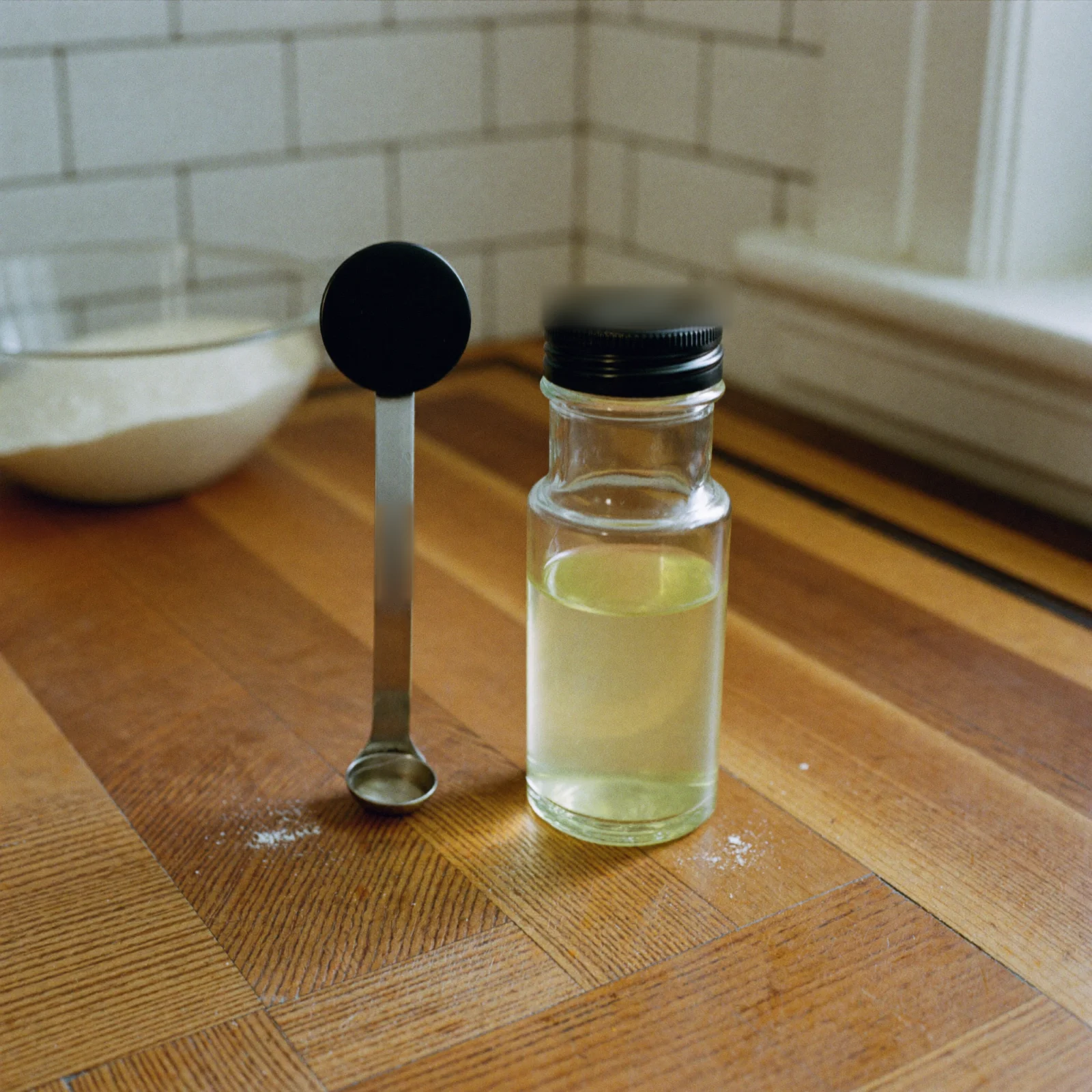
Capped hard and kept in the dark, because an open cap costs you the alcohol that carries the flavor.
Does lemon extract go bad?
Lemon extract does not go bad so much as it goes quiet, because McCormick's pure version is 83 percent alcohol. That leaves nothing for bacteria or mold to live on. Texas A&M AgriLife Extension puts the real loss plainly, since it says flavoring extracts can evaporate over time. McCormick ties its own shelf life to the same thing. Its handling note asks for a cool, dry place to prevent evaporation of the alcohol. In other words, the bottle empties and dulls rather than turning dangerous.
There is one exception worth checking. Clemson Cooperative Extension names the signs that disqualify any stored container. Those are a bulging lid, a leak, spurting liquid, an off odor or mold. None of that is normal in an extract bottle. So if you find it, the bottle goes out rather than into the mixing bowl.
Should you refrigerate lemon extract?
No: the McCormick specification gives lemon extract 50 to 80°F, which describes a cupboard rather than a fridge. NDSU Extension pushes the same way for the shelf next door. It tells you not to freeze spices, since that can introduce moisture into the containers. Moisture is the one thing an alcohol-and-oil bottle does not want. So leave the extract with the allspice and the rest of the pantry flavorings.
Where should you keep lemon extract in the kitchen?
Keep lemon extract in a closed cupboard, away from the cooker and the dishwasher that NDSU Extension warns about. Heat and moisture cut potency, as that column explains. McCormick asks for more than shade, too. It says to avoid heat, humidity, direct sunlight and fluorescent light, so that flavor and color hold. Clemson Cooperative Extension supplies the number, since it puts stored foods at 50 to 70°F. Above 75°F, storage time decreases significantly. A cupboard on the far side of the kitchen covers all of it.
Can you keep lemon extract in the bottle it came in?
Yes, and the bottle lemon extract came in is the one Texas A&M AgriLife Extension prefers. It keeps flavorings in their original containers, or in something else airtight. That bottle also came with the cap built for it. So do not decant extract into a clear jar on a lit shelf. McCormick singles out direct sunlight and fluorescent light, after all. Then write the date you opened it on the label.
Can you freeze lemon extract?
There is no reason to freeze lemon extract, and NDSU Extension pushes the other way. It says not to freeze spices, since that can introduce moisture into the containers. Moisture is what a bottle of 83 percent alcohol is protected from in the first place. Nothing else we opened freezes extracts either. So the freezer earns nothing here, while the cupboard does the whole job.
Where should lemon extract go instead?
A closed cupboard at 50 to 70°F is where lemon extract belongs, which is the Clemson range for stored food. McCormick is wider at 50 to 80°F. Even so, the same sheet asks you to avoid heat and humidity, so the cooler end is the safer read. Position matters more than height. NDSU Extension marks the shelves beside the oven and the dishwasher as the ones that cost you time. Then stand the bottle upright with the cap screwed down. McCormick ties its 1,440 days to a bottle stored tightly closed when not in use.
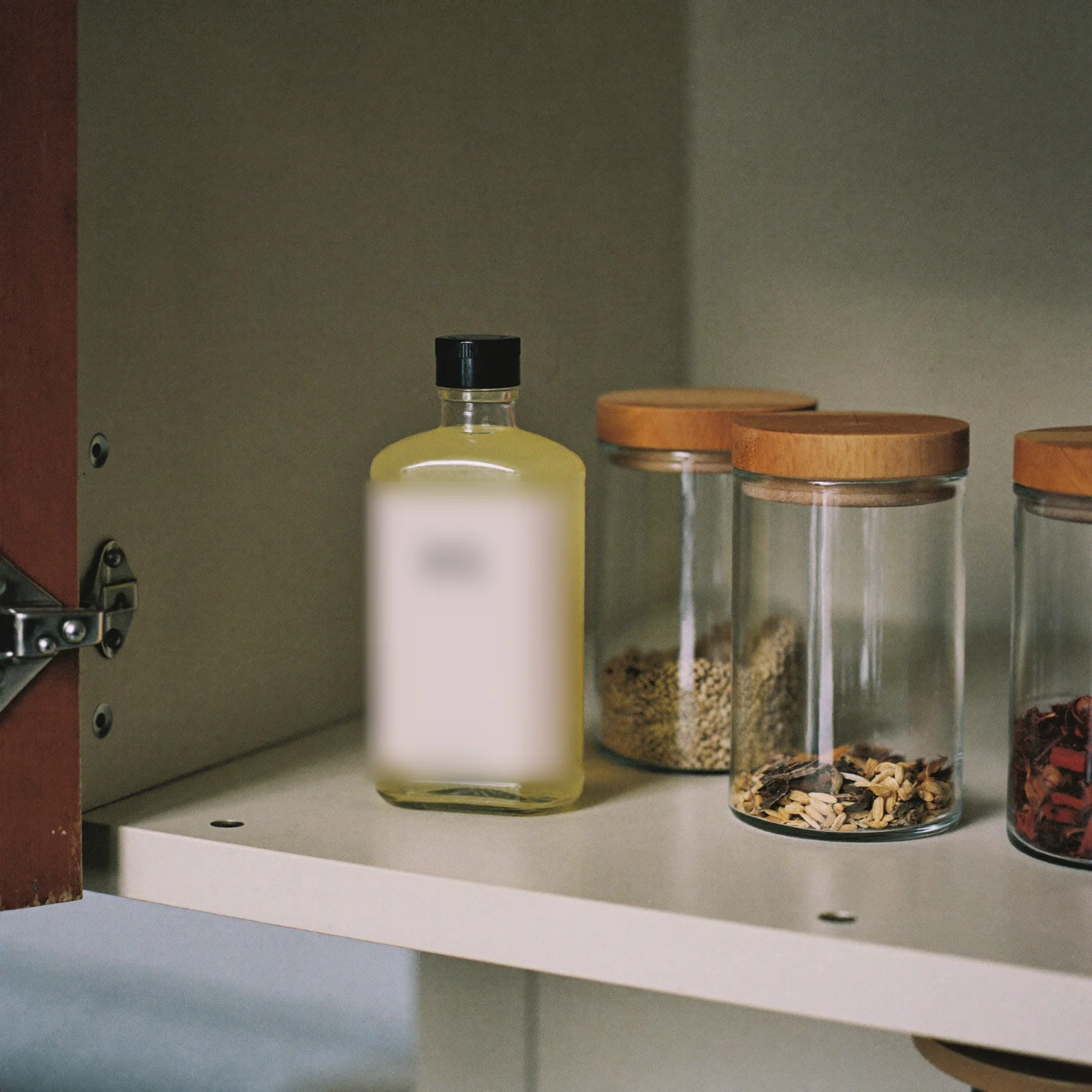
A closed cupboard away from the cooker, because heat and light are what fade it.
Does lemon extract evaporate?
Yes, lemon extract evaporates, and Texas A&M AgriLife Extension says so directly. It notes that flavoring extracts can evaporate over time. McCormick writes its handling note for the same reason, since it asks for a cool, dry place to prevent evaporation. You can watch it happen, too, because the level drops in a bottle nobody has poured from. So check the cap after every use rather than once a year.
What happens to the flavor of lemon extract over time?
Lemon extract loses flavor and color together, which is why McCormick names both. It asks you to avoid heat, humidity, direct sunlight and fluorescent light. Its pure extract starts out slightly transparent yellow, so a darker bottle has had a harder life. Texas A&M AgriLife Extension gives the home check. It asks whether a flavoring still has bright color and a strong fragrance. Nothing we opened describes the exact smell of a spent extract, though. So compare a doubtful bottle against a new one instead of guessing.
How to tell if lemon extract has gone bad
Lemon extract fails by fading rather than by rotting. There is too much alcohol in the bottle for anything to grow. The stages below run from a full, sharp bottle to one that leaks or smells wrong. Only the last is a throw-it-out, and Clemson Cooperative Extension supplies that line. It treats a leaking, bulging or off-smelling container as spoiled, whatever is inside.
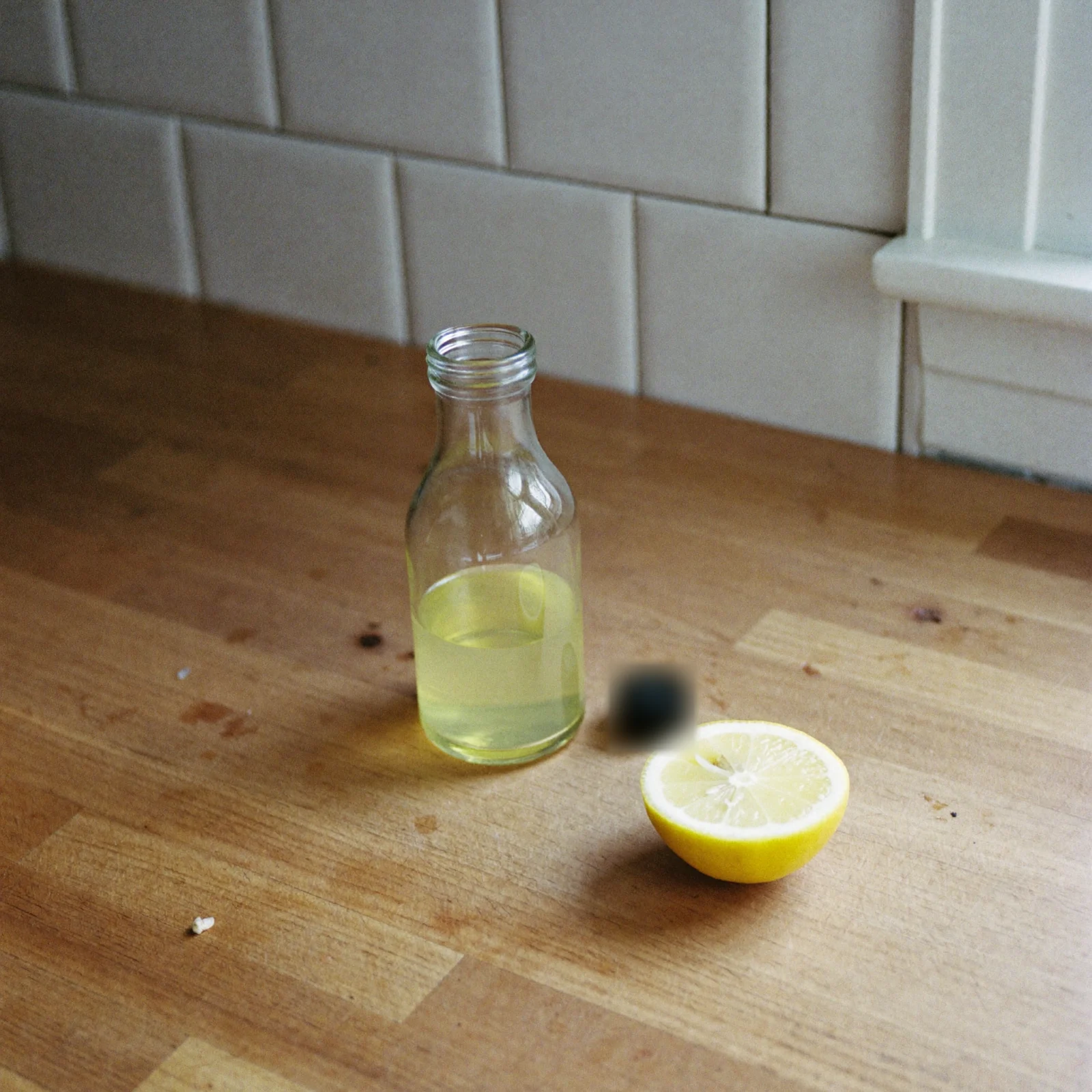
Verdict: use it
Fresh lemon extract
A slightly transparent yellow liquid that smells of lemon the moment the cap comes off. McCormick describes its pure extract in those words, so this is a bottle doing its job. Measure it and move on.
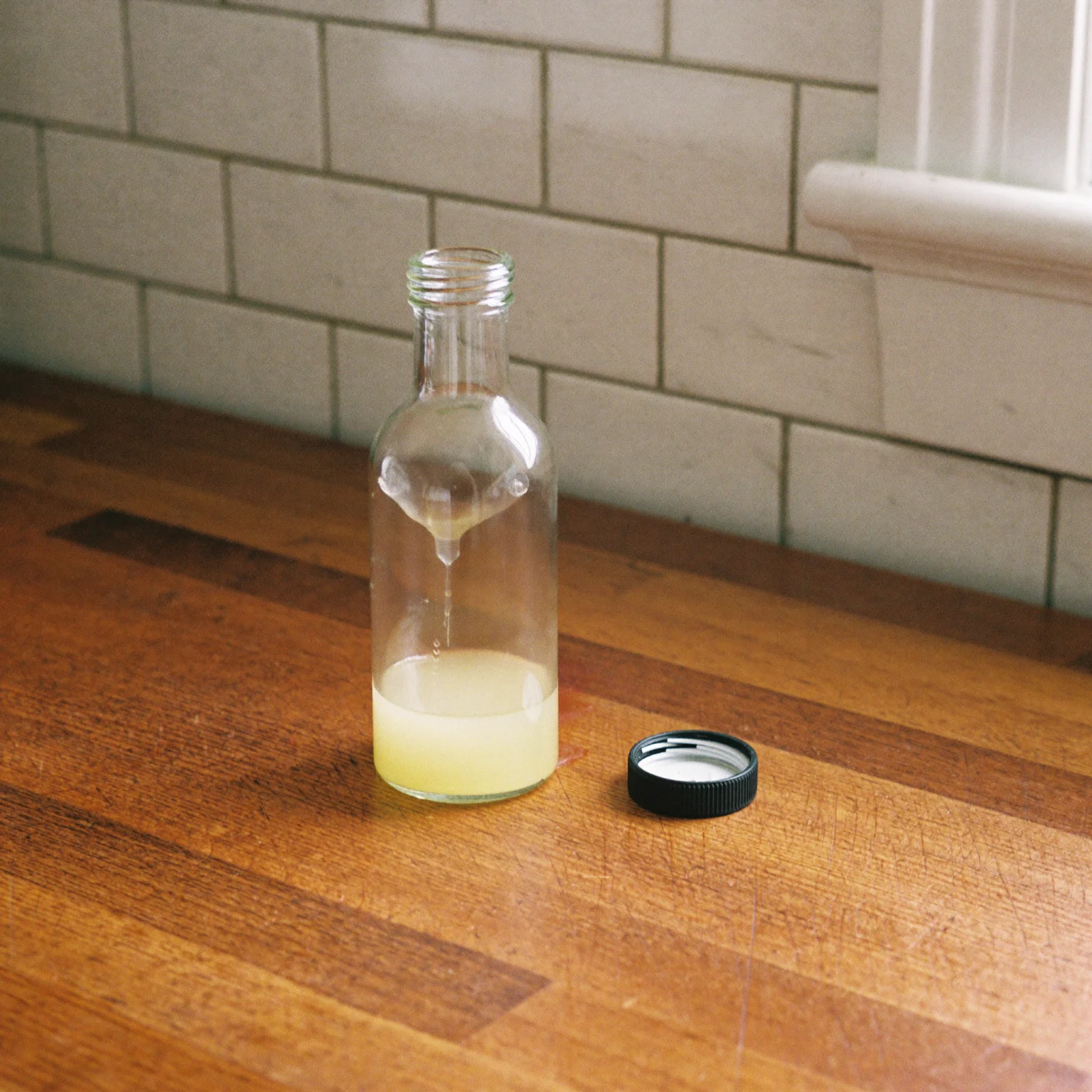
Verdict: use it
Low lemon extract
The level has dropped although nobody has baked with it. That is evaporation, which Texas A&M AgriLife Extension lists among the things that happen to flavoring extracts. The McCormick cool, dry place exists to prevent exactly that. So the extract is fine, but the cap is not. The rest of the bottle is now on a shorter clock.
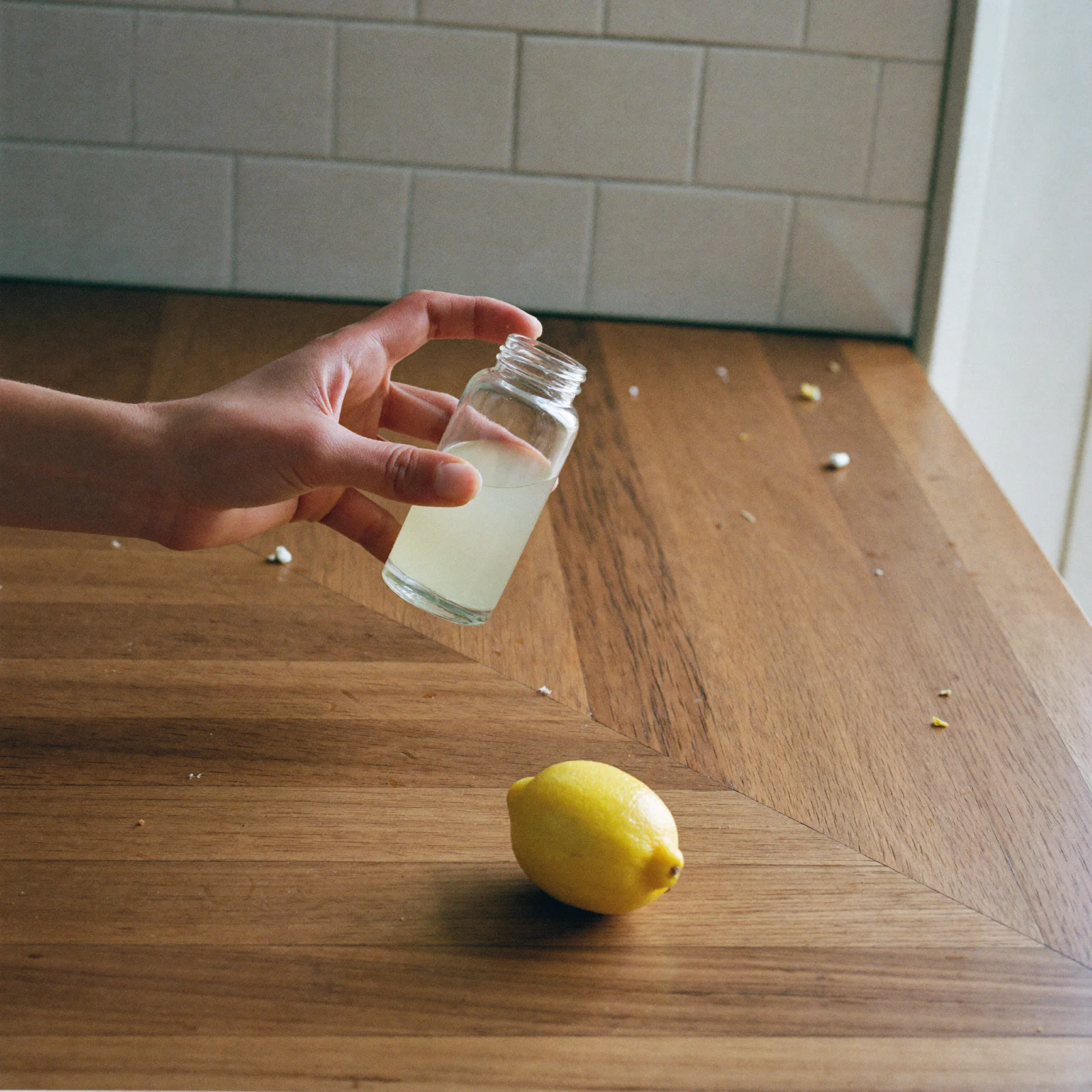
Verdict: use it up
Faded lemon extract
It opens smelling more of alcohol than of lemon. The Texas A&M AgriLife Extension check is a strong fragrance, and this bottle no longer passes. Nothing here is unsafe, though. So put it into something where lemon is not the only flavor. Then buy a fresh bottle for the icing.
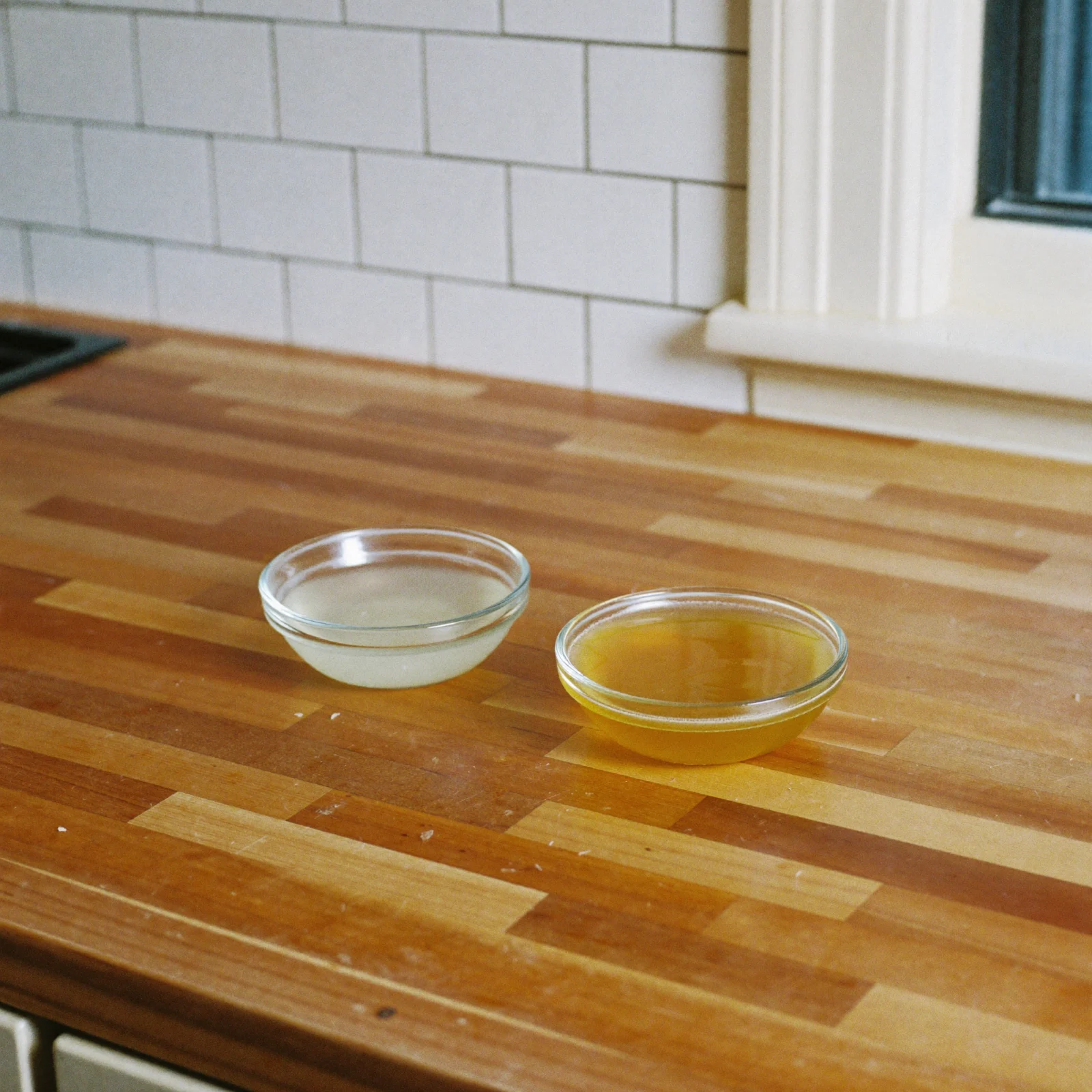
Verdict: bake with it
Darkened lemon extract
A deeper yellow than the day you bought it, or a cloudiness that was not there before. Color is the second thing McCormick asks you to protect. Its warning covers heat, humidity, direct sunlight and fluorescent light, so a darker bottle has been warm or lit. No source we opened calls a darkened extract unsafe. Even so, its flavor went through the same conditions. So use it in baking rather than in a glaze you taste straight.
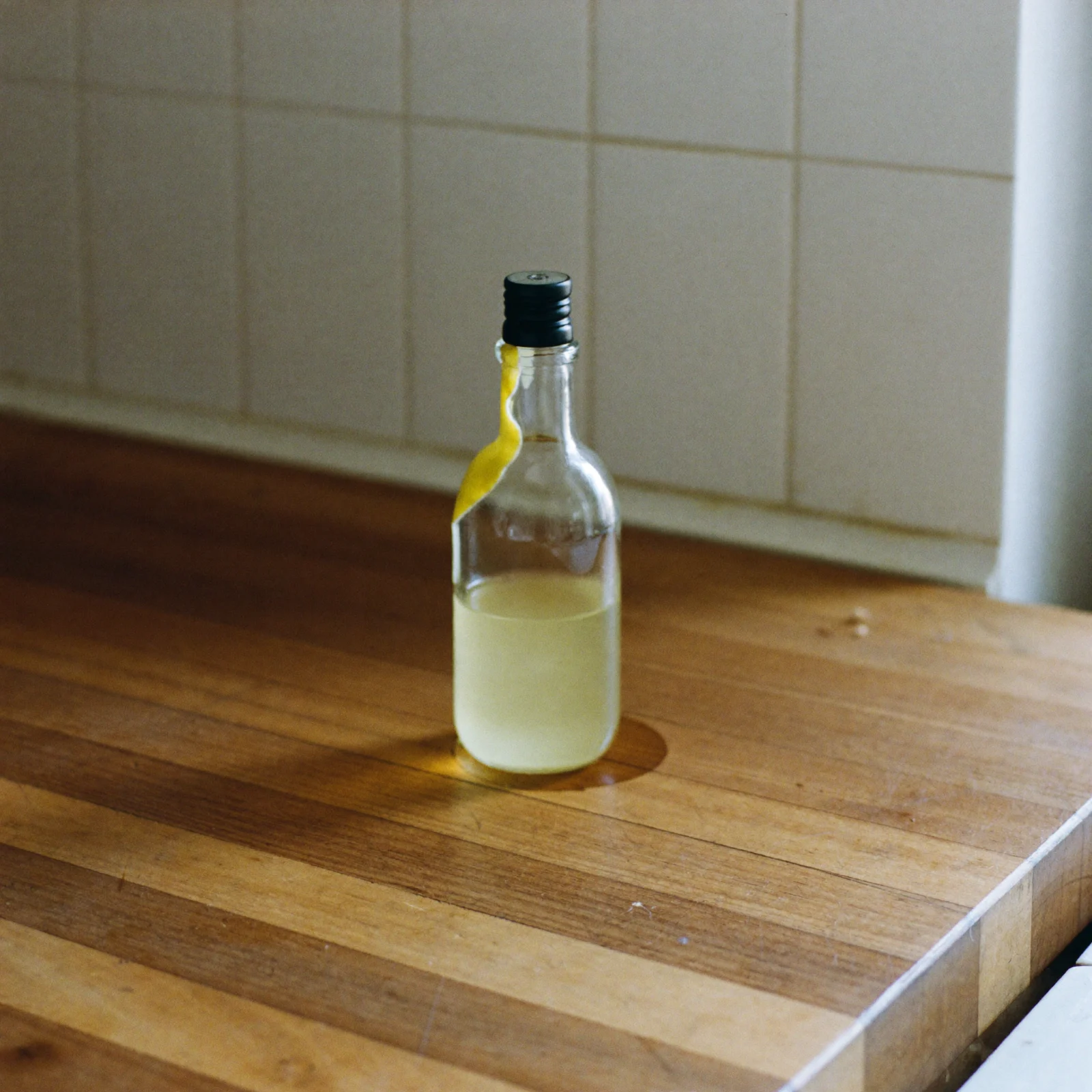
Verdict: throw it out
Leaking or off-smelling lemon extract
A sticky bottle, a lid that will not sit flat, or a smell that is neither lemon nor alcohol. Clemson Cooperative Extension treats a bulging lid, a leak, spurting liquid, an off odor or mold as spoilage. That rule does not care what the container holds. So pour it away, then check what else on the shelf got sticky.
Does lemon extract expire after a year?
Lemon extract has no single expiry answer, because Texas A&M AgriLife Extension and McCormick disagree. Texas A&M gives most flavoring extracts 6 months to 1 year. McCormick gives its own culinary pure lemon extract 1,440 days. One is general advice for an opened kitchen bottle. The other is a manufacturer figure for a sealed product in a cool, dry place. Pure vanilla sits further out again, since NDSU Extension passes on the claim of an infinite shelf life. For lemon extract, then, treat one year as the point to start checking the smell. Four years is the limit for a bottle that was kept properly.
Lemon extract substitutes
Out of lemon extract, or did the last bottle fade? Then one of these will stand in.
Substitute
Works best in
What changes
Pure orange extract
Icings and pound cake
Built the same way, from alcohol, water and oil of orange, with the same 1,440 days.
Imitation lemon extract
Large batches
Weaker in alcohol at 29 percent, with citral and FD&C Yellow No. 5 added.
Mistakes people make when they store lemon extract
These are the ways people lose a bottle of lemon extract, and each one has a quick fix.
Leaving the cap loose. Alcohol evaporates, as the McCormick handling note warns, so screw it down after every drop.
Keeping it on the shelf above the cooker. NDSU Extension gives those spices a shorter shelf life, so move it across the kitchen.
Standing it on a lit shelf. McCormick asks you to avoid direct sunlight and fluorescent light, so a closed cupboard beats a pretty rack.
Refrigerating or freezing it. NDSU Extension warns that freezing introduces moisture into containers, while the McCormick range is 50 to 80°F.
Decanting it into a clear jar. Texas A&M AgriLife Extension keeps flavorings in their original containers, since that bottle came with the right cap.
Trusting the date instead of your nose. Texas A&M checks color and fragrance, because an extract fades long before anything else changes.
Adding it straight to hot oil. McCormick cautions that extracts contain alcohol, so take care near very hot liquids or an open flame.
Sources
Spices, Do they Expire?, Dinner Tonight, Texas A&M AgriLife Extension, September 2019, on most flavoring extracts lasting 6 months to 1 year, pure vanilla being the exception, extracts evaporating over time, keeping flavorings in their original containers in a dark, cool place, writing the purchase date on the bottle, and checking color and fragrance.
Prairie Fare: Don't Forget Your Spices, Julie Garden-Robinson, NDSU Extension, May 2013, on vanilla extract having an infinite shelf life, a cool and dry cupboard, heat and moisture cutting potency, shelves close to the oven or dishwasher, and not freezing spices because that can introduce moisture into the containers.
Safety of Stored Foods, Pamela Schmutz and E. H. Hoyle, Clemson Cooperative Extension factsheet HGIC 3520, revised April 2020, on storing food at 50 to 70°F, storage time decreasing significantly above 75°F, and discarding a container that bulges, leaks, spurts liquid, smells off or shows mold.
McCormick Culinary Pure Lemon Extract, McCormick & Company, on an ingredient statement of alcohol at 83 percent, water and oil of lemon.
Pure Lemon Extract product specification, McCormick & Company sell sheet, 2024, on a shelf life of 1,440 days stored tightly closed when not in use in a cool, dry place to prevent evaporation of the alcohol, a storage range of 50 to 80°F, avoiding heat, humidity, direct sunlight and fluorescent light to maintain flavor and color, the slightly transparent yellow color, and the caution about adding extracts to very hot liquids or near an open flame.
Imitation Lemon Extract, McCormick Culinary, McCormick & Company, on an ingredient statement of water, alcohol at 29 percent, oil of lemon, citral and FD&C Yellow No. 5.
Imitation Vanilla Flavor product specification, McCormick & Company sell sheet, on a shelf life of 720 days and a water-based ingredient statement with caramel color, vanillin, ethyl vanillin and 0.1 percent potassium sorbate added as a preservative.
Pure Orange Extract product specification, McCormick & Company sell sheet, on a shelf life of 1,440 days and an ingredient statement of alcohol, water and oil of orange.
Storage times and safety advice on this page come from the sources above. Food safety depends on conditions I cannot see, so read the Disclaimer, and if in doubt, throw it out.
Other ingredient guides
Browse all guides
Share this guide
Never miss a guide
New ingredient guides when they go up, plus one storage tip worth knowing. Anything sponsored is labelled.

Emilly White