
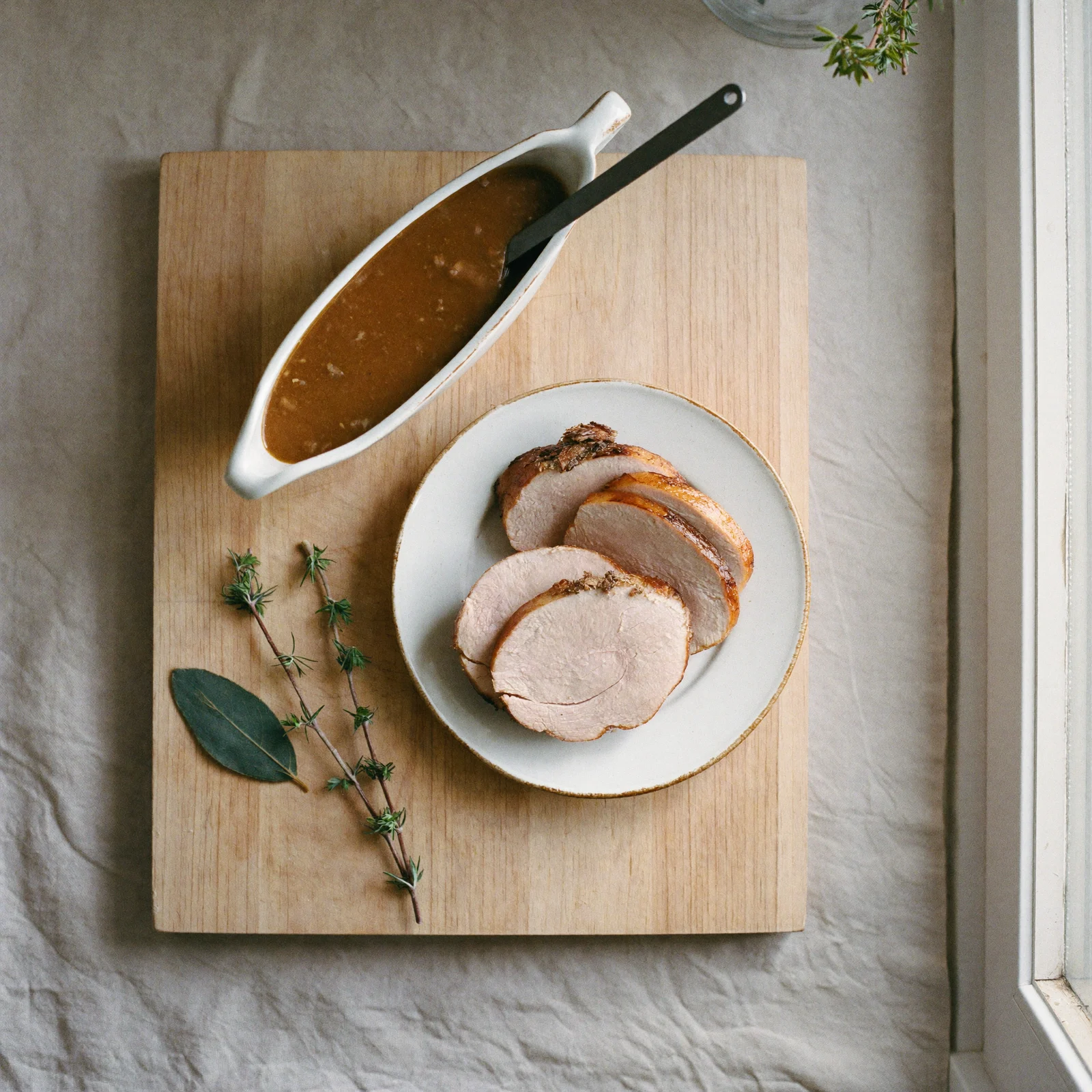
3 to 4 days
Homemade gravy, covered, in shallow containers (USDA FSIS)
4 to 6 months
Best quality; safe indefinitely (USDA FSIS)
1 to 2 days
Opened jarred gravy, or gravy made from a dry mix (USDA FoodKeeper)
The short version: refrigerate gravy within 2 hours, in shallow covered containers. Homemade gravy keeps 3 to 4 days there, but opened jarred gravy and prepared mixes keep only 1 to 2 days, according to the USDA. For longer, then, freeze it for 4 to 6 months. Finally, reheat it to a rolling boil.
Storage times and handling rules here come from the USDA Food Safety and Inspection Service's Turkey Basics: Handling Cooked Dinners and Leftovers and Food Safety pages, and the USDA's FoodKeeper data.
On this page
What to do before you store gravy
Gravy keeps best when it cools quickly, because the USDA Food Safety and Inspection Service says bacteria grow rapidly between 40°F and 140°F. So deal with it soon after the meal rather than at the end of the evening.
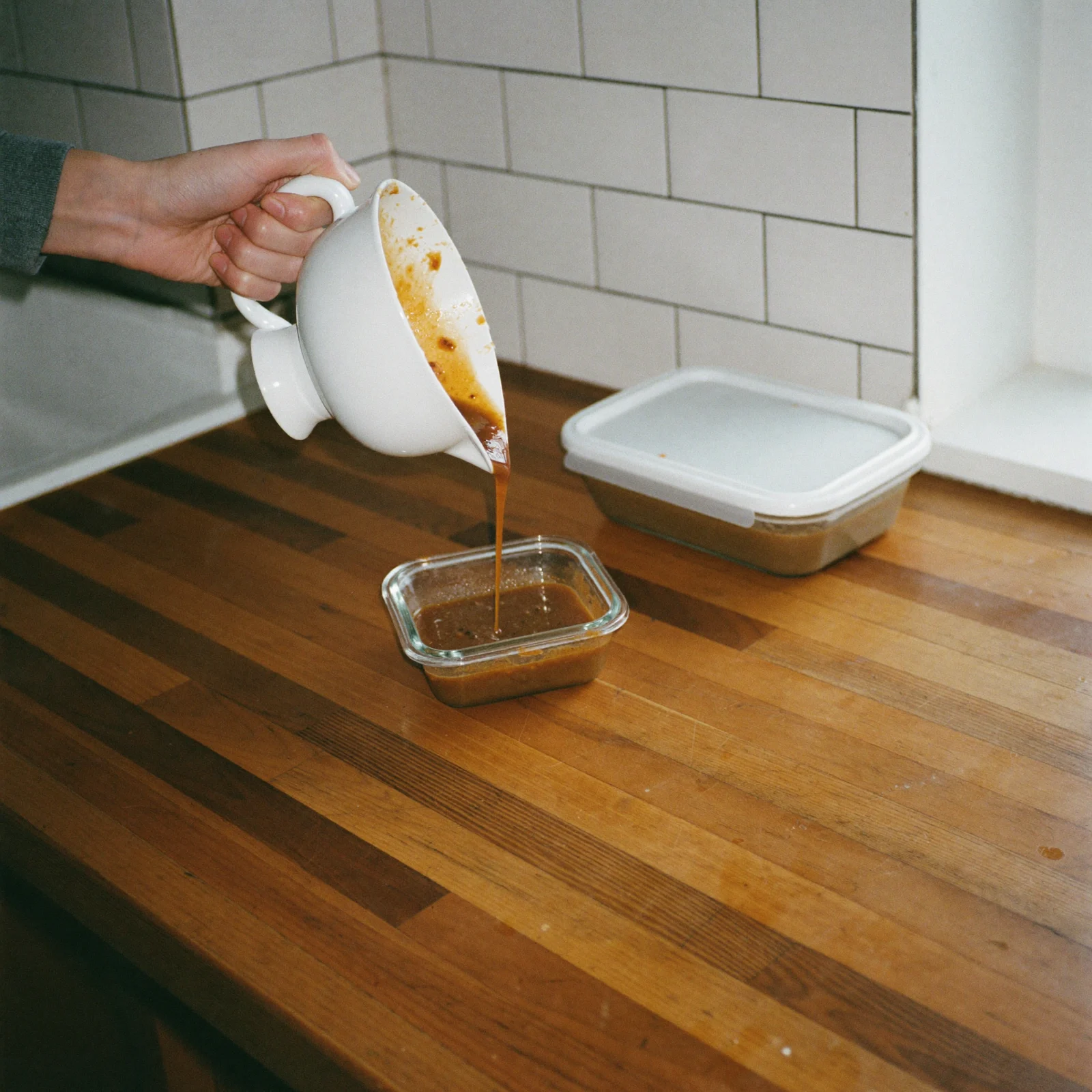
Out of the pan and into shallow containers.
Firstly, watch the clock. FSIS says to discard any turkey, stuffing or gravy left out more than 2 hours, or 1 hour above 90°F.
Secondly, pour it out of the gravy boat or pan into shallow containers. FSIS tells you to refrigerate gravy in shallow containers, since large amounts of food cool slowly.
Then cover each container. That way, as FSIS explains, you keep bacteria out and moisture in, and stop it picking up other smells.
Finally, check where it came from. Homemade gravy and opened jarred gravy follow different clocks, though, as the chart below shows. The rest of the meal has guides too, such as leftover turkey and mashed potatoes.
How to store gravy
To store gravy, cool it fast, cover it and keep it in the fridge. After that, use it within a few days, or freeze it in small portions.
How long is leftover gravy good in the fridge?
Leftover homemade gravy is good for 3 to 4 days in the fridge, according to the USDA Food Safety and Inspection Service, which lists cooked dishes and gravy together. So gravy from Thursday dinner should be eaten or frozen by Monday.
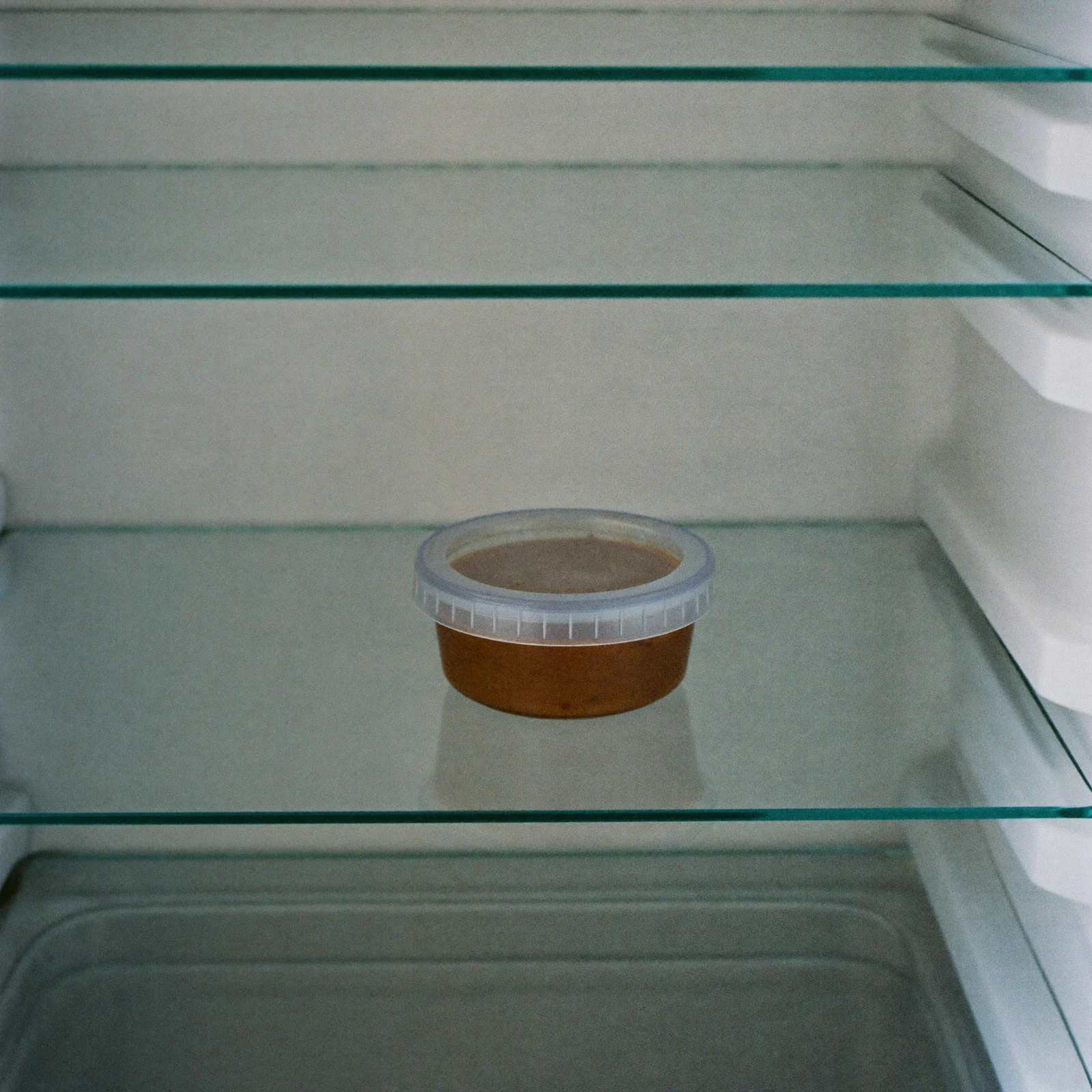
Covered, in shallow containers.
How long does jarred gravy last once opened?
Opened jarred or canned gravy lasts only 1 to 2 days in the fridge, according to the USDA's FoodKeeper data. Similarly, gravy made from a dry mix gets 1 to 2 days once prepared.
So use those up quickly, or freeze them. Unopened, however, FoodKeeper gives jars and cans 2 to 5 years in the pantry, and dry mixes 2 years. The rest of the holiday table has its own guides: leftover turkey, ham, and pumpkin, apple and pecan pie.
Can gravy sit out overnight?
No. Gravy left out overnight should be thrown away, because the USDA Food Safety and Inspection Service says perishable foods should not be out of the fridge for more than 2 hours. The food left out overnight guide covers the rest of the table.
Can you put hot gravy in the fridge?
Yes. In fact, the USDA Food Safety and Inspection Service says hot food can go straight into the fridge. However, divide it into shallow containers first, so it cools quickly. In fact, FSIS also suggests an ice or cold-water bath to chill it faster.
How do you reheat gravy safely?
Reheat gravy by bringing it to a rolling boil, as the USDA Food Safety and Inspection Service advises for sauces, soups and gravies. That is stricter than other leftovers, which only need 165°F. So stir it in a pan until it bubbles all the way through.
Can you freeze gravy?
Yes. In particular, the USDA Food Safety and Inspection Service gives cooked poultry dishes, stuffing and gravy 4 to 6 months in the freezer. Also, FSIS notes that freezer times are for quality only, so frozen gravy stays safe indefinitely.
How do you freeze gravy?
Freeze gravy once it is cold, in small containers or flattened freezer bags. That is because small portions thaw faster and let you use only what you need. Then label each one with the date, so the 4 to 6 months are easy to track.
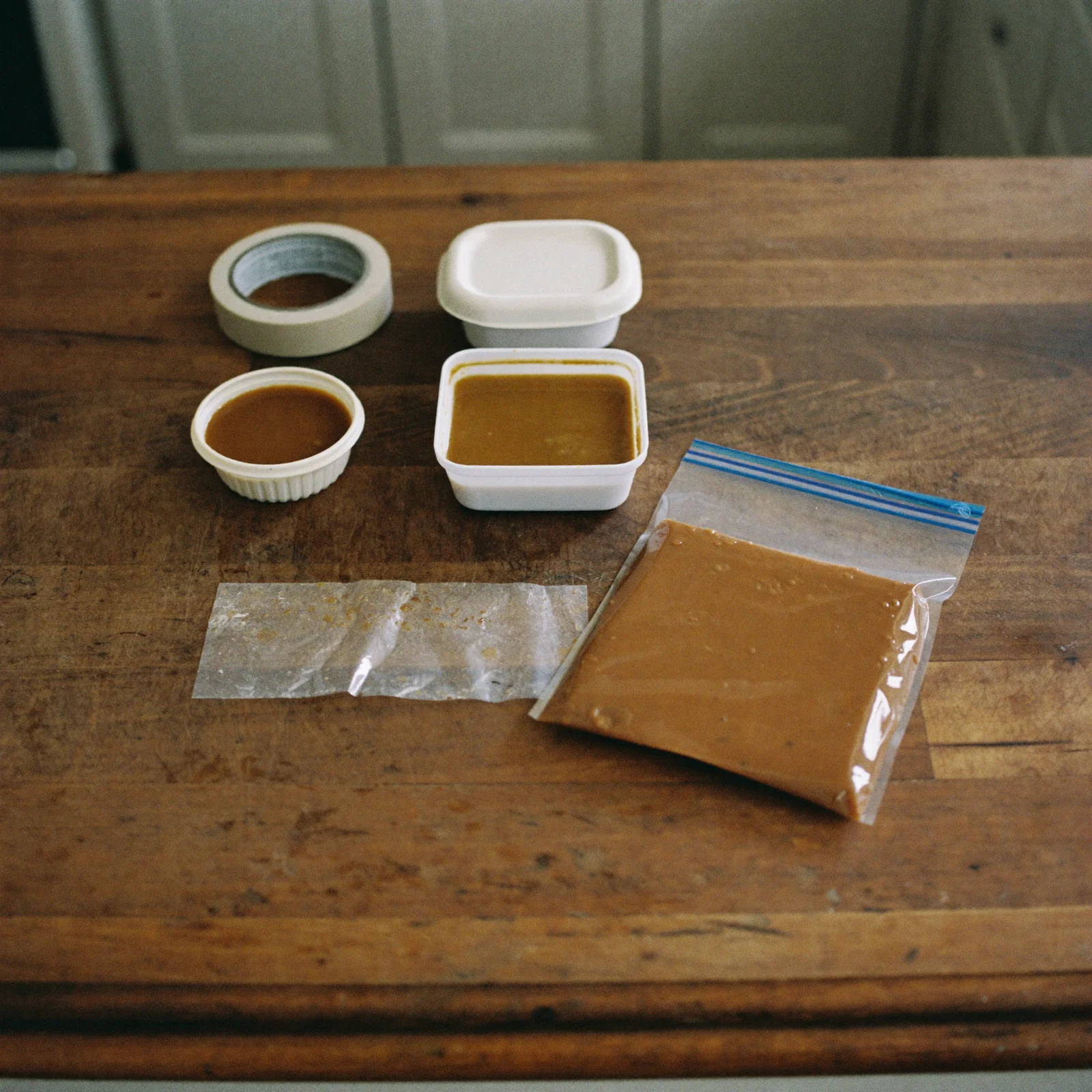
Small portions, flattened and labelled.
How do you thaw frozen gravy?
Thaw it in the fridge, or reheat it straight from frozen in a saucepan, which FSIS says is safe for sauces and soups. Either way, bring it to a rolling boil before serving.
Can you freeze turkey in gravy?
Yes, and it keeps longer that way. In fact, FSIS gives turkey covered with broth or gravy 6 months in the freezer, against 4 months for plain slices. So pouring leftover gravy over the meat before freezing helps both.
How to tell if gravy has gone bad
Gravy can be unsafe before it looks bad, since the USDA Food Safety and Inspection Service says the bacteria behind food poisoning do not generally change how food looks or smells. So count the days first. Then check the signs below.
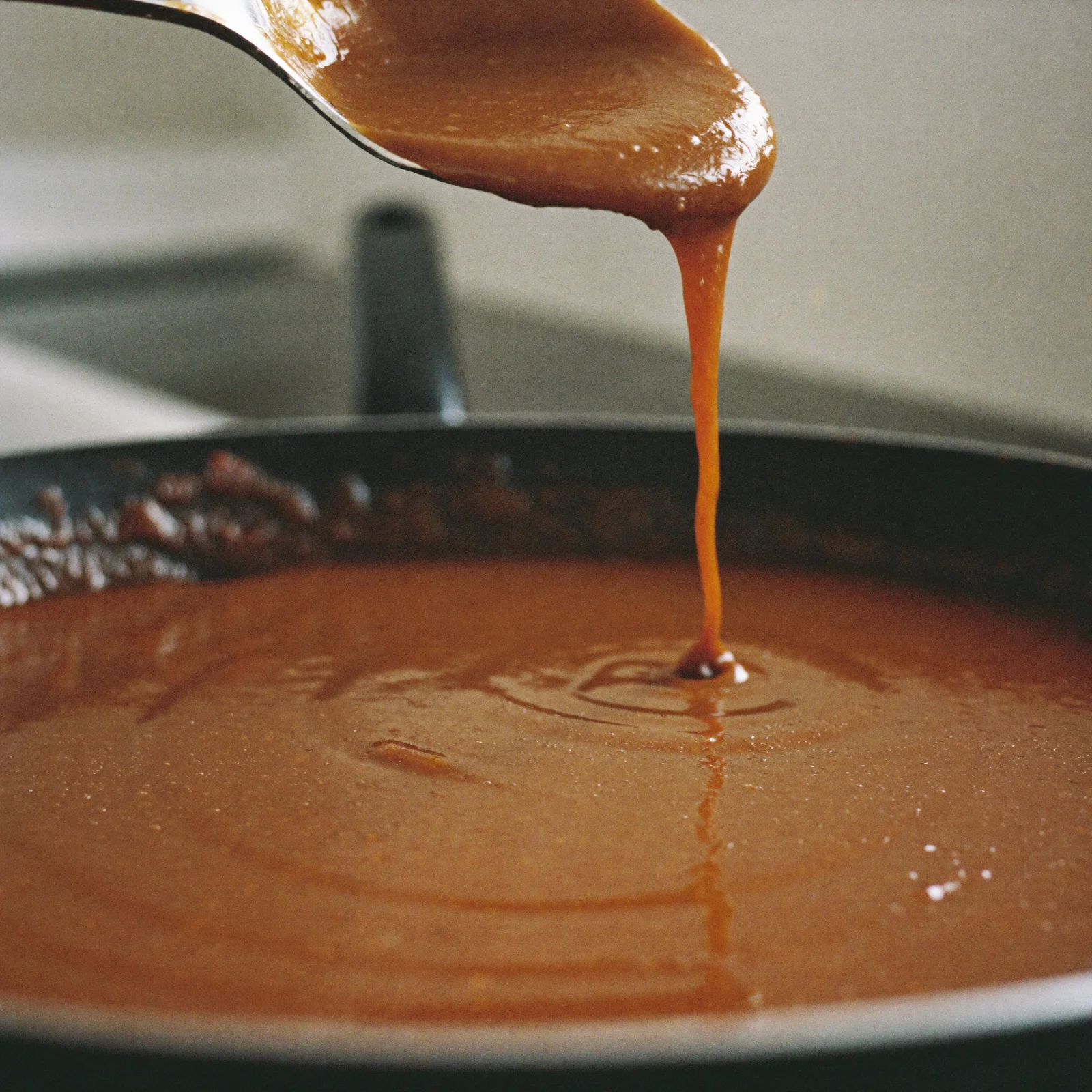
Verdict: eat it
Fresh gravy
Smooth and glossy, with a rich, savory smell. In other words, this is gravy that went into the fridge within 2 hours and is inside its days. So reheat it to a rolling boil and serve it.
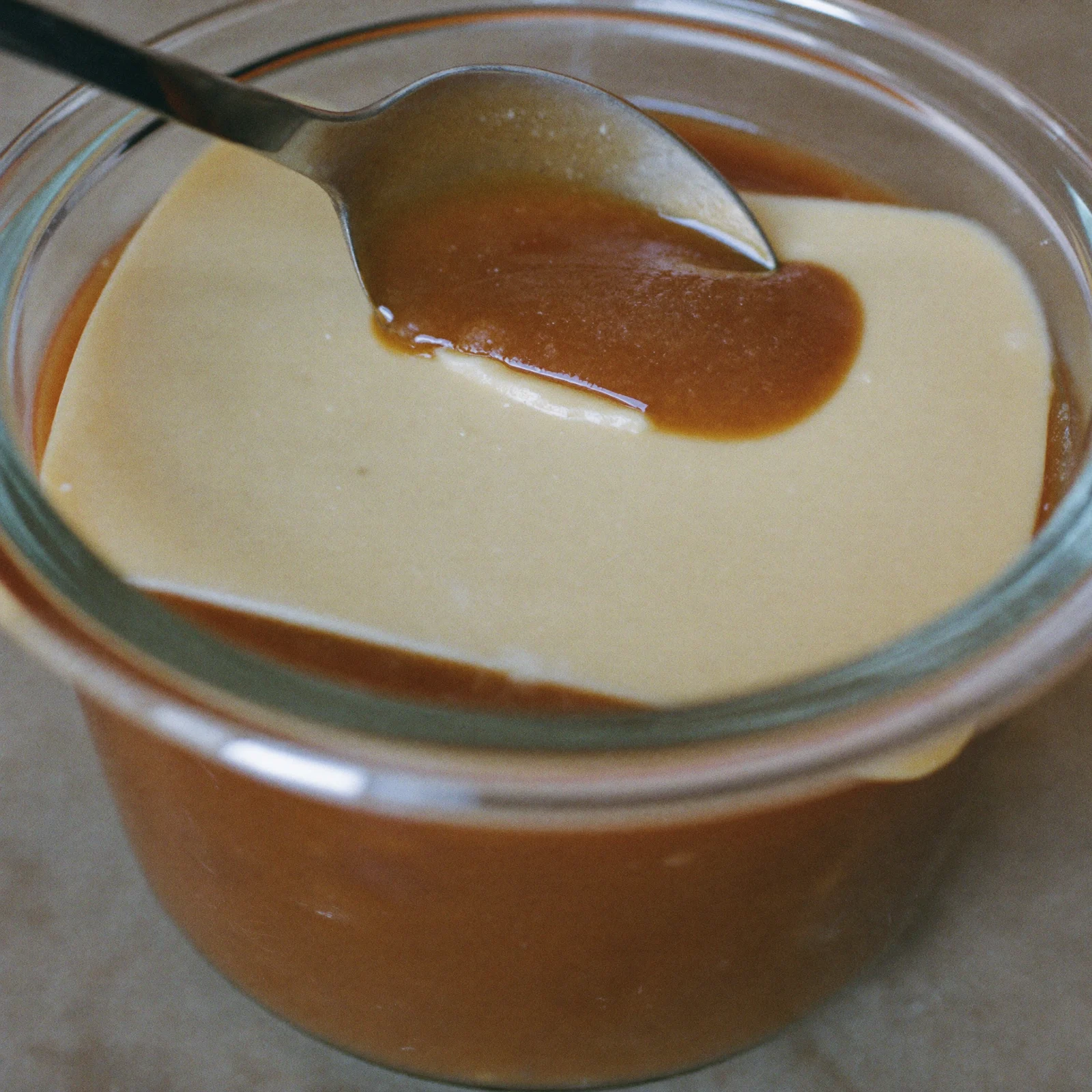
Verdict: stir it in and reheat it
Gravy with a fat layer on top
A pale, solid layer of fat or a skin on top after chilling, with normal gravy underneath. That is simply the fat setting in the cold, rather than spoilage. So if it is inside its days and smells normal, lift off the fat or whisk it back in as it boils.
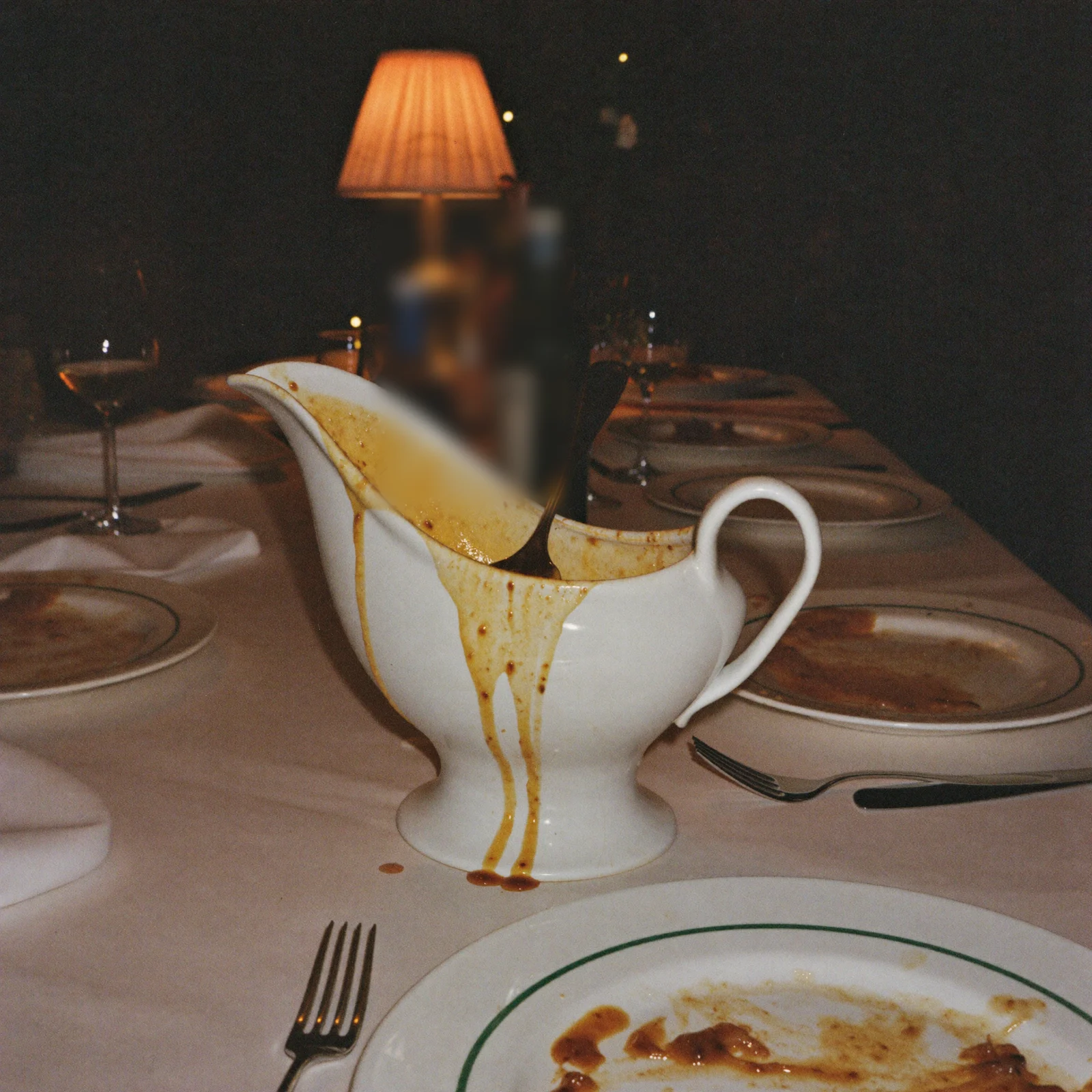
Verdict: throw it out
Gravy left out more than 2 hours
Gravy that stayed in the boat or pan on the table or stove while the evening went on. FSIS says to discard gravy left out more than 2 hours. So throw it out, because boiling it now does not fix it.
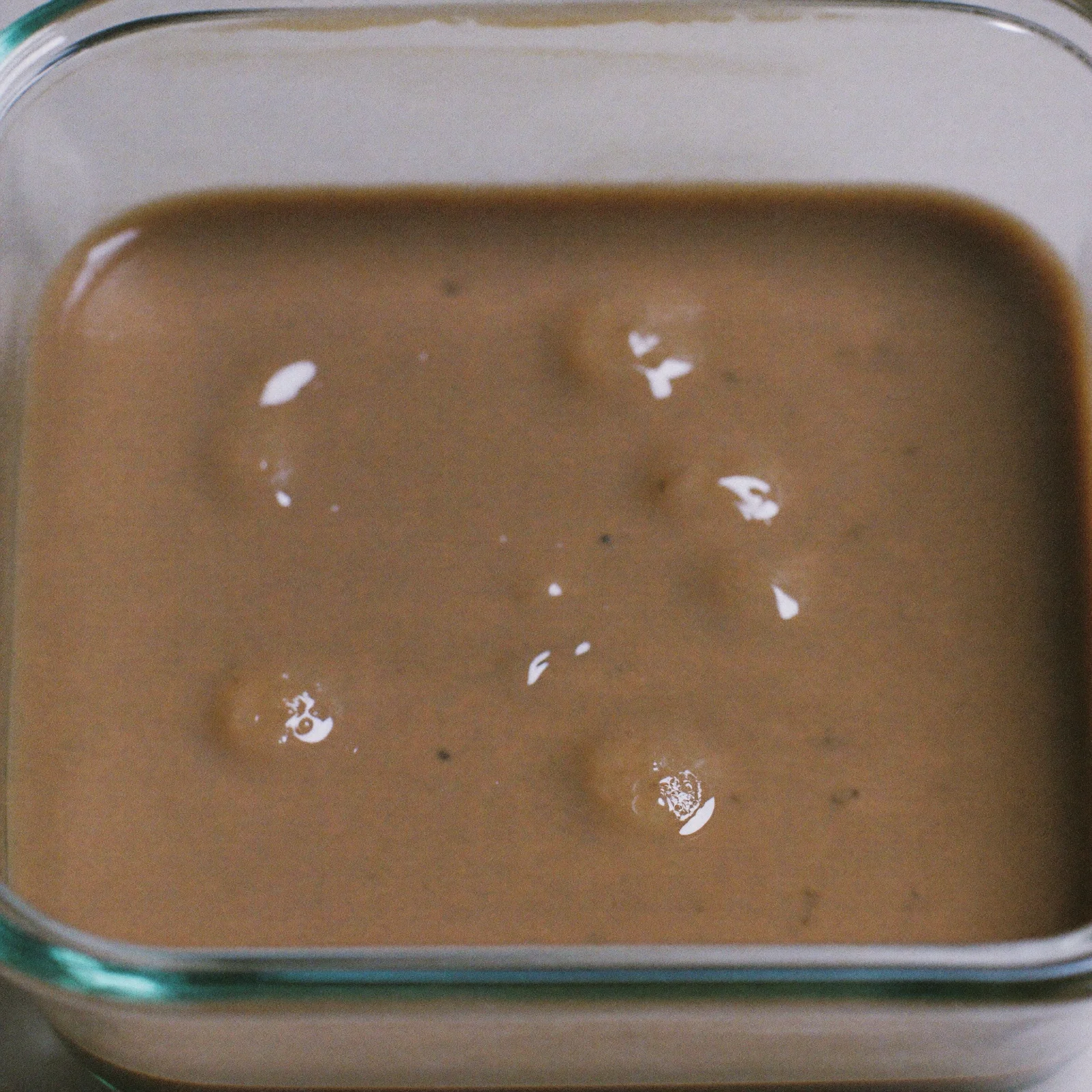
Verdict: throw it out
Sour or slimy gravy
A sour or off smell, a slimy texture, or bubbles rising in the cold gravy. These are signs of spoilage, so stop there. In fact, Clemson Cooperative Extension says to discard stored food with an off odor, so do not taste it.
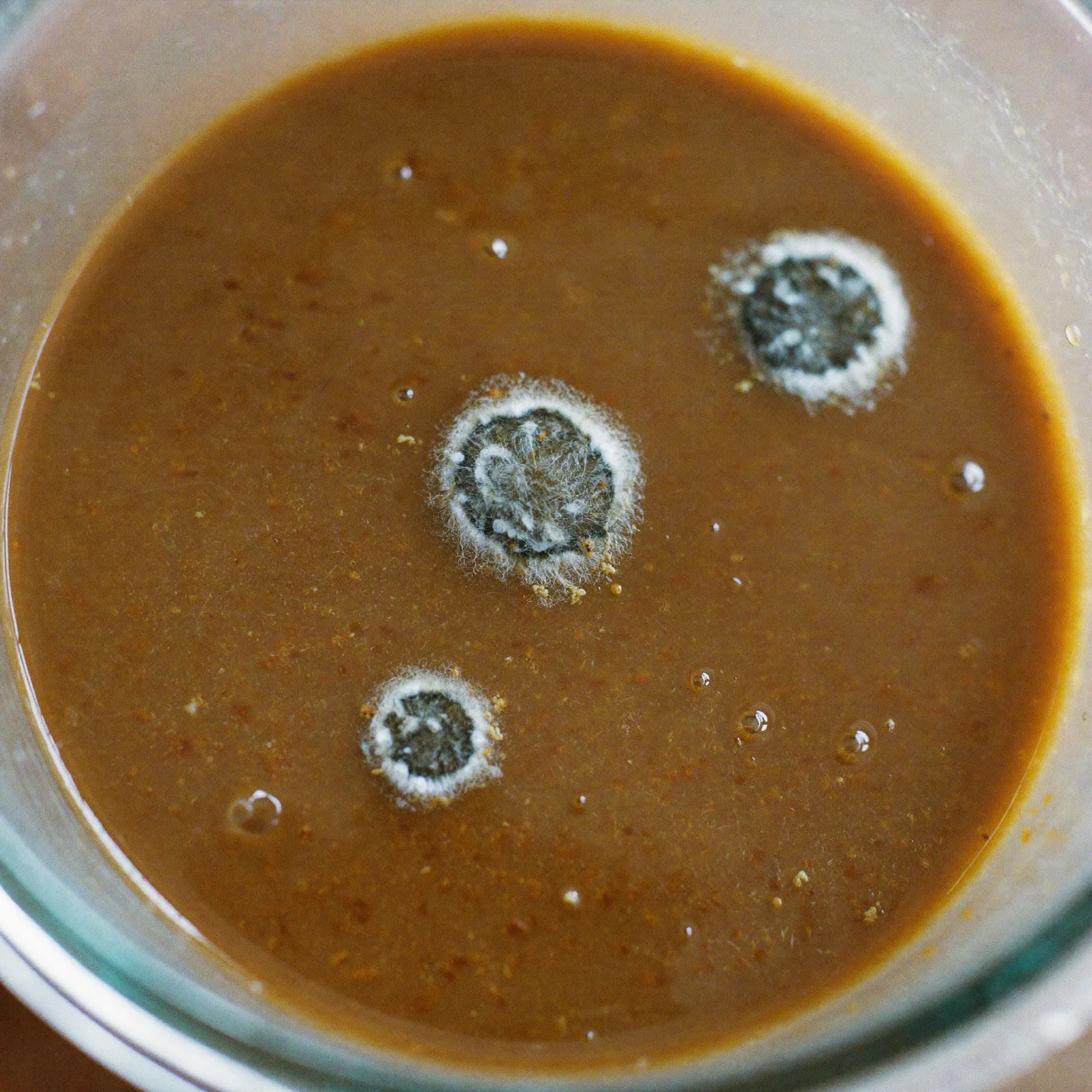
Verdict: throw it out
Moldy gravy
Fuzzy spots of white, green or black on the surface or the fat layer. The USDA Food Safety and Inspection Service says to discard moldy cooked leftovers and casseroles, because moist foods can be contaminated below the surface. So throw out the whole container.
Why must gravy be boiled when reheated?
Because the USDA treats it like a sauce. FSIS tells you to reheat sauces, soups and gravies by bringing them to a rolling boil. By contrast, other leftovers only need to reach 165°F. So do not simply warm it through; let it bubble.
How long gravy keeps, by type
The clock depends on where the gravy came from. So here is each case.
Substitute
Works best in
What changes
Homemade, in the fridge
3 to 4 days
Shallow, covered containers (USDA FSIS).
Jarred or canned, opened
1 to 2 days
In the fridge (USDA FoodKeeper).
Made from a dry mix
1 to 2 days
In the fridge (USDA FoodKeeper).
Frozen
4 to 6 months
Best quality (USDA FSIS).
Mistakes people make with leftover gravy
These are the ways leftover gravy goes wrong most often, and each one is easy to fix.
Leaving the gravy boat on the table all evening. Two hours, then into the fridge.
Keeping opened jarred gravy for days. FoodKeeper gives it 1 to 2 days.
Chilling it in the roasting pan. Pour it into shallow containers so it cools quickly.
Warming it gently. FSIS says to bring gravy to a rolling boil.
Throwing it out because of a fat layer. Lift it off or whisk it in.
Freezing it in one big tub. Small portions thaw faster.
Skimming off mold. Moist foods can be contaminated below the surface, so bin it.
Sources
Turkey Basics: Handling Cooked Dinners, Food Safety and Inspection Service, U.S. Department of Agriculture, on refrigerating gravy in shallow containers, bringing gravy to a rolling boil, perishable food out no more than 2 hours, cooked dishes and gravy at 3 to 4 days refrigerated, cooked poultry dishes, stuffing and gravy at 4 to 6 months frozen, and turkey in broth or gravy at 6 months frozen.
Leftovers and Food Safety, Food Safety and Inspection Service, U.S. Department of Agriculture, on the danger zone, the 2-hour and 1-hour rules, cooling in shallow containers or an ice bath, putting hot food straight into the fridge, reheating sauces, soups and gravies to a rolling boil, and reheating without thawing.
FoodKeeper App, Food Safety and Inspection Service, U.S. Department of Agriculture, whose published FoodKeeper data lists jarred and canned gravy at 2 to 5 years unopened and 1 to 2 days refrigerated after opening, and dry gravy mixes at 2 years, with 1 to 2 days refrigerated once prepared.
Refrigeration and Food Safety, Food Safety and Inspection Service, U.S. Department of Agriculture, on pathogenic bacteria not generally affecting the taste, smell or appearance of food.
Molds on Food: Are They Dangerous?, Food Safety and Inspection Service, U.S. Department of Agriculture, on discarding moldy cooked leftovers and casseroles.
Safety of Stored Foods, Clemson Cooperative Extension Home & Garden Information Center fact sheet HGIC 3520, revised April 2020, on discarding stored food with an off odor.
Storage times and safety advice on this page come from the sources above. Food safety depends on conditions I cannot see, so read the Disclaimer, and if in doubt, throw it out.
Other ingredient guides
Browse all guides





Share this guide
Never miss a guide
New ingredient guides when they go up, plus one storage tip worth knowing. Anything sponsored is labelled.

Emilly White