
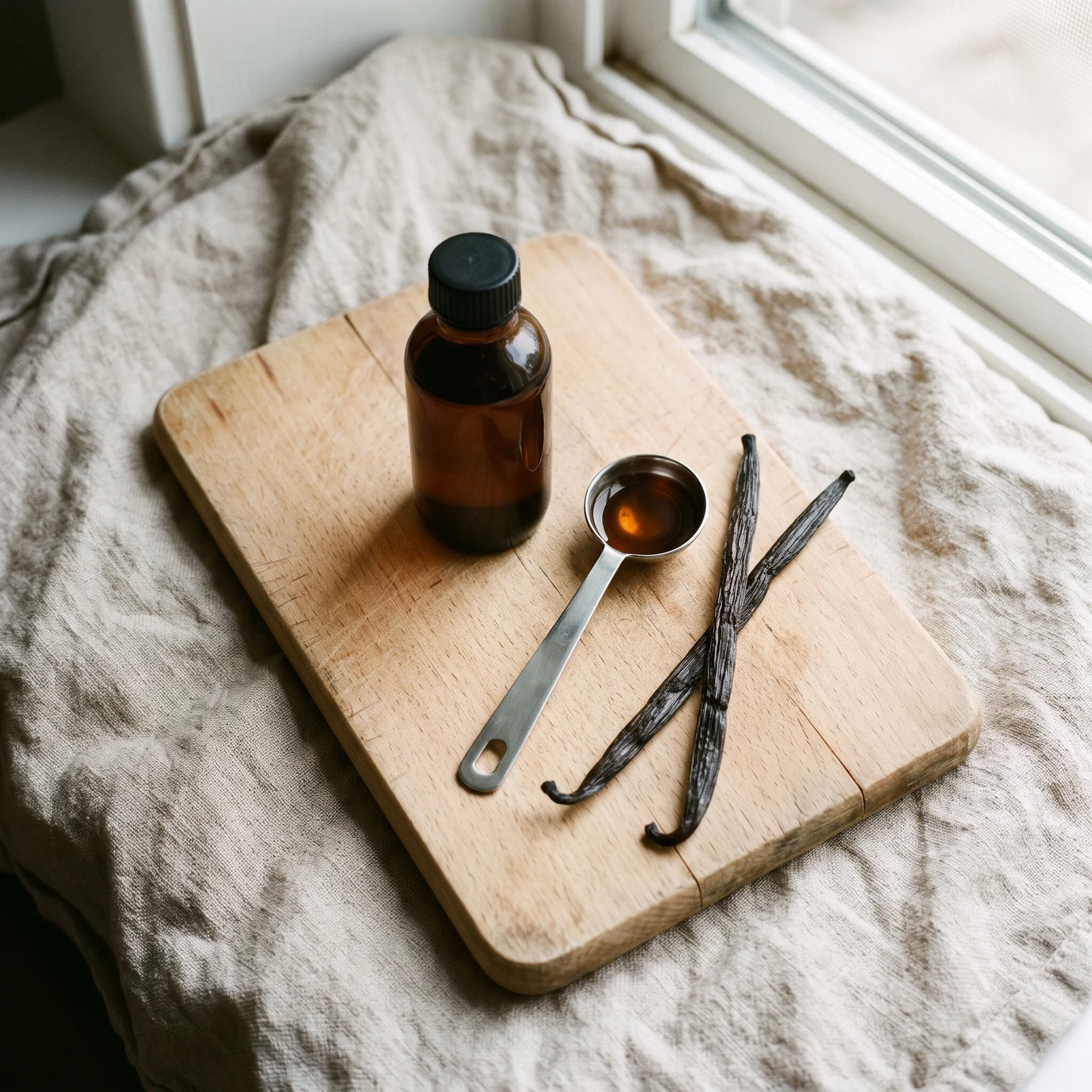
Years
Cap screwed tight, somewhere cool and dark
Not needed
Cold only clouds it, and it gains nothing
Not recommended
Freezing speeds up separation in the bottle
Has your vanilla extract gone bad?
See all 5 stages ↓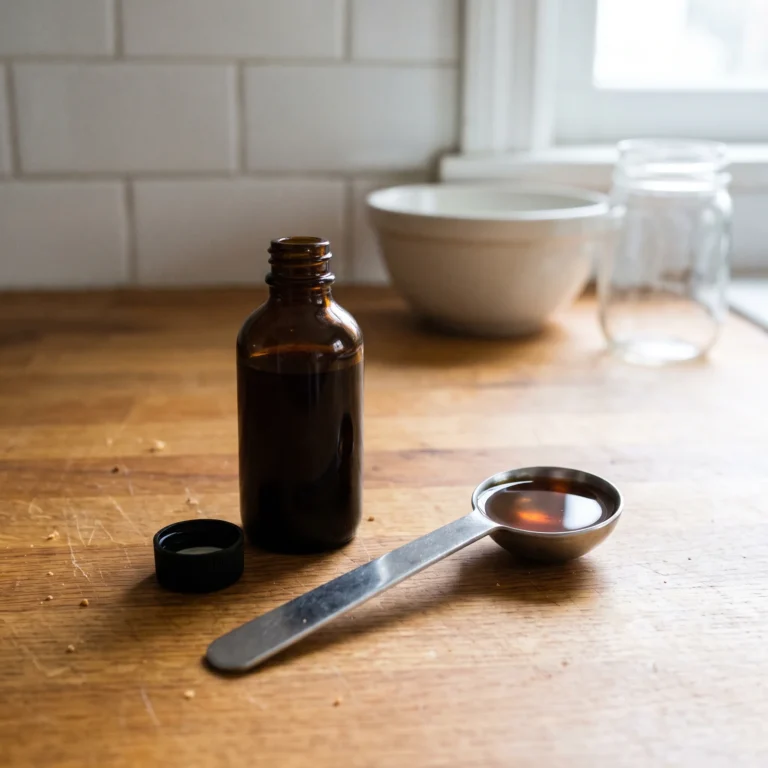 Use itDark, clear, strongly scented vanilla extract
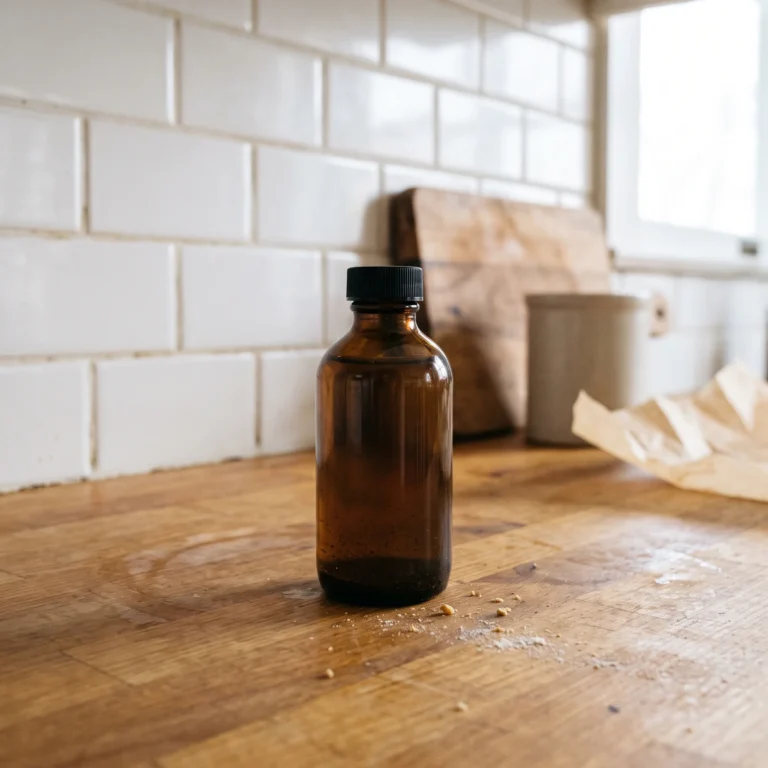 Shake it and use itCloudy vanilla extract with sediment
 Throw it outVanilla extract that smells wrong
Pure vanilla extract keeps for years in a cool, dark cupboard, and it does not need the fridge. By law it is at least 35 percent alcohol, which is what preserves it. Makers give it three to four years for the best flavor, but a tightly capped bottle stays safe well beyond that, and the flavor simply mellows.
Is your vanilla extract pure or imitation?
Check the label first, because pure and imitation vanilla keep very differently. Pure vanilla extract has to be at least 35 percent alcohol, and that alcohol does the preserving. Imitation vanilla, by contrast, is mostly water with vanillin and a little preservative. So a bottle that says pure lasts for years, while an imitation one is on a shorter clock.
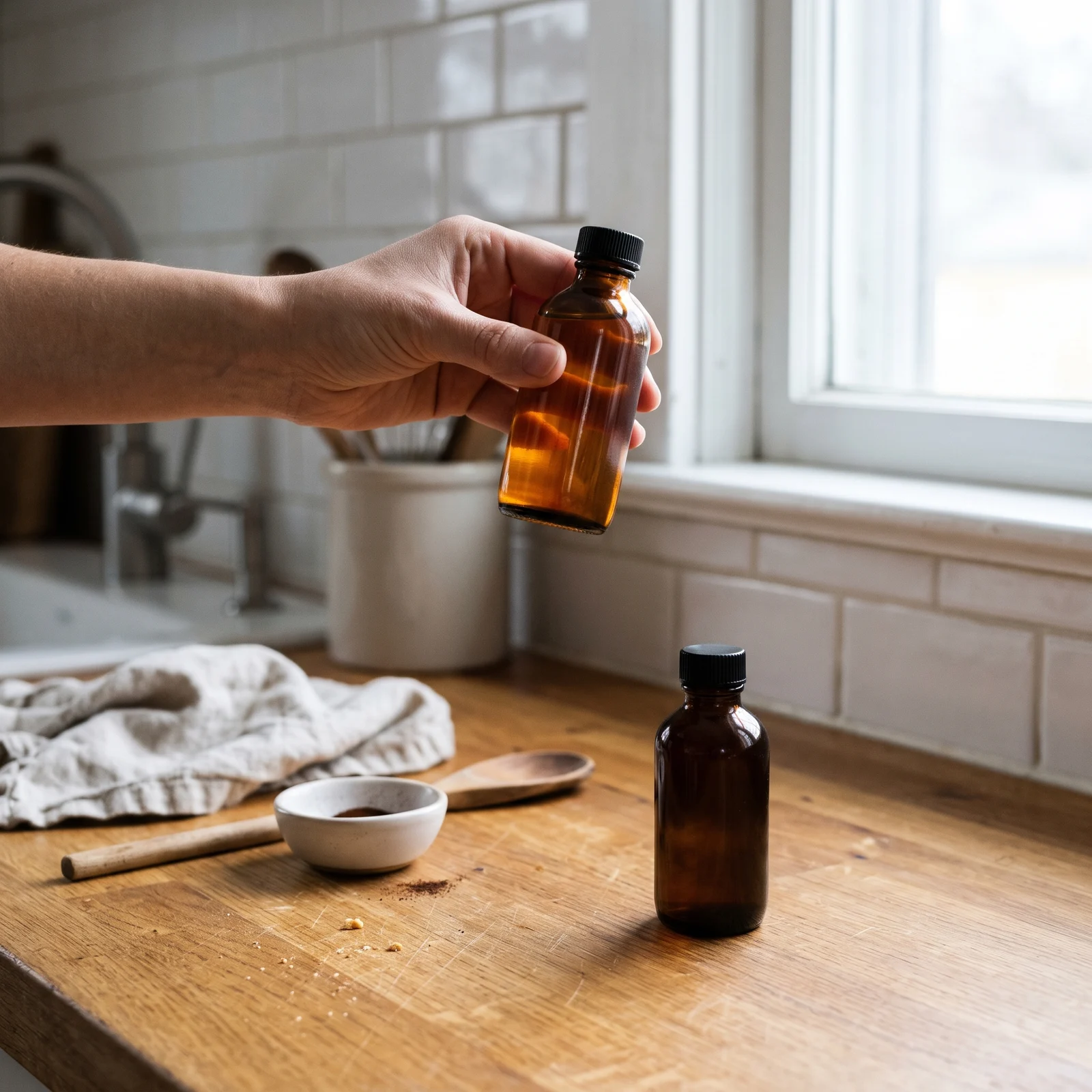
The word pure on the label is what buys the bottle its long life.
The alcohol is the reason it keeps. The federal standard for vanilla extract sets the ethyl alcohol at no less than 35 percent by volume, with at least one unit of vanilla beans per gallon, and one unit is 13.35 ounces of beans. At that strength, the bottle is a poor home for microbes.
The cap has to close tightly, though. Alcohol and the vanilla aroma both escape from a loose cap, so a bottle left open on the counter loses strength rather than going off.
Cool and dark is the target, and ordinary room temperature is fine. Heat, humidity, direct sunlight and even fluorescent light all wear the flavor down, so a closed cupboard beats a shelf beside the oven or the dishwasher.
Imitation vanilla is the exception to all of this. Its own specification gives it 720 days, and the imitation vanilla extract guide covers how it fades and when it turns.
How to store vanilla extract so it lasts
To store vanilla extract so it lasts, screw the cap down after every use and keep the bottle in a cool, dark cupboard at room temperature. That is the whole routine. Unlike most things in the pantry, pure vanilla extract keeps developing in the bottle, mellowing as it ages the way a fine spirit does.
Where should you keep vanilla extract?
Keep it in its original dark bottle, in a closed cupboard away from the cooker, the oven and the dishwasher. Those appliances give off heat, and heat and moisture both weaken the flavor over time. A shelf in direct sun is no better, so a baking cupboard away from the stove is ideal. Write the date you opened it on the bottle, and then you will always know its age.
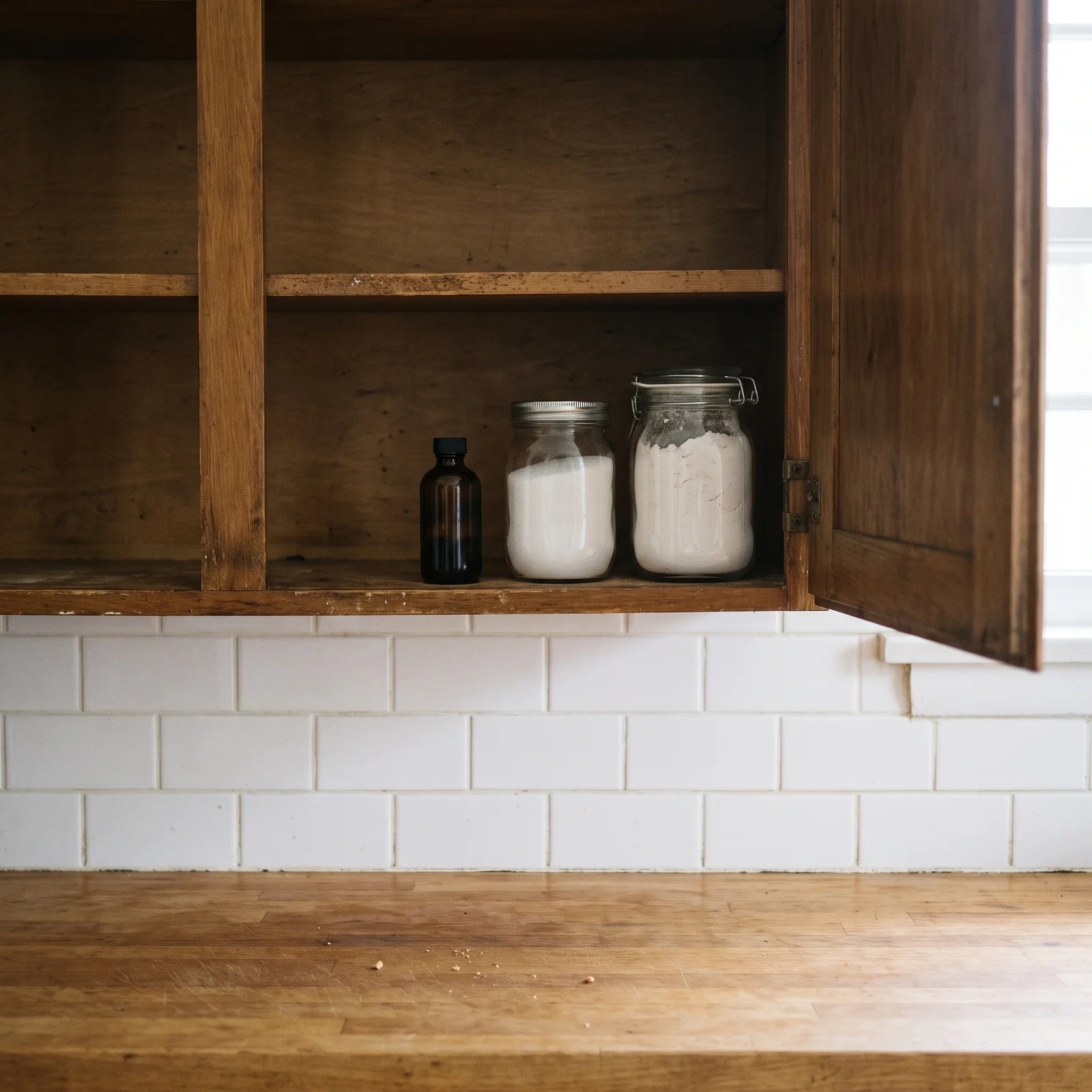
A closed cupboard away from the oven is all a bottle of vanilla extract needs.
How long does vanilla extract last?
Plan on three to four years for the best flavor from a bottle of pure vanilla extract. One maker recommends three years, while another gives 1,440 days, which is just under four. Extension storage charts are more cautious, putting an unopened bottle at 2 years and an opened one at 12 months for top quality. Other extension advice calls the shelf life of vanilla extract infinite, so those shorter figures are about flavor rather than safety.
In practice, a bottle that has been capped and kept cool does not spoil on any date. What changes is the strength of the aroma, so the older the bottle, the more you rely on your nose. Most other flavoring extracts are given only 6 months to a year, which is why pure vanilla is the one bottle in the baking cupboard you can keep the longest.
Do you refrigerate vanilla extract?
No, you do not refrigerate vanilla extract, whether the bottle is opened or not. The alcohol already preserves it, so the cold gains it nothing. In fact, refrigeration speeds up the natural separation of the vanilla compounds from the liquid, which leaves the extract cloudy with a deposit at the bottom. So the cupboard is the better place, not just the easier one.
Does vanilla extract expire?
A bottle of pure vanilla extract carries a best-before date, but that date is not the day it stops being usable. Properly stored, pure vanilla extract can keep its quality beyond its recommended shelf life. So an old bottle is worth a sniff before it is worth the bin, and if it still smells strongly of vanilla, it will still flavor a cake.
Can vanilla extract sit out overnight?
Yes, vanilla extract can sit out overnight, because room temperature is where it belongs. The 2-hour rule covers perishable foods such as meat, eggs, dairy and cooked dishes, and a bottle that is at least a third alcohol is not one of them. Just put the cap back on, otherwise the alcohol and the aroma slowly escape. The food left out overnight guide covers the bake it went into.
Can you freeze vanilla extract?
There is no reason to freeze vanilla extract, and the makers advise against it. Freezing, like refrigeration, speeds up the separation of the flavor from the liquid. It can also let moisture into the container, which is why extension advice keeps spices out of the freezer too. A cupboard already keeps the bottle for years, so the freezer has nothing to add.
Why has my vanilla extract gone cloudy?
Cloudiness and a little sediment at the bottom are normal, especially after the bottle has been somewhere cold. The flavoring material has simply dropped out of suspension. Shake the bottle well, and it should mix back in. After that, keep it at room temperature, because cold is what drives the separation in the first place.
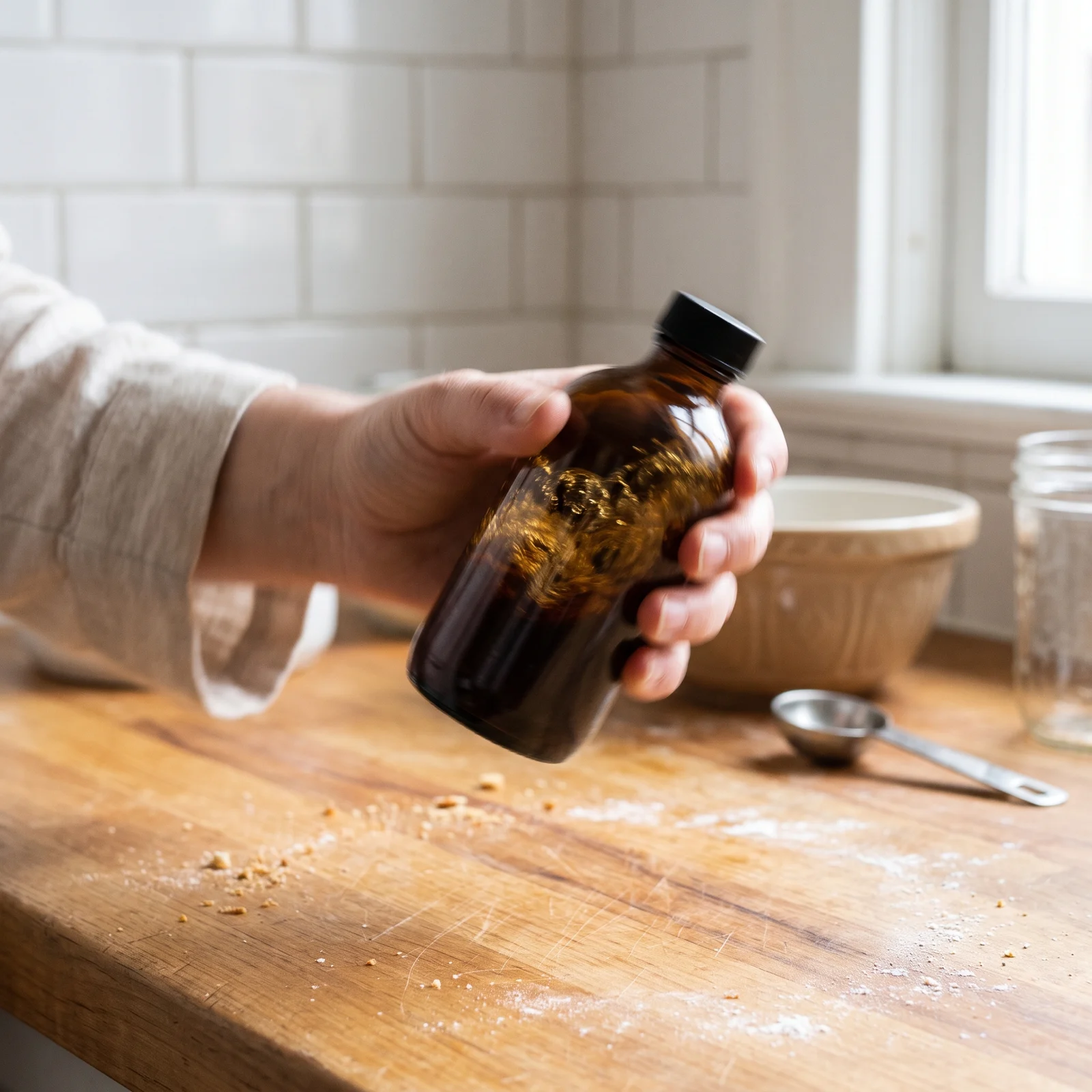
Cloudy is not spoiled, so shake the bottle before you judge it.
Does vanilla extract evaporate?
Yes, slowly, and that is the main way a bottle loses strength. Flavoring extracts evaporate over time, and the volatile oils that carry the aroma escape whenever the cap is loose. So a bottle that has dropped well below its last level, or that smells faint, has lost flavor rather than gone bad. In that case, use a little more of it, and replace the cap firmly each time.
Is pure vanilla extract better than imitation?
For keeping, yes, since pure extract lasts far longer. For flavor, the answer depends on the recipe. In blind tastings of sugar cookies and vanilla pudding, tasters could not tell the two apart, partly because flavor compounds burn off in the oven. Imitation vanilla is also claimed to hold its flavor better at high temperatures. So the gap between the two bottles shows least in a hot oven.
Does vanilla extract go bad?
Pure vanilla extract rarely goes bad, and that is the honest answer. The alcohol keeps it safe, so most of what you will see over the years is the flavor fading or the extract separating. Spoilage is still possible, however, so an odd smell or a growth in the bottle should never be ignored. Here is what each stage means.
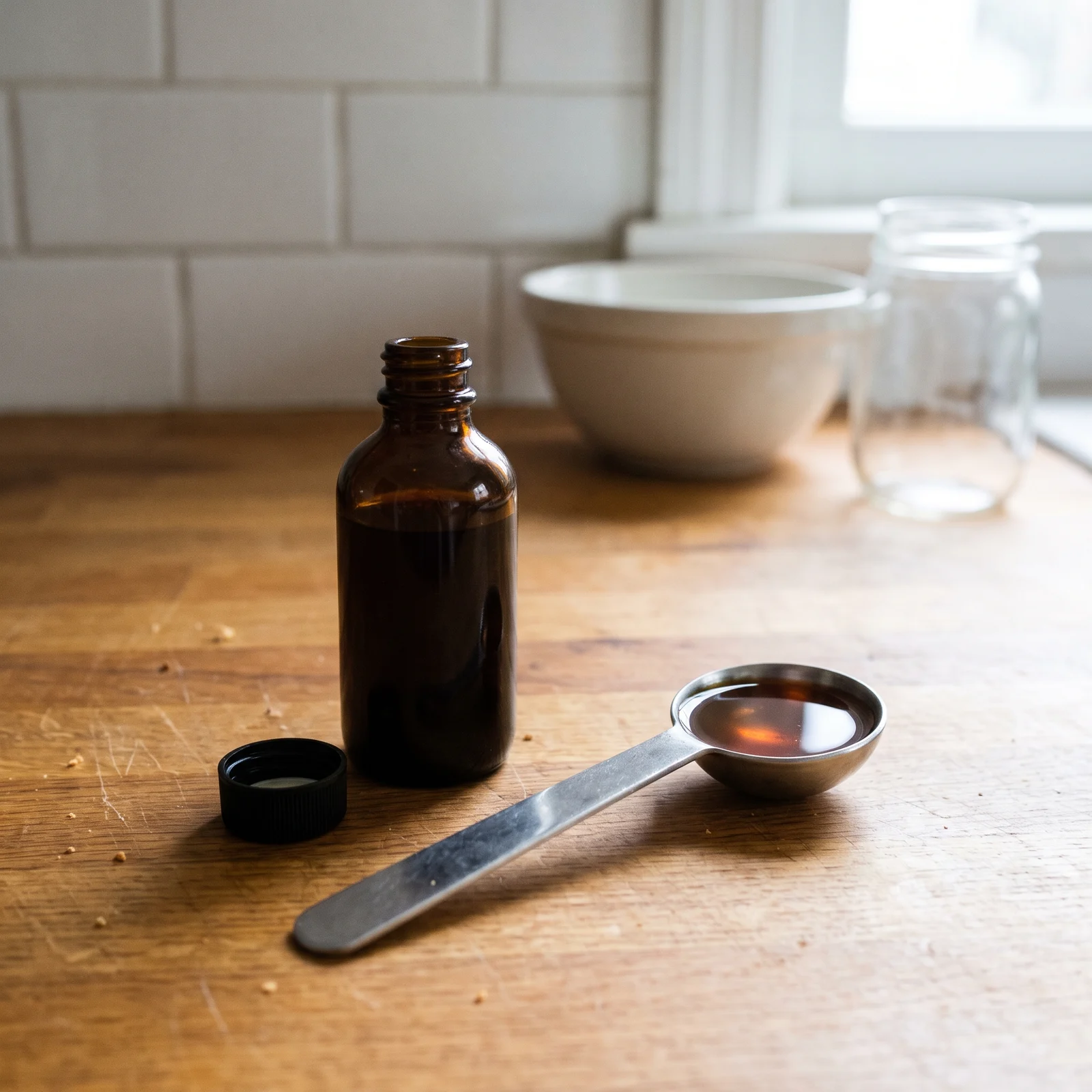
Verdict: use it
Dark, clear, strongly scented vanilla extract
The extract is a clear, deep amber brown, and it smells strongly of vanilla the moment you open it. That is a bottle at its best, whatever its age. So use it as it is, and screw the cap back down tightly.
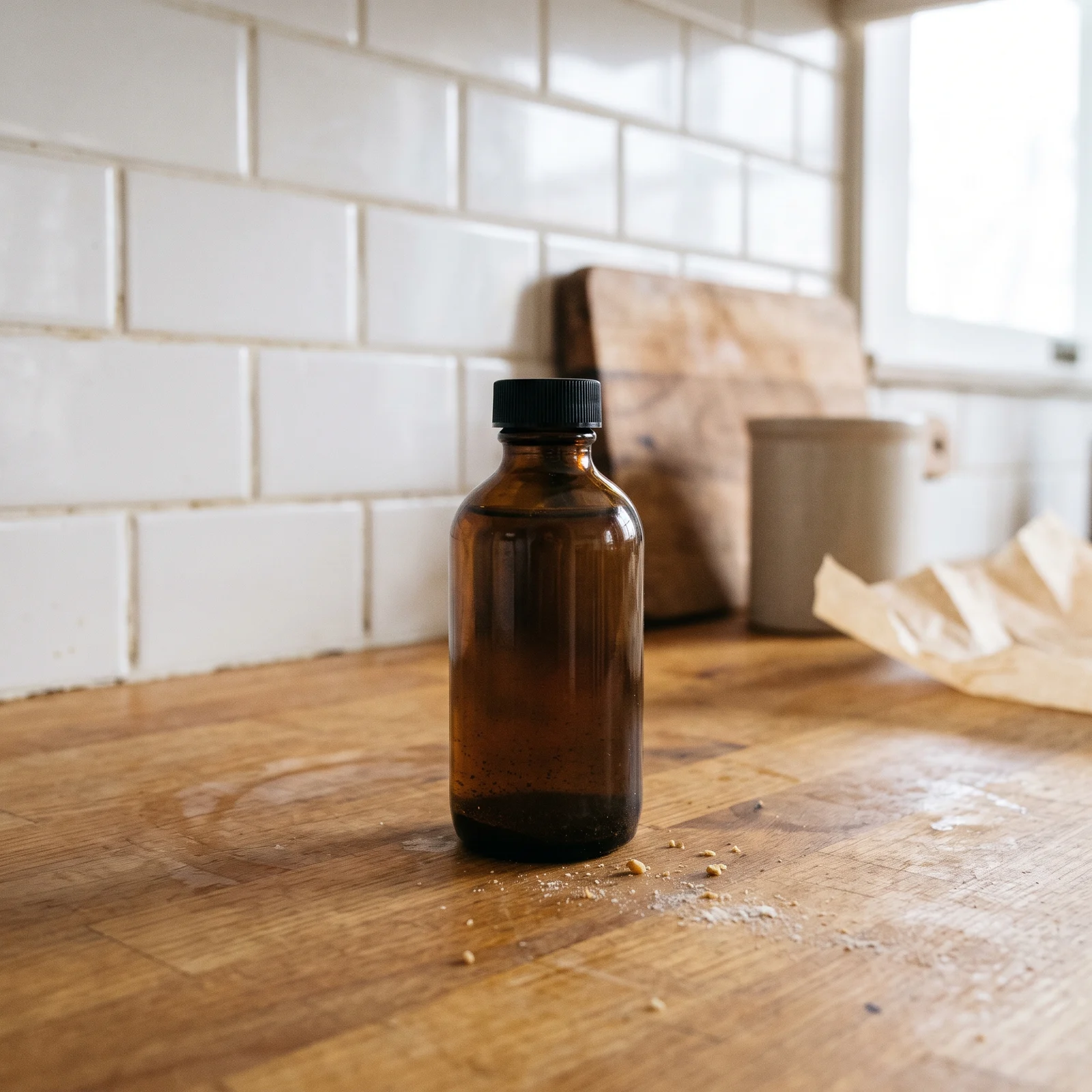
Verdict: shake it and use it
Cloudy vanilla extract with sediment
The extract looks hazy, or a dark deposit has settled at the bottom of the bottle. That is the flavor dropping out of suspension, which cold makes more likely, and it is normal. So shake the bottle hard, then use it, and move it out of the fridge if that is where it has been.
Verdict: use a little more
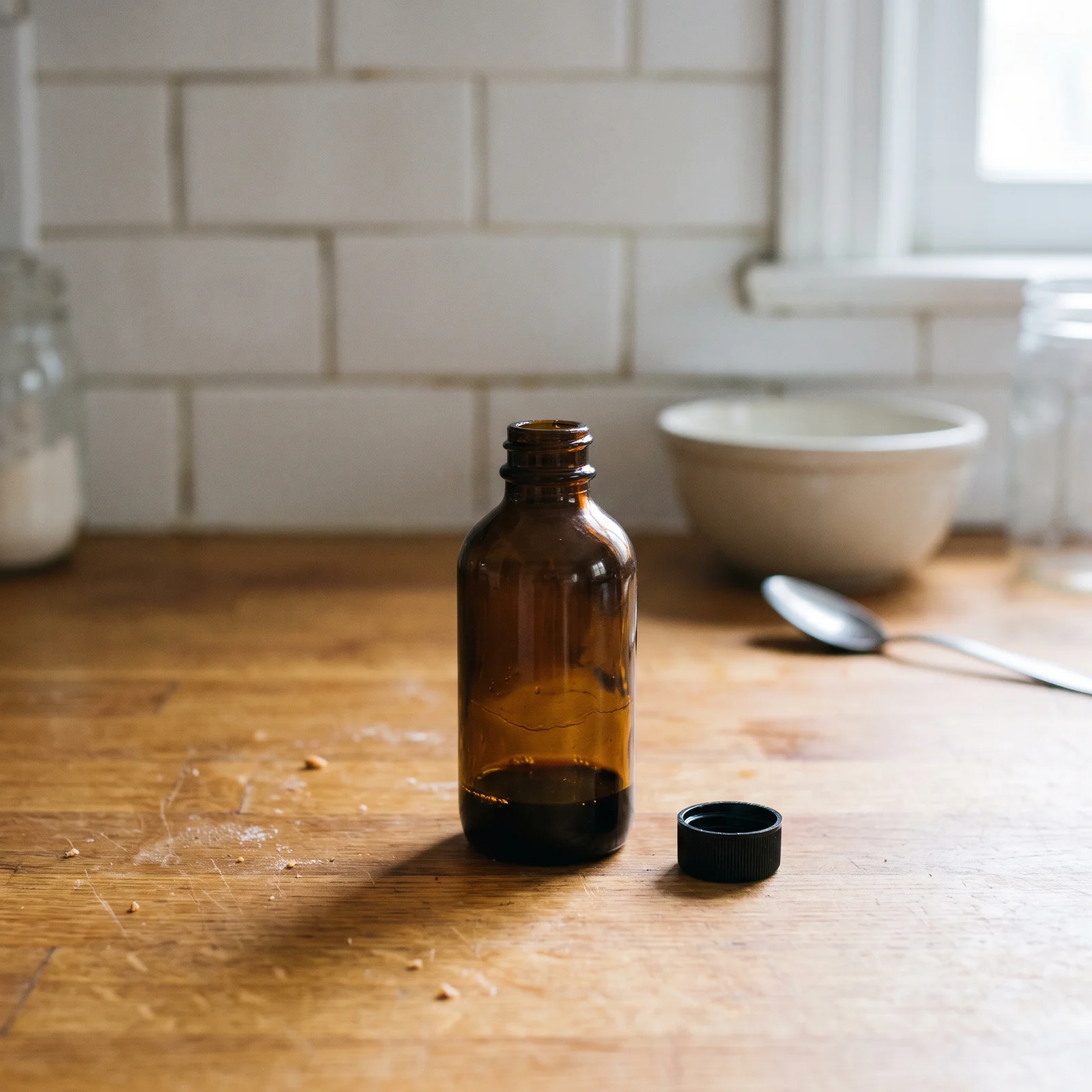
Vanilla extract that smells faint
The bottle smells more of alcohol than of vanilla, or the level has dropped well below where you left it. Evaporation has taken some of the aroma, which is a loss of quality rather than of safety. So add a little extra to the recipe, or use it up where vanilla is not the main flavor.

Verdict: throw it out
Vanilla extract that smells wrong
The extract smells sour, musty or simply unlike vanilla. An unusual odor is one of the signs the makers name for throwing vanilla out, so there is no point tasting it to check. Pour it away and start a fresh bottle.
Verdict: throw it out
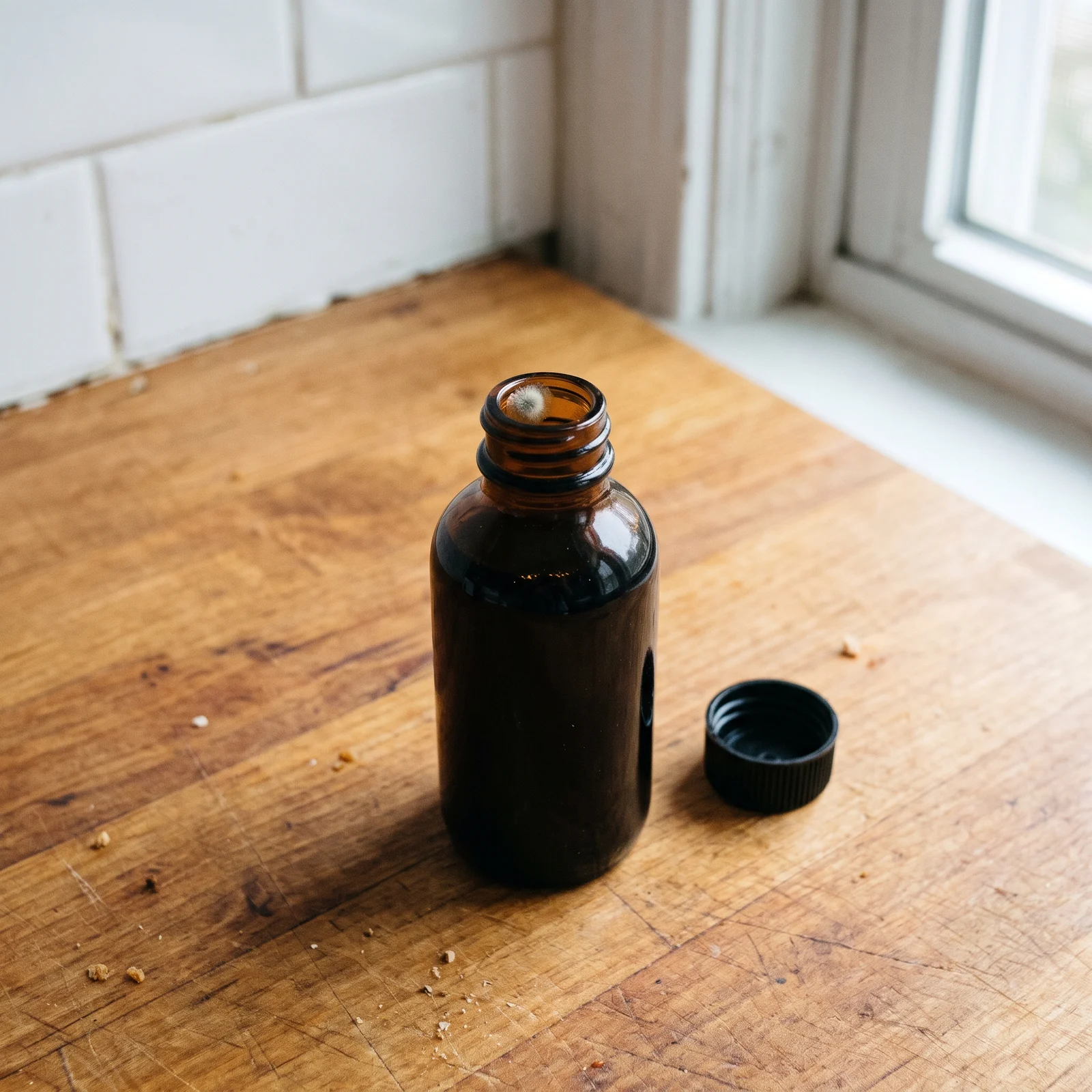
Vanilla extract with mold in it
There is a fuzzy growth floating in the bottle, around the neck or under the cap. That is rare in a pure extract, since the alcohol makes the bottle a poor home for microbes, yet visible mold means the bottle goes. So throw it out, cap and all. The imitation vanilla extract guide explains why the water-based version is the one that molds more readily.
How much vanilla extract should you buy?
Buy a bottle you will finish within three or four years, which is the window the makers give for the best flavor. For most home bakers, that makes a small bottle the sensible choice, while heavy holiday bakers can go bigger. Date the bottle when you open it, then smell it before each big bake. That way you never wonder whether last year's bottle is still worth using.
Vanilla extract substitutes
Out of vanilla extract, or is the bottle too faint to trust? Then one of these will stand in.
Substitute
Works best in
What changes
Imitation vanilla
Cookies and cakes
Its specification gives it 720 days, and the imitation vanilla extract guide covers it.
Vanilla bean paste
Custards and ice cream
It also lives at room temperature, with the lid closed tightly.
Whole vanilla beans
Visible vanilla flecks
Keep them sealed at room temperature, because the fridge can encourage mold on the beans.
Lemon extract
A different flavor in the same role
It changes the taste, and the lemon extract guide covers how it keeps.
Mistakes people make when they store vanilla extract
These are the ways people store vanilla extract that cost them the most, so each one has an easy fix.
Keeping the bottle on a shelf beside the oven, where the heat wears the flavor down.
Putting it in the fridge, which only speeds up the separation and turns it cloudy.
Freezing it to make it last, when the cupboard already keeps it for years.
Leaving the cap loose, so the alcohol and the aroma evaporate.
Throwing out a cloudy bottle that only needed a good shake.
Binning a bottle on its best-before date without smelling it first.
Tasting a bottle that smells wrong, instead of pouring it away.
Sources
21 CFR 169.175 Vanilla extract, Code of Federal Regulations, title 21, on the content of ethyl alcohol being not less than 35 percent by volume and the vanilla constituent being not less than one unit per gallon.
21 CFR 169.3 Definitions, Code of Federal Regulations, title 21, on one unit weight being 13.35 ounces of vanilla beans containing not more than 25 percent moisture.
Frequently Asked Questions, Nielsen-Massey Vanillas, on pure vanilla extracts having a recommended shelf life of three years while continuing to mellow and develop flavor as they age, on cloudiness or sediment meaning the flavor matter has dropped out of suspension and being normal, on shaking the bottle to put it back into suspension, and on storing extracts in an airtight container at room temperature away from direct heat and sunlight rather than in the refrigerator or freezer, which speed up the separation.
Getting the Most from Your Vanilla: Your Questions, Answered, Nielsen-Massey Vanillas, on closing bottles tightly after each use, on refrigeration not being necessary and freezing or refrigerating accelerating separation, on the alcohol base preserving the extract, on pure vanilla extract retaining its quality beyond its recommended shelf life when stored properly, on vanilla bean paste being stored at room temperature with the lid tightly closed, on refrigeration encouraging mold growth on whole vanilla beans, and on discarding vanilla that shows visible mold or an unusual odor.
McCormick Culinary Pure Vanilla Extract, McCormick & Company, on a shelf life of 1,440 days stored in a cool, dry place, avoiding humidity, heat, fluorescent light and direct sunlight, and an ingredient statement of vanilla bean extractives in water and alcohol.
McCormick Culinary Imitation Vanilla Flavor product specification, McCormick & Company sell sheet, on a shelf life of 720 days, an ingredient statement of water, caramel color, vanillin, ethyl vanillin and potassium sorbate added as a preservative, and the claim that it retains flavor better than pure vanilla extract at high temperatures.
Food Storage Guide, Julie Garden-Robinson, NDSU Extension publication FN579, on vanilla at 2 years unopened and 12 months opened, keeping bottles tightly closed because volatile oils escape, and storing staples in cool cabinets away from appliances that produce heat.
Prairie Fare: Don't Forget Your Spices, Julie Garden-Robinson, NDSU Extension, May 2013, on vanilla extract having an infinite shelf life, a cool and dry cupboard, heat and moisture decreasing potency, shelves very close to the oven or dishwasher reducing shelf life, and not freezing spices because that can introduce moisture into the containers.
Spices, Do they Expire?, Dinner Tonight, Texas A&M AgriLife Extension, September 2019, on most flavoring extracts lasting 6 months to 1 year with pure vanilla the exception, flavoring extracts evaporating over time, keeping them in a dark, cool place, adding the purchase date to the bottle, and checking for a strong fragrance.
Food Storage for Safety and Quality, Elizabeth L. Andress and Judy A. Harrison, University of Georgia Cooperative Extension publication FDNS-E-119, June 2011, on meat, poultry, fish, eggs, cut fruits and vegetables, cooked foods and dairy foods being the ones that must not sit out for more than two hours.
Vanilla Extract vs. Imitation Vanilla, America's Test Kitchen, on tasters being unable to tell the difference between vanilla extract and imitation vanilla in sugar cookies and vanilla pudding, and on flavor volatiles burning off in the oven.
Every storage time, temperature and verdict on this page comes from the sources listed above, and none of it is made up. Food safety still depends on conditions we cannot see, so read the Disclaimer, and if in doubt, throw it out.
Other ingredient guides
Browse all guides


Share this guide
Never miss a guide
New ingredient guides when they go up, plus one storage tip worth knowing. Anything sponsored is labelled.

Emilly White