
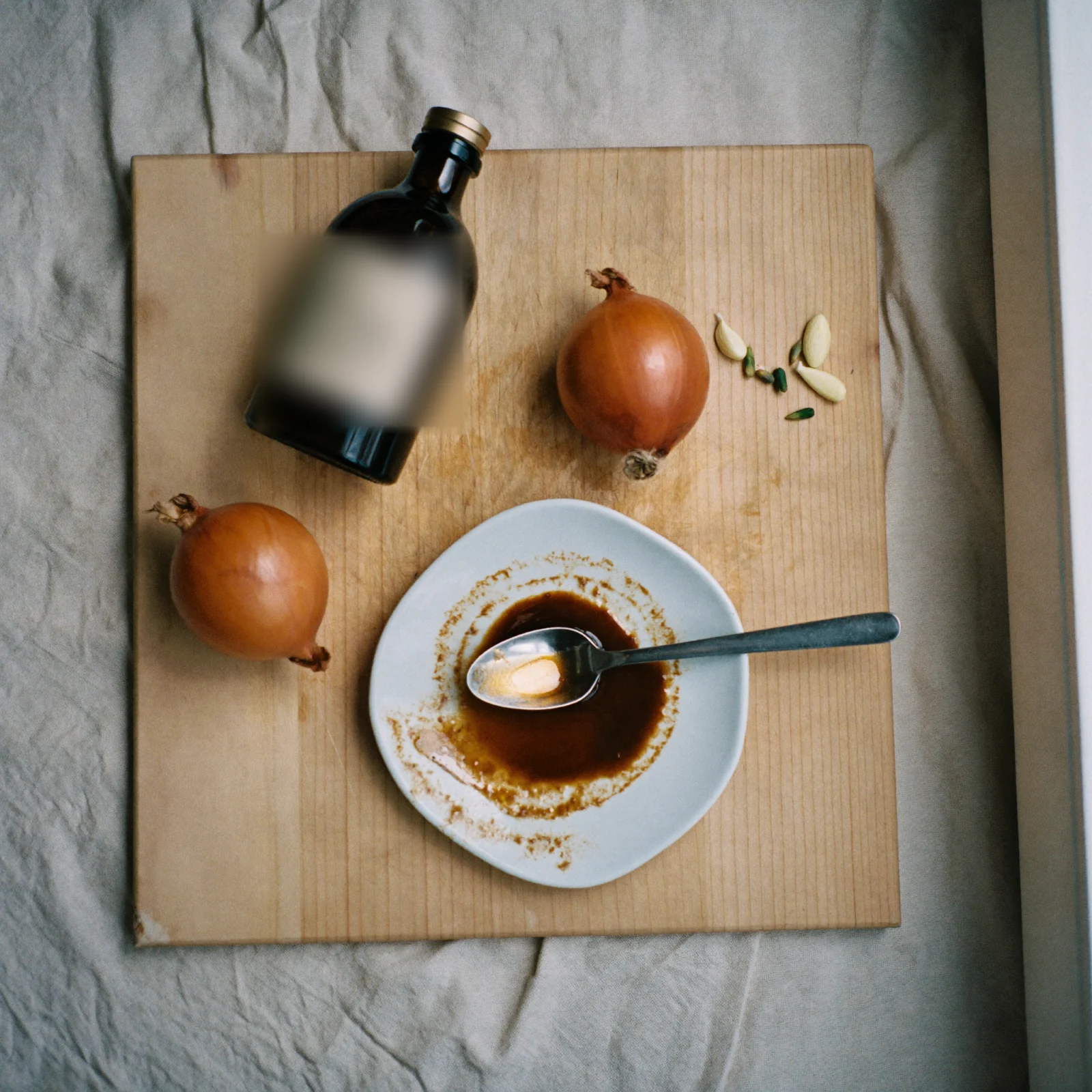
About 1 year
Sealed, cool and dark at 70°F; Clemson says 30 months (K-State, Clemson)
After opening
K-State prints refrigerate after opening, but publishes no separate day count
No figure
None of the extension sources we opened covers freezing Worcestershire sauce
The short version: to store Worcestershire sauce well, keep the bottle sealed in a cool, dark cupboard away from the cooker, refrigerate it once you open it, shake it before you pour, and judge an old bottle by mold, a bulge or a smell rather than by the date.
Storage times here come from K-State Research and Extension and Clemson Cooperative Extension, while the handling rules come from University of Wisconsin-Madison Extension, the University of Georgia and Ohio State University Extension.
On this page
Why does Worcestershire sauce keep so long?
Worcestershire sauce keeps because it is mostly vinegar and salt, and Kraft Heinz lists distilled white vinegar first on the Lea and Perrins label. Acid and salt are what hold a shelf-stable bottle together. So four things decide how long yours lasts.
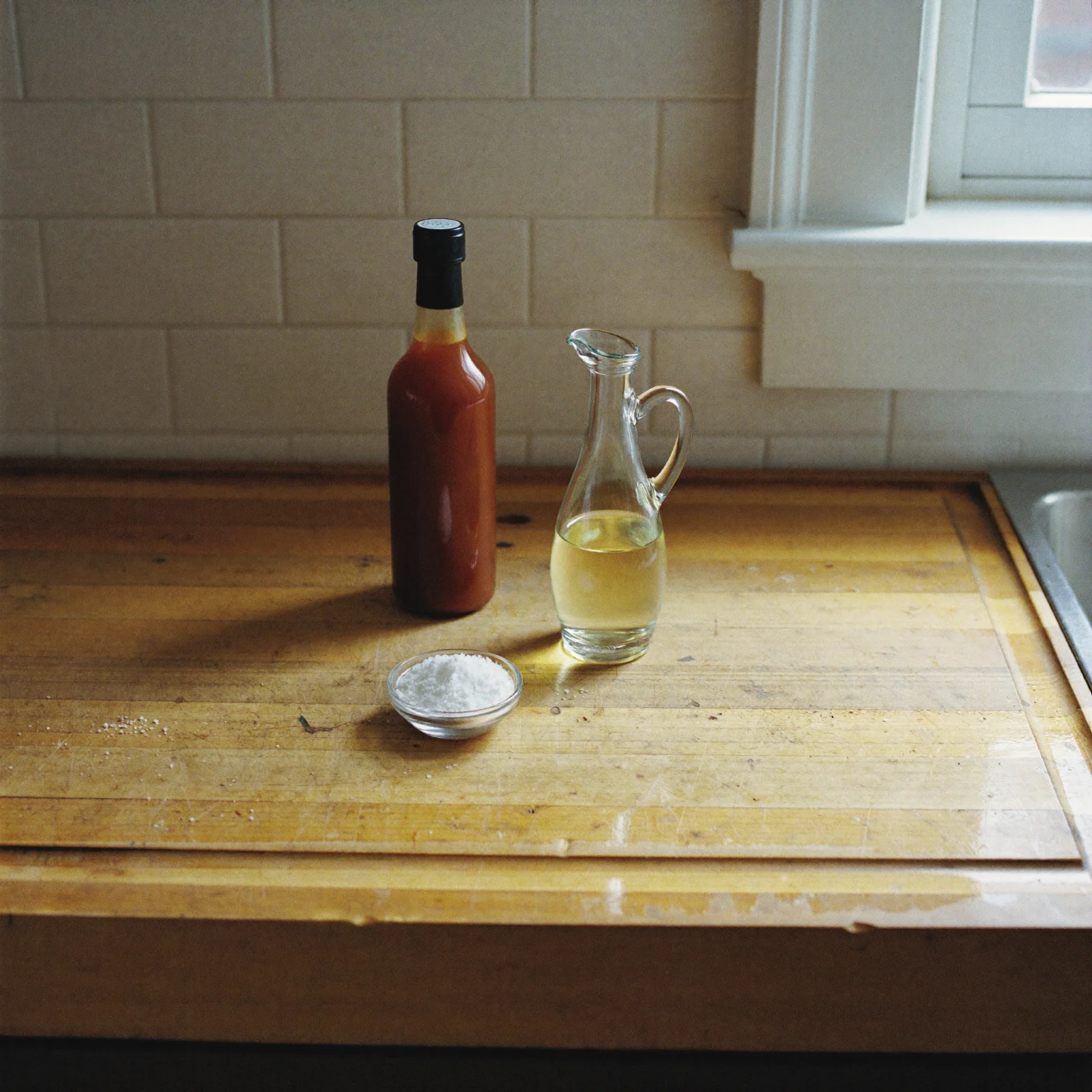
Vinegar first and salt fifth, because that is what keeps the bottle stable.
Vinegar is the first ingredient. Kraft Heinz puts distilled white vinegar at the head of the Lea and Perrins label, while Clemson Cooperative Extension puts vinegar between pH 2.40 and 3.40. Ohio State University Extension says vinegar may be kept in a cool, dark place almost indefinitely, so the base of the sauce is doing most of the work.
Salt and acid together are hostile to bacteria. University of Wisconsin-Madison Extension cites work on ketchup, since all Salmonella died within 1 day in ketchup at room temperature, while E. coli O157:H7 died off within 2 days. Worcestershire sauce is not ketchup, but it sits in the same acidic family.
Where you bought it decides where it lives. Carla Schwan, the food safety specialist at the University of Georgia, gives one rule of thumb: if you bought it from the refrigerated section at the store, it should stay in the fridge at home. Worcestershire sauce comes off the ambient shelf, so the cupboard is its starting place.
The date is a quality date. Clemson Cooperative Extension says quality is not the same as safety, and it adds that storage does not improve the quality of any food. So the printed date marks when the flavor was at its best, rather than when the bottle turns.
How to store Worcestershire sauce so it lasts
To store Worcestershire sauce so it lasts, keep it sealed, cool and dark, then move it to the fridge once it is open. Heat and light are what cost you flavor, whereas the acid handles the rest.
How long does Worcestershire sauce last in the pantry?
Worcestershire sauce keeps about 1 year at 70°F, according to K-State Research and Extension. Its cupboard chart lists hot sauce and worcestershire together at that figure, with a note to refrigerate after opening. Clemson Cooperative Extension is far more generous, though, because its pantry factsheet gives Tabasco, vinegar and Worcestershire sauce 30 months. Both are extension services, and neither page has been withdrawn. So take the shorter figure, since the K-State chart was revised in June 2026 and the Clemson one in March 2020. Even at 30 months, Clemson is describing quality rather than safety.
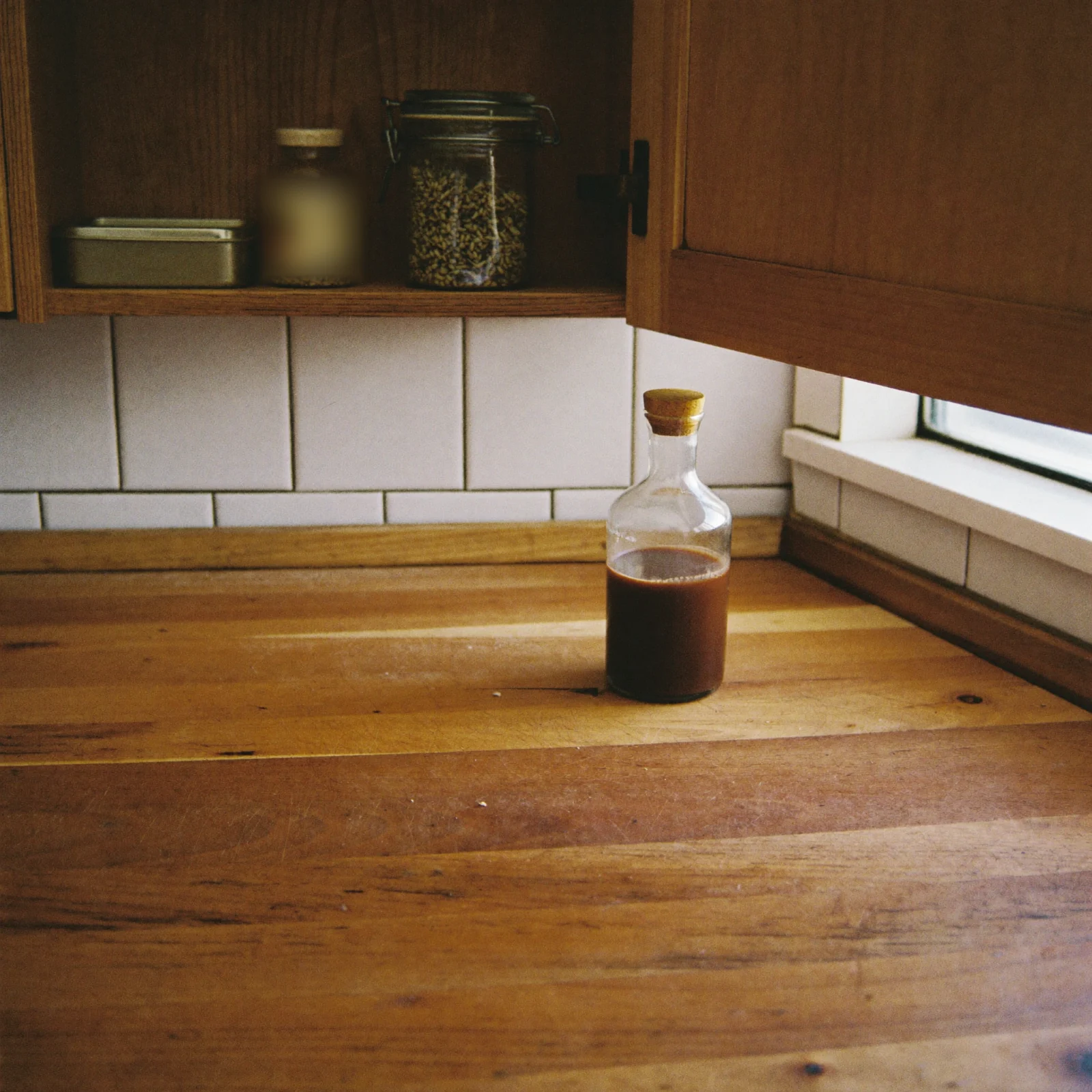
Sealed, cool and dark, because heat and light are what cost you flavor.
Where in the kitchen should the bottle go?
Keep the Worcestershire sauce bottle in a cool, dark, dry cupboard, as Ohio State University Extension advises for pantry foods. It warns that cabinets above the range, near the dishwasher or beside the refrigerator exhaust run warm, so those are the wrong doors. Warmth costs you time, because the same factsheet says foods stored above 70°F have a shorter shelf life. Clemson Cooperative Extension works to 65 to 70°F for its own pantry times. K-State Research and Extension adds the simplest rule, since it says to store foods away from heat sources like appliances and the sun.
So the cupboard beside the cooker is the one to avoid. Light matters as much as heat, because the University of Georgia says light and warmth speed oxidation.
Do you have to refrigerate Worcestershire sauce after opening?
Refrigerate Worcestershire sauce once it is open, because K-State Research and Extension prints refrigerate after opening beside its one-year figure. Clemson Cooperative Extension points the same way, since it says that once a container is opened it becomes perishable. The reason is quality rather than danger, though. University of Wisconsin-Madison Extension says condiments keep their quality better in the refrigerator once opened. In fact it calls that the primary reason that package instructions indicate refrigerate after opening. So the fridge is the safer habit, even if the cupboard is unlikely to hurt you.
What if you left the bottle out overnight?
A bottle of Worcestershire sauce left out overnight is almost certainly fine, since University of Wisconsin-Madison Extension says not to panic. It asks you to transfer items to the refrigerator as soon as possible instead. The one real risk is contamination, because the same page warns about a basting brush that touched raw meat or a knife that was licked clean. So wipe the neck, cap it and put it back. For anything that is not a shelf-stable condiment, the food left out overnight hub has the rules.
Does the date on the bottle mean anything?
The date on a Worcestershire sauce bottle is a quality date, since Clemson Cooperative Extension says plainly that quality is not the same as safety. It also notes that a pack date does not tell you how long the food will be good. So treat the date as a hint and the bottle as the evidence. K-State Research and Extension gives the same advice in six words, because its cupboard sheet ends with when in doubt, throw it out. The honey guide hits the same gap, where the published figures stop long before the jar does.
Is sediment in Worcestershire sauce normal?
Sediment in Worcestershire sauce is almost certainly normal, although no extension service we opened publishes a word about it. The label tells you what settles. Kraft Heinz lists molasses, onions, anchovies, garlic, cloves and tamarind extract, so there are plenty of solids in the bottle. So a dark layer at the bottom of a still bottle is the sauce, not a verdict. Judge the bottle by what is actually published instead. Clemson Cooperative Extension names those signs: a bulging lid, a leak, spurting liquid, an off odor or mold.
Should you shake the bottle before using it?
Shake the Worcestershire sauce bottle before you pour, although no source we opened puts that in writing. The reasoning is the ingredient list rather than a rule, since molasses, onions and anchovies all settle. What shaking cannot fix is the slow part. The University of Georgia says bright sauces darken and fiery flavors fade, given enough time. A tight cap slows that, because K-State Research and Extension asks you to keep containers covered and to check packages for damage. So cap it hard, keep it dark, and shake it next time.
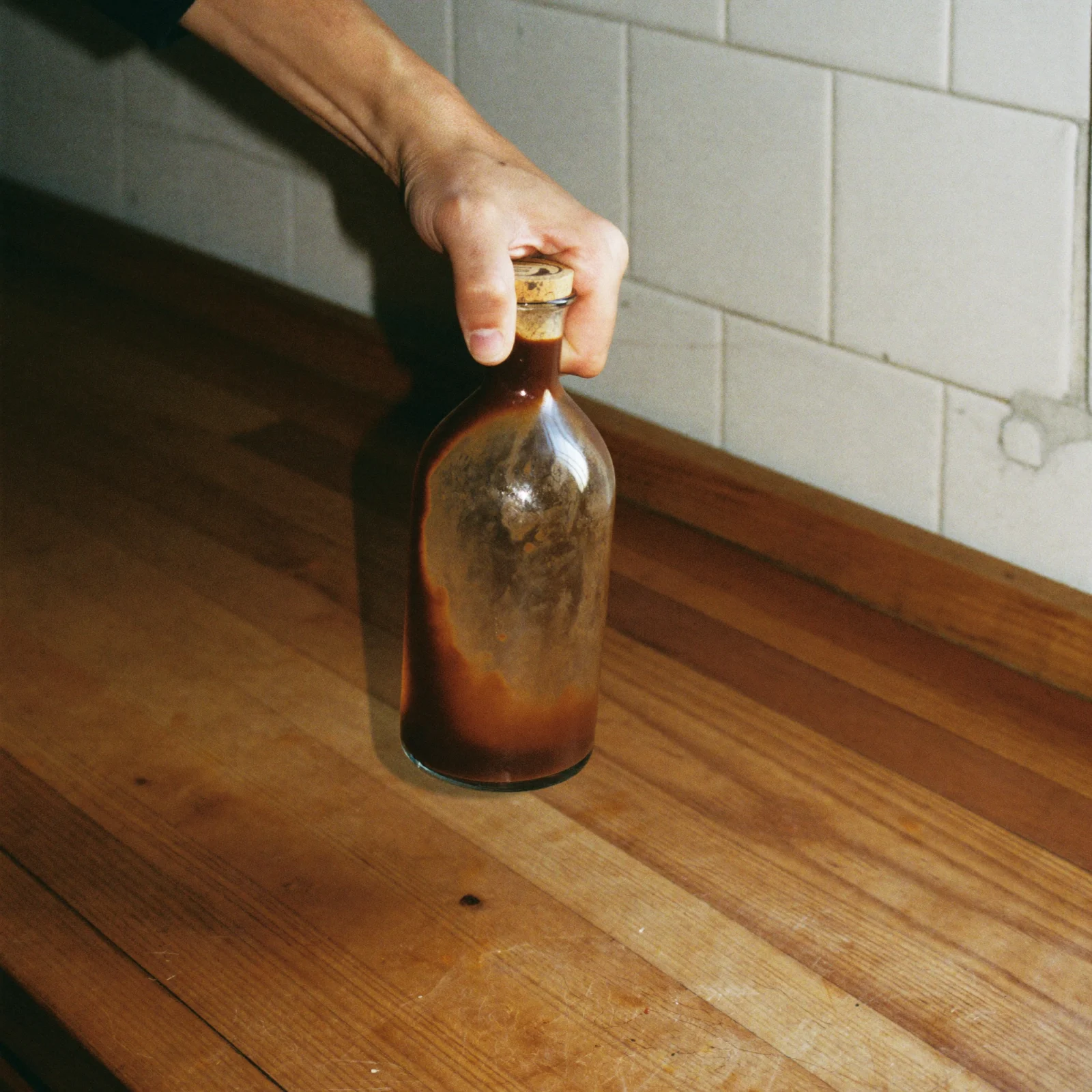
Shake it, because the molasses and the anchovy settle out between pours.
Can you freeze Worcestershire sauce?
None of the extension sources we opened tells you to freeze Worcestershire sauce, and none forbids it either. K-State Research and Extension stops at the cupboard and the fridge, while Clemson Cooperative Extension gives the bottle 30 months on a shelf. So the freezer never comes up, because nothing about the product needs it. A bottle that keeps a year at room temperature is not the problem a freezer solves. So we are leaving this one open rather than filling it in. For a condiment that genuinely does need the cold, the apple cider guide is next door.
Does Worcestershire sauce lose its flavor?
Worcestershire sauce fades rather than spoils, because the University of Georgia describes the pattern: dressings separate, bright sauces darken and fiery flavors fade, given enough time. Light and warmth speed that up, as the same page notes. Clemson Cooperative Extension makes the blunter point, since it says storage does not improve the quality of any food. So the cupboard is about holding the line rather than gaining ground. A faded bottle is still a cooking bottle, though, because heat and other ingredients cover a lot. Cocktail sauce follows the same pattern, as the cocktail sauce guide explains.
How to tell if Worcestershire sauce has gone bad
Worcestershire sauce rarely goes bad, and that is the honest headline. Three of the five stages below are about flavor and settling rather than safety, whereas two end the bottle. Clemson Cooperative Extension sets the bar, because it names a bulging lid, a leak, spurting liquid, an off odor and mold. Here is what each stage looks like, then.
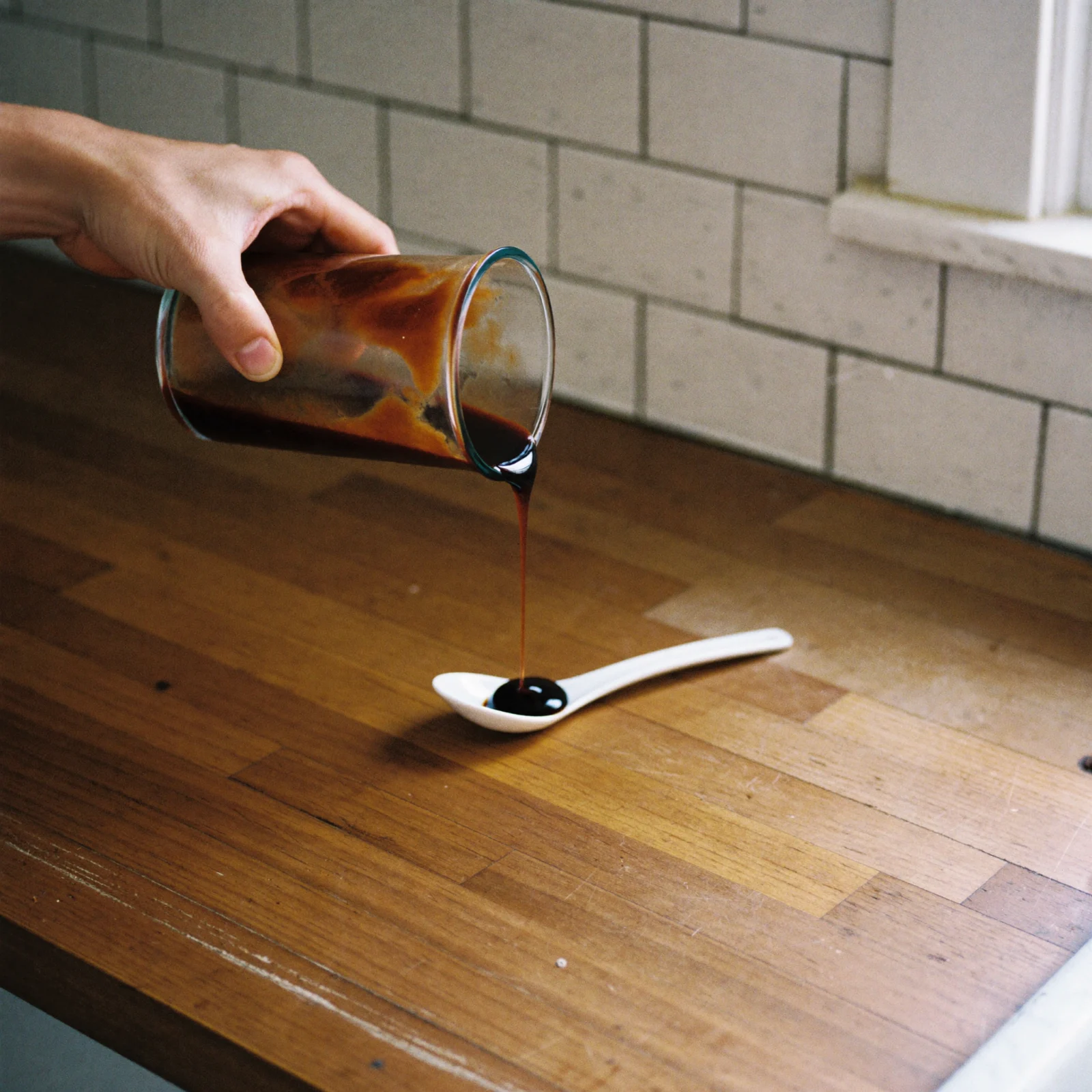
Verdict: use it
Thin, dark Worcestershire sauce
Dark brown, thin enough to pour freely, and sharp on the nose. This is a bottle well inside its window, so use it anywhere the recipe asks.
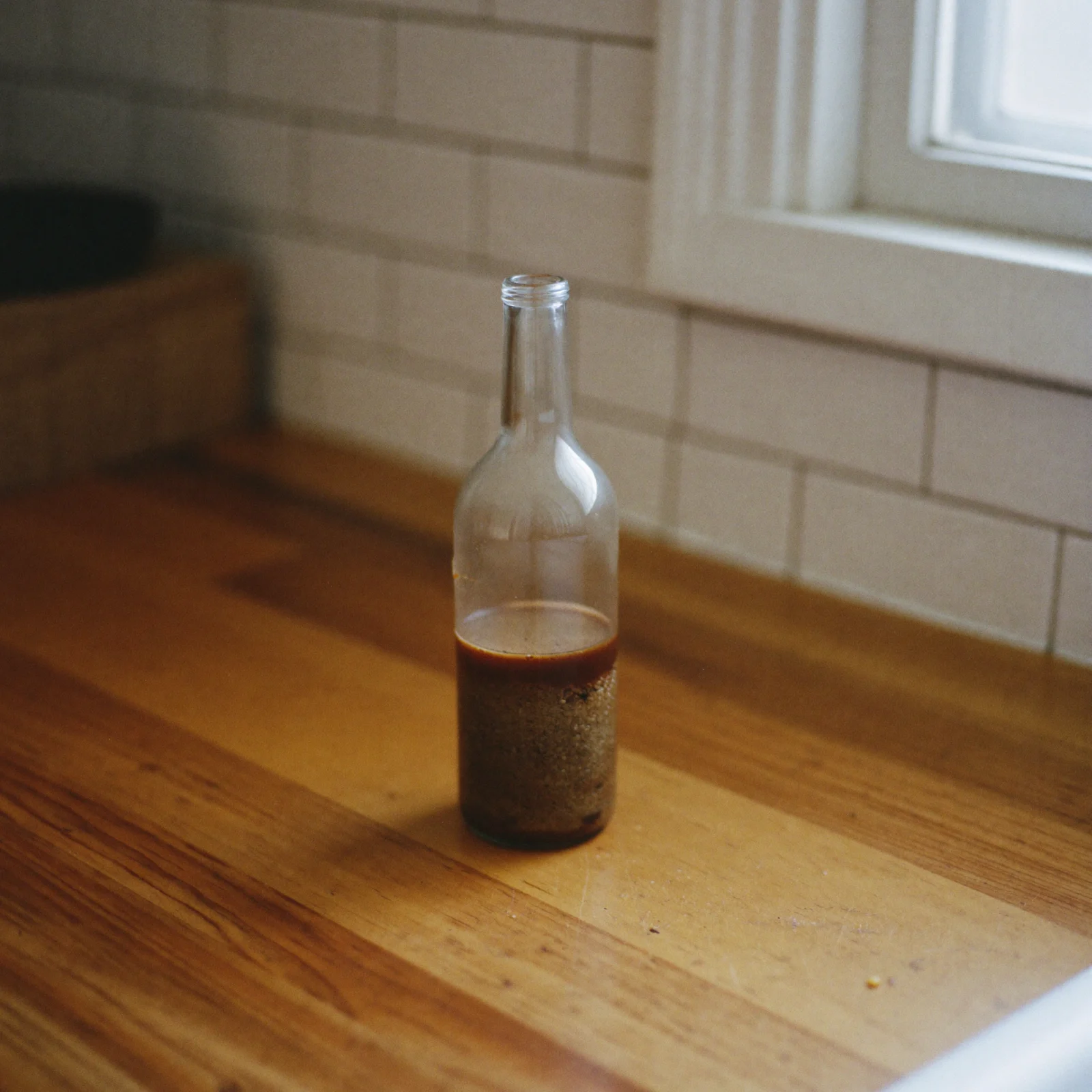
Verdict: shake it and use it
Settled Worcestershire sauce
A darker sludge at the bottom and a thinner layer above it. That is the molasses, onion and anchovy on the label settling out, rather than spoilage. So shake the bottle, then smell it.
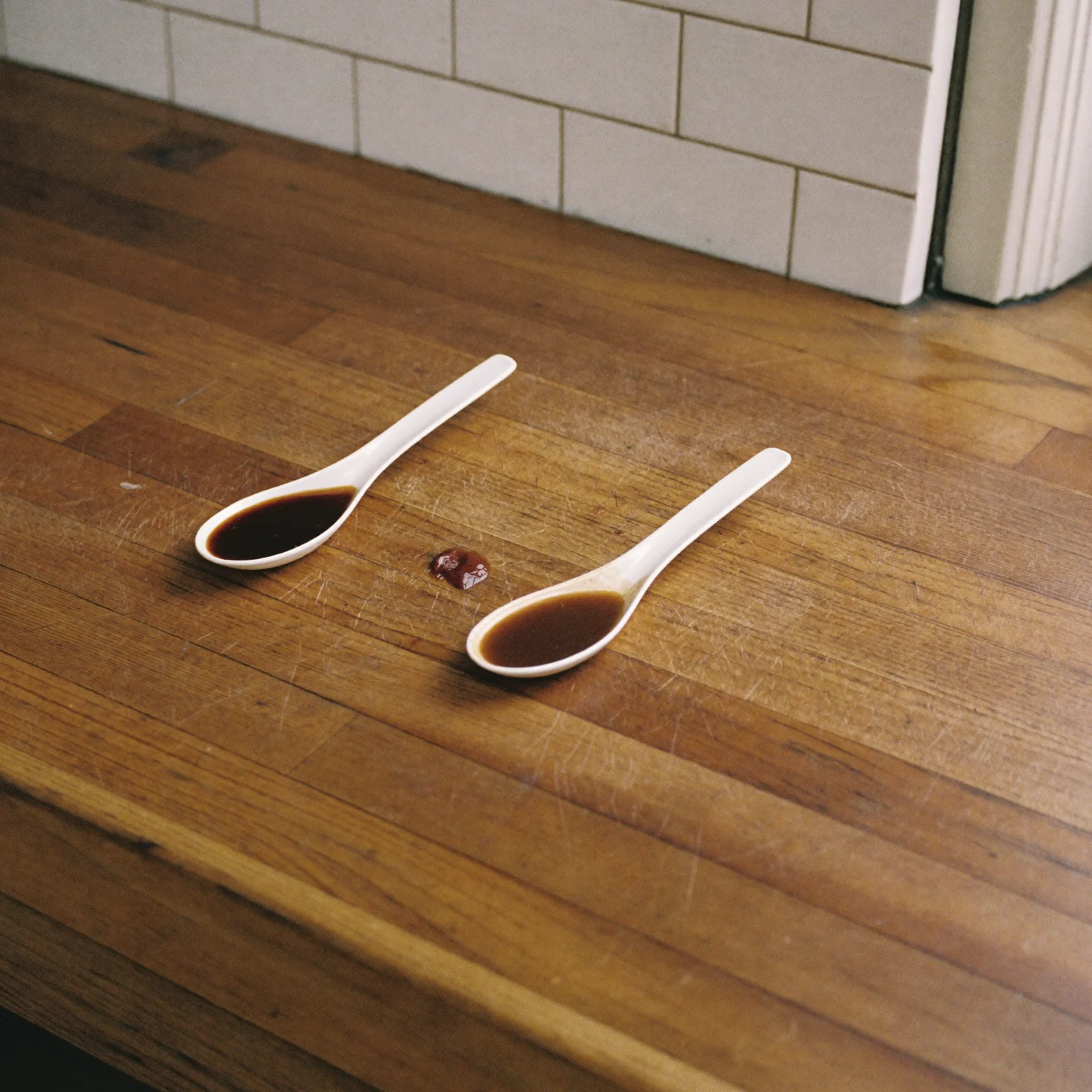
Verdict: cook with it
Faded Worcestershire sauce
Darker than you remember, and flat where it used to be sharp. The University of Georgia describes exactly this, since it says bright sauces darken and fiery flavors fade, given enough time. Nothing here is unsafe, so pour it into a stew or a marinade where the heat will carry it.
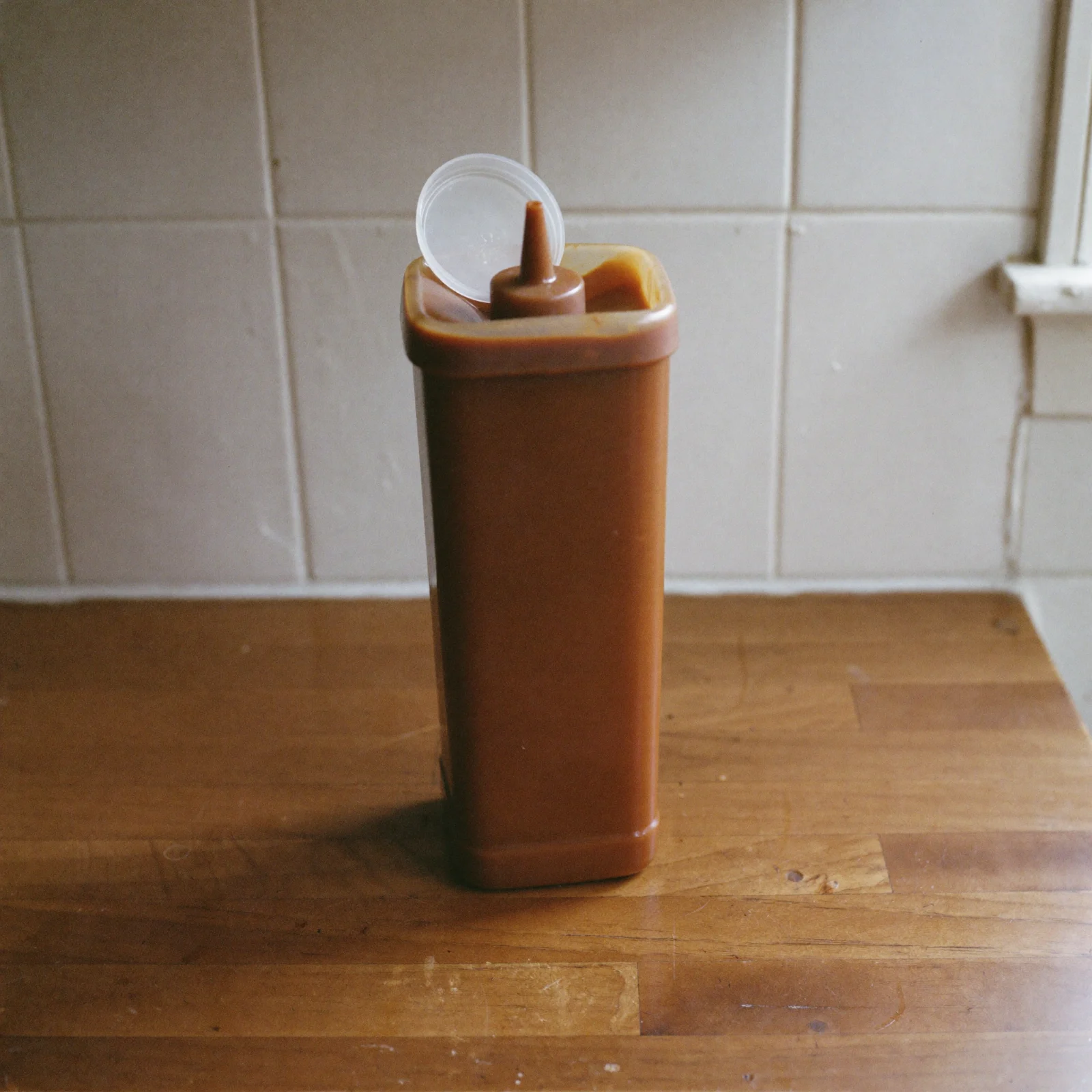
Verdict: throw it out
Bulging Worcestershire sauce bottle
A lid that domes, a plastic bottle that has puffed, or liquid that spurts when you open it. Clemson Cooperative Extension calls a bulging lid or a leaking container a sign of spoilage, and it lists spurting liquid among the things to check on opening. So empty the bottle rather than tasting it, because the same factsheet says spoiled foods should be discarded.
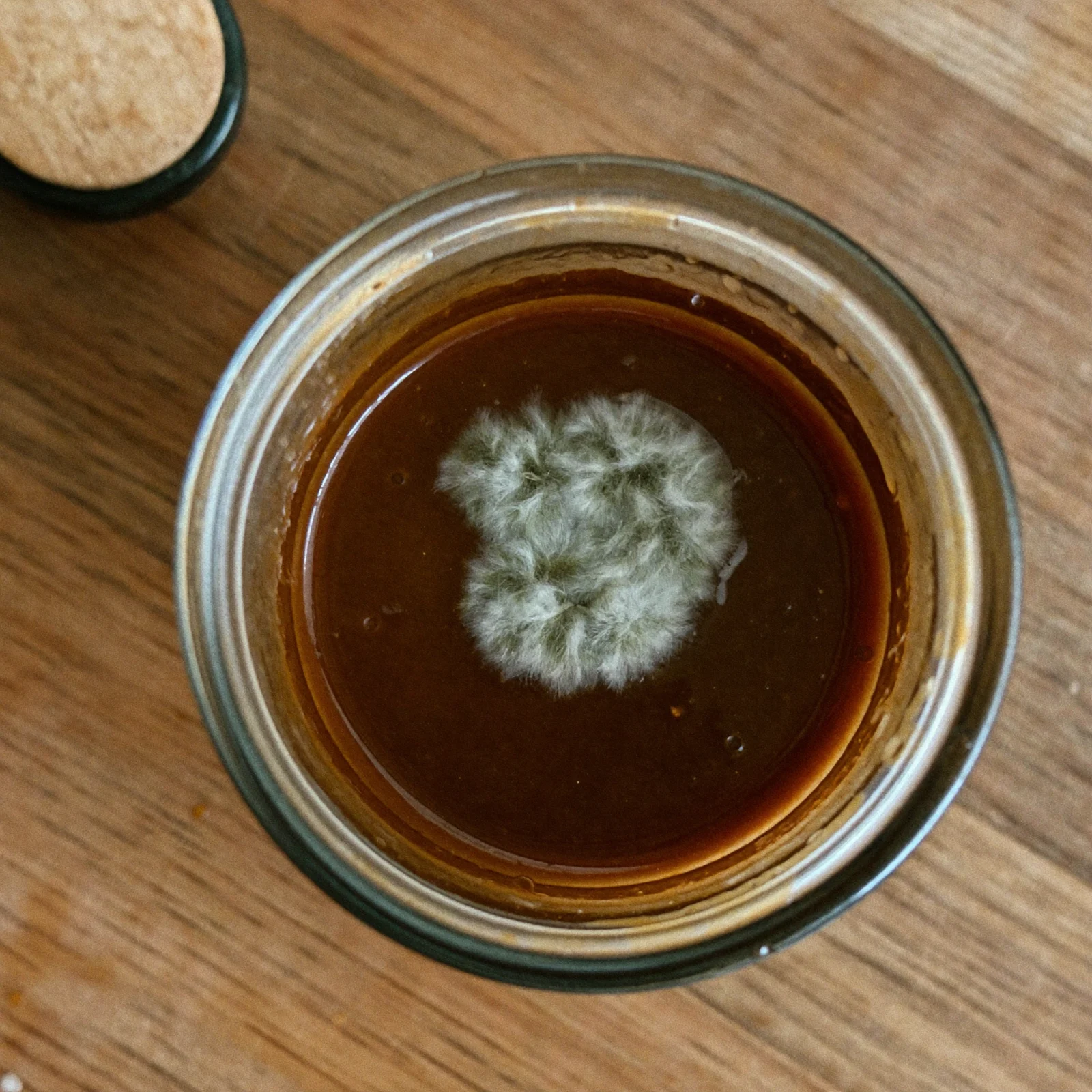
Verdict: throw it out
Worcestershire sauce with an off smell or mold
A foul or musty smell instead of a sharp, vinegary one, or fuzz on the surface or under the cap. Both are rare in a sauce this sharp and salty. Still, Clemson Cooperative Extension lists an off odor and mold among the signs of spoilage, and N.C. Cooperative Extension says mold spreads easily in liquids. So empty the bottle rather than skimming it.
Can you use Worcestershire sauce past its best-before date?
Yes, as long as the bottle passes the checks above. Clemson Cooperative Extension says quality is not the same as safety, and it warns that a pack date does not tell you how long the food will be good. The two published figures bracket the question, since K-State Research and Extension gives the bottle 1 year at 70°F while Clemson gives it 30 months. Neither one is a safety deadline. So look for mold, a bulge and an off odor first, then let the date come second.
Worcestershire sauce substitutes
Out of Worcestershire sauce, or did the last bottle have to go? Then one of these will stand in.
Substitute
Works best in
What changes
Soy sauce
Marinades and stir-fries
Salty and savory, but without the tamarind tang.
Soy sauce with a splash of vinegar
Burgers and meatloaf
Covers both the salt and the acid.
Fish sauce
Braises and dressings
Stronger and sharper, so use less of it.
Balsamic vinegar
Stews and glazes
Sweeter and thicker, with no anchovy in it.
Mistakes people make when they store Worcestershire sauce
These are the ways people store Worcestershire sauce that cost them the most, and each one has a quick fix.
Keeping the bottle in the cupboard above the cooker. Ohio State University Extension warns that those cabinets run warm, so move it lower down.
Leaving it in the cupboard after opening. K-State Research and Extension prints refrigerate after opening, so give it a fridge shelf.
Binning a bottle because of sediment. The label is full of solids that settle, so shake it and smell it instead.
Trusting the printed date over the bottle. Clemson Cooperative Extension says quality is not the same as safety, so check for mold and a bulge first.
Dipping a basting brush into the bottle. University of Wisconsin-Madison Extension warns about brushes that touched raw meat, so pour into a dish instead.
Leaving the cap loose. Light and warmth speed oxidation, as the University of Georgia notes, so close it properly after every pour.
Panicking over a bottle left out overnight. University of Wisconsin-Madison Extension says not to panic, so just move it back to the fridge.
Sources
Safe Food Storage: The Cupboard, Karen Blakeslee, K-State Research and Extension publication MF3131, revised June 2026, on hot sauce and worcestershire keeping 1 year at 70°F with a note to refrigerate after opening, storing foods in a cool, dry, dark place away from heat sources like appliances and the sun, checking packages for damage, and when in doubt, throw it out. Adapted from the USDA FoodKeeper, the University of Missouri and North Dakota State University.
Food Storage: Pantry, Pamela Schmutz and E. H. Hoyle, Clemson Cooperative Extension factsheet HGIC 3525, revised March 2020, on Tabasco, vinegar and Worcestershire sauce keeping 30 months, a cool, dry pantry at 65 to 70°F, quality not being the same as safety, storage not improving the quality of any food, and a pack date not telling you how long the food will be good.
Safety of Stored Foods, Pamela Schmutz and E. H. Hoyle, Clemson Cooperative Extension factsheet HGIC 3520, revised April 2020, on a refrigerator at 40°F or below, a pantry at 50 to 70°F, storage time dropping above 75°F, an opened container becoming perishable, a bulging lid or leaking container being a sign of spoilage, checking for spurting liquid, an off odor or mold on opening, and discarding spoiled food.
Pantry Food Storage, Lesley Fisher and Lydia Medeiros, Ohio State University Extension factsheet HYG-5401, December 2010, on foods stored above 70°F having a shorter shelf life, cabinets above the range, near the dishwasher or beside the refrigerator exhaust running warm, and vinegar keeping in a cool, dark place almost indefinitely.
What's Up with Condiments?, Barb Ingham, University of Wisconsin-Madison Division of Extension, Winnebago County, July 2020, on condiments keeping quality better in the refrigerator once opened as the primary reason packages say refrigerate after opening, not panicking over items left out overnight, contamination from a basting brush that touched raw meat or a knife that was licked clean, and Salmonella dying within 1 day in ketchup at room temperature while E. coli O157:H7 died off within 2 days.
Food safety specialist chimes in on condiment storage, UGA Today, University of Georgia, November 2025, quoting food safety specialist Carla Schwan that if you bought it from the refrigerated section at the store it should stay in the fridge at home, and reporting that dressings separate, bright sauces darken and fiery flavors fade, and that light and warmth speed oxidation.
pH Values of Common Foods and Ingredients, Barbara Ingham, hosted by Clemson Cooperative Extension, on vinegar measuring pH 2.40 to 3.40 and molasses pH 5.0 to 5.5.
Lea and Perrins The Original Worcestershire Sauce, Kraft Heinz, the manufacturer's product page, on the ingredient list: distilled white vinegar, molasses, sugar, water, salt, onions, anchovies, garlic, cloves, tamarind extract, natural flavorings and chili pepper extract.
Moldy Foods: Use or Pitch, Cheryle Syracuse, N.C. Cooperative Extension, Brunswick County Center, September 2024, on pitching beverages and other liquids when moldy, mycotoxins spreading easily in liquids, and mold roots reaching below what you can see.
Storage times and safety advice on this page come from the sources above. Food safety depends on conditions I cannot see, so read the Disclaimer, and if in doubt, throw it out.
Other ingredient guides
Browse all guides



Share this guide
Never miss a guide
New ingredient guides when they go up, plus one storage tip worth knowing. Anything sponsored is labelled.

Emilly White