
Not at all
Throw it out after 2 hours above 40°F (FDA, UF/IFAS)
5 days to 2 weeks
Covered, on a shelf, 33 to 40°F; sources differ (NDSU, Clemson)
Up to 3 months
0°F, texture changes, thaw in the fridge (Clemson)
The short version of how to store milk: keep it covered in its own container on a shelf inside the fridge. Below 40°F is the target, and never the door. NDSU Extension gives homogenized milk 5 days there, while Clemson and Connecticut both say about two weeks. So go by smell near the end. Milk should never sit above 40°F for more than 2 hours. You can freeze it at 0°F for up to 3 months, although Virginia Tech advises against it.
Storage times here come from Virginia Cooperative Extension, NDSU Extension and Clemson Cooperative Extension. The freezing advice comes from the University of Missouri and Mississippi State, while the 2-hour rule comes from the FDA.
On this page
What should you check before you store milk?
Four things decide how long the carton lasts, and three of them happen before you get home. So check the date, and check that the carton is already properly cold. Then choose an opaque carton over a clear jug, and put the milk in your trolley last. In other words, the milk spends the least possible time above 40°F.
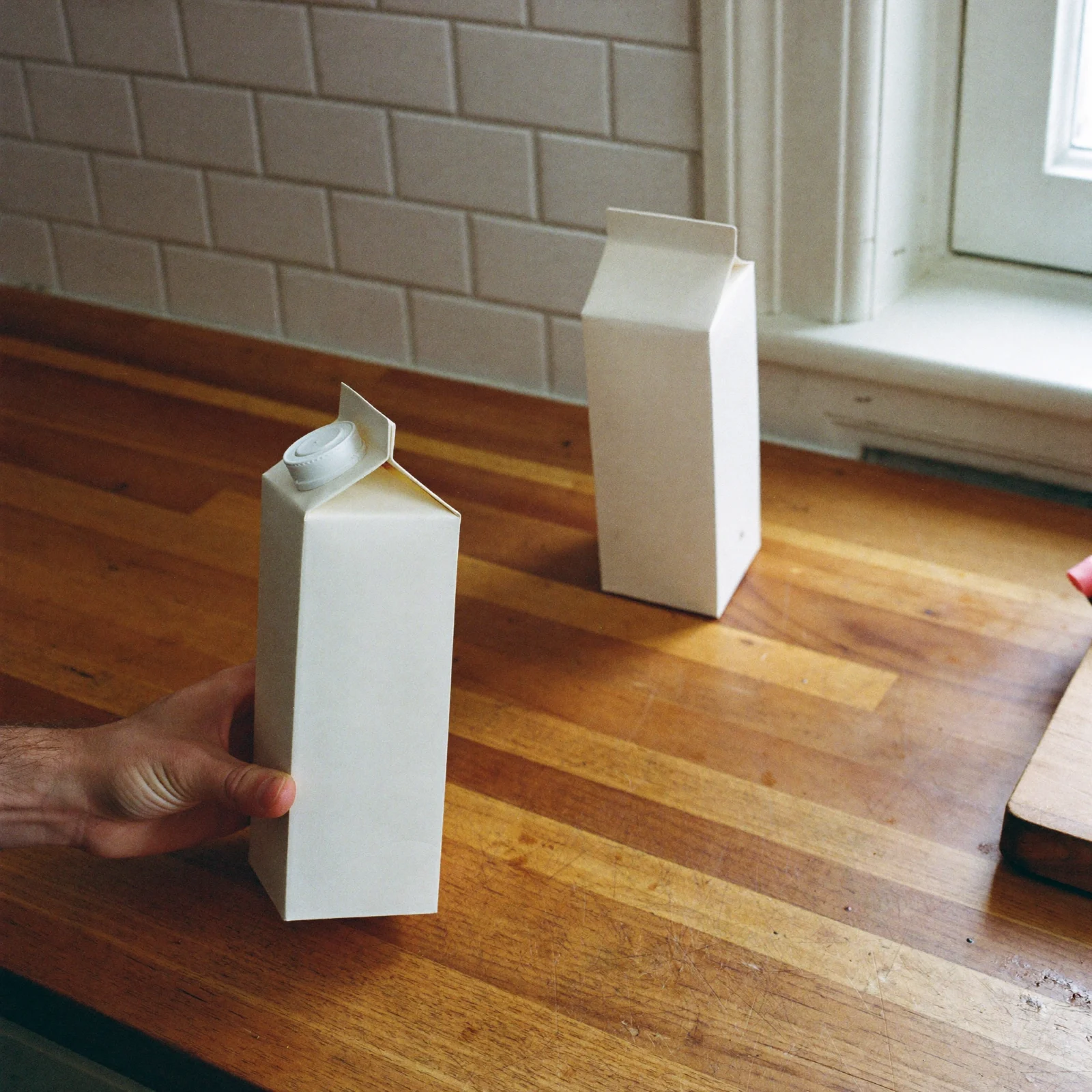
Check the date, and pick an opaque carton over a clear jug.
Cold carton, furthest date, opaque pack, and into the fridge fast.
The furthest-out date on the shelf. Virginia Cooperative Extension puts the shelf life of fluid milk below 40°F at 8 to 20 days. That range is wide because it depends on when the milk was processed, and also on how the shop kept it.
A carton that already feels properly cold. Connecticut’s Department of Agriculture puts the legal limit for Grade A milk below 40°F. It also says the colder milk is kept, the longer it lasts, so a lukewarm carton has already lost days.
An opaque carton rather than a clear jug. Light destroys certain vitamins in milk, such as vitamin D and riboflavin, according to Alberta Milk. That is also why milk is best left in the container it came in.
A size you will actually finish. Milk is on a clock the moment it is opened. So two small cartons beat one big jug, since half of the big one usually goes down the sink.
How to store milk so it lasts
To store milk so it lasts, put it on a shelf inside the fridge and keep the lid on. Then get it back into the cold quickly every time. Temperature does almost all the work here, since milk spoils on a curve that steepens with every degree.
Where should you store milk in the fridge?
Store milk on a shelf inside the fridge rather than in the door. The door is the one spot that warms up every time the fridge opens. Alberta Milk says to keep milk on refrigerator shelves where it is cooler, rather than in the refrigerator doors. The FDA asks for 40°F or below, and it also warns against overpacking. Cold air must circulate around refrigerated foods, so leave the carton some room. Keep the lid on as well, because milk takes on the smell of whatever sits next to it.
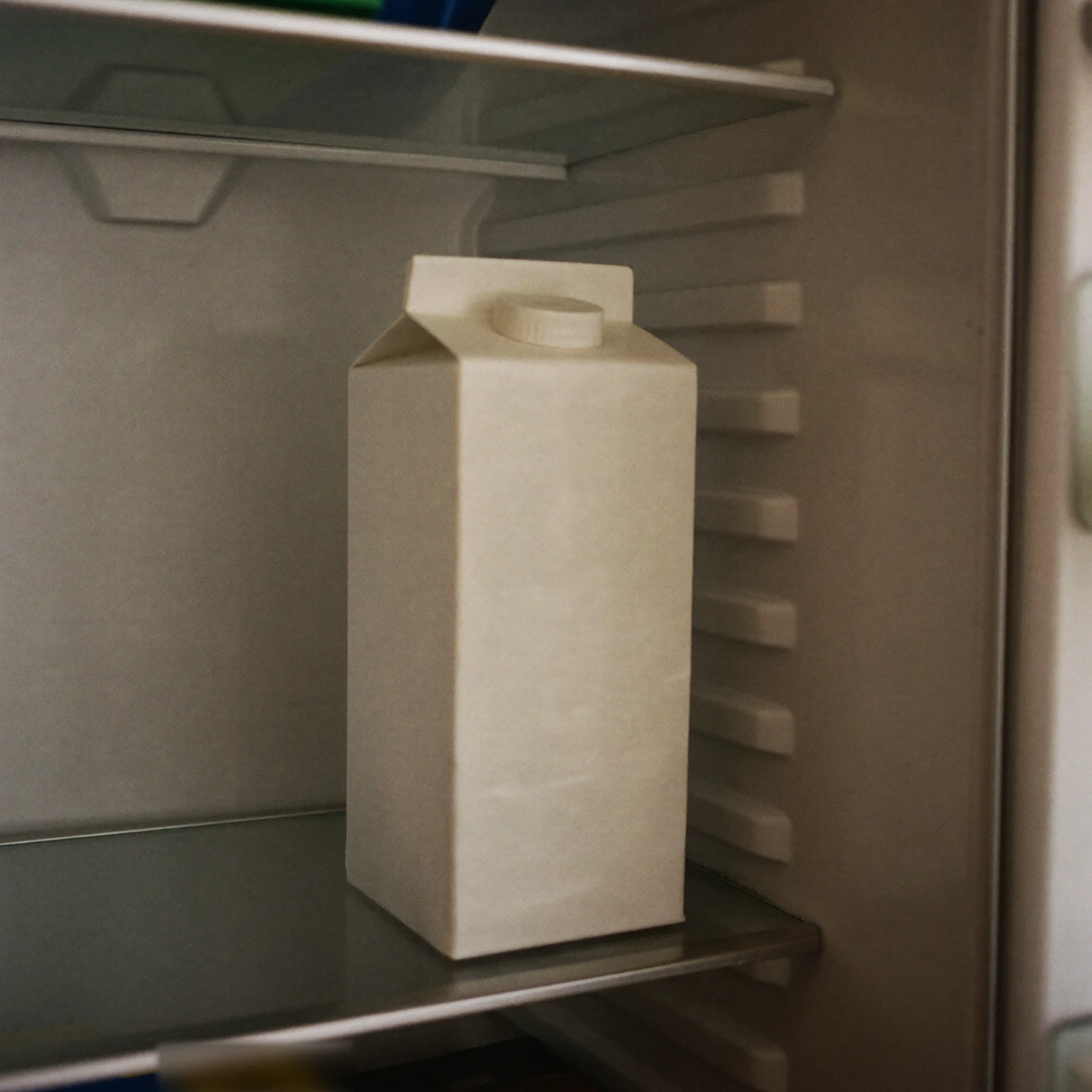
On a shelf at 40 degrees or below, never in the door.
A shelf inside, never the door, and the lid always on.
How long does milk last in the fridge?
Opened milk keeps 5 days to 2 weeks in the fridge, and the published figures genuinely disagree. NDSU Extension’s storage chart gives homogenized milk 5 days. Virginia Cooperative Extension, however, puts fluid milk below 40°F at 8 to 20 days from processing. Clemson Cooperative Extension and Connecticut’s Department of Agriculture both land on about two weeks. So treat 5 days as the figure you can lean on, and everything past it as a smell test. That is because your own fridge decides which end of that range you get.
In other words, the chart tells you when to start paying attention, not when to pour it away. Milk that still smells sweet on day 12 is fine, while milk that smells sour on day 4 is not. How warm your fridge runs matters more than the calendar does.
How long is milk good after the sell-by date?
Milk is usually good for 1 to 5 days after the sell-by date, according to Clemson Cooperative Extension. That date is about stock rotation in the shop rather than your safety. So a carton kept properly cold often outlives it. Virginia Cooperative Extension simply lists fresh milk as keeping until the package use-by date. That is also the more cautious reading of the same thing. Either way, smell the milk before you pour it, because no printed date knows your fridge.
Can you leave milk out overnight?
No, and milk left out overnight goes down the sink. Clemson Cooperative Extension says plainly that milk should not be left out at room temperature. UF/IFAS Extension sets the limit at 2 hours, or 1 hour once the room is above 90°F. Bacteria grow quickly between 40 and 140°F, so a warm car counts too. That is why our food left out overnight hub and the power outage guide both put milk on the discard list.
Does milk go bad faster once you open it?
Yes, because opening the carton lets in both air and bacteria from the kitchen. Clemson Cooperative Extension asks you to refrigerate milk immediately in its original container, and to keep that container closed. It also says to pour out what you need, instead of leaving the carton on the counter through breakfast. NDSU Extension adds the rule people break most often: do not return unused milk to the original container. The same logic runs through the buttermilk and yogurt guides, since a clean spoon does that job there.
Can you freeze milk?
Yes, but the extension services disagree about whether you should. Clemson Cooperative Extension says milk can be stored frozen at 0°F for up to three months. It will be safe to drink if it is thawed in the refrigerator, although it does not retain its smooth texture. Virginia Cooperative Extension takes the opposite line, because thawed milk separates easily and is prone to off flavors. NDSU Extension sits in between. Its freezing guide says pasteurized homogenized milk may be frozen, while its storage chart lists the freezer as not recommended.
How do you freeze milk?
Pour a little milk off first, then freeze the rest at 0°F in a freezer-safe container. The University of Missouri Extension asks for at least half an inch of headspace in pint jars, and an inch in quart jars. That is because milk expands as it freezes. Mississippi State University Extension puts the same idea more roughly: remove an inch or two before freezing. Thaw it in the fridge rather than on the counter. Then shake it or run it through the blender, since the fat and solids settle out.
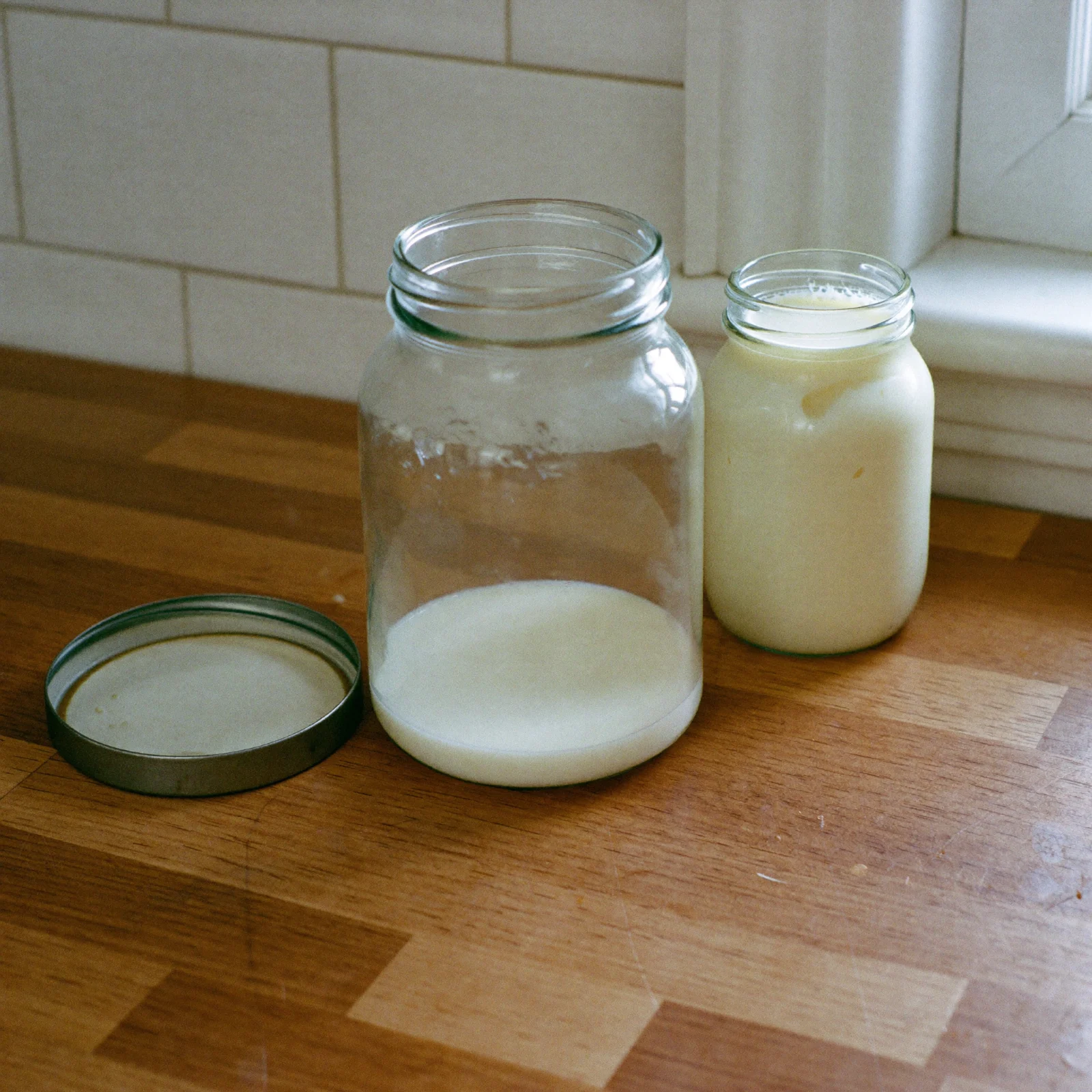
An inch of headspace at 0 degrees, because milk expands.
Leave an inch of room, freeze at 0°F, thaw in the fridge, then shake.
How long does milk last in the freezer?
Frozen milk keeps up to three months at 0°F, according to Clemson Cooperative Extension. That is the one source we opened that puts a number on it. The University of Missouri Extension gives no duration at all. But it does say to use thawed milk within a few days. Mississippi State University Extension is stricter still, since it wants it used immediately. So three months is the outside limit for quality, while the days after thawing are the real deadline.
Why does thawed milk look separated?
Thawed milk separates because its fat and protein thaw faster than its water, as Mississippi State University Extension explains. Frozen milk may also take on a yellow tinge. The University of Missouri Extension treats that as normal rather than a warning sign. Shaking or whisking brings the texture most of the way back. NDSU Extension is honest, however, that some quality change may be noted upon thawing. Use separated milk in porridge, baking or a sauce, where nobody will notice it.
How to tell if milk has gone bad
Milk tells you it has gone off well before it can hurt you. That is why the smell test works so well on it. Clemson Cooperative Extension names the three signs: sour odor, off-flavor and curdled consistency. Three of the five stages below are still fine to use, so here is what each one means.
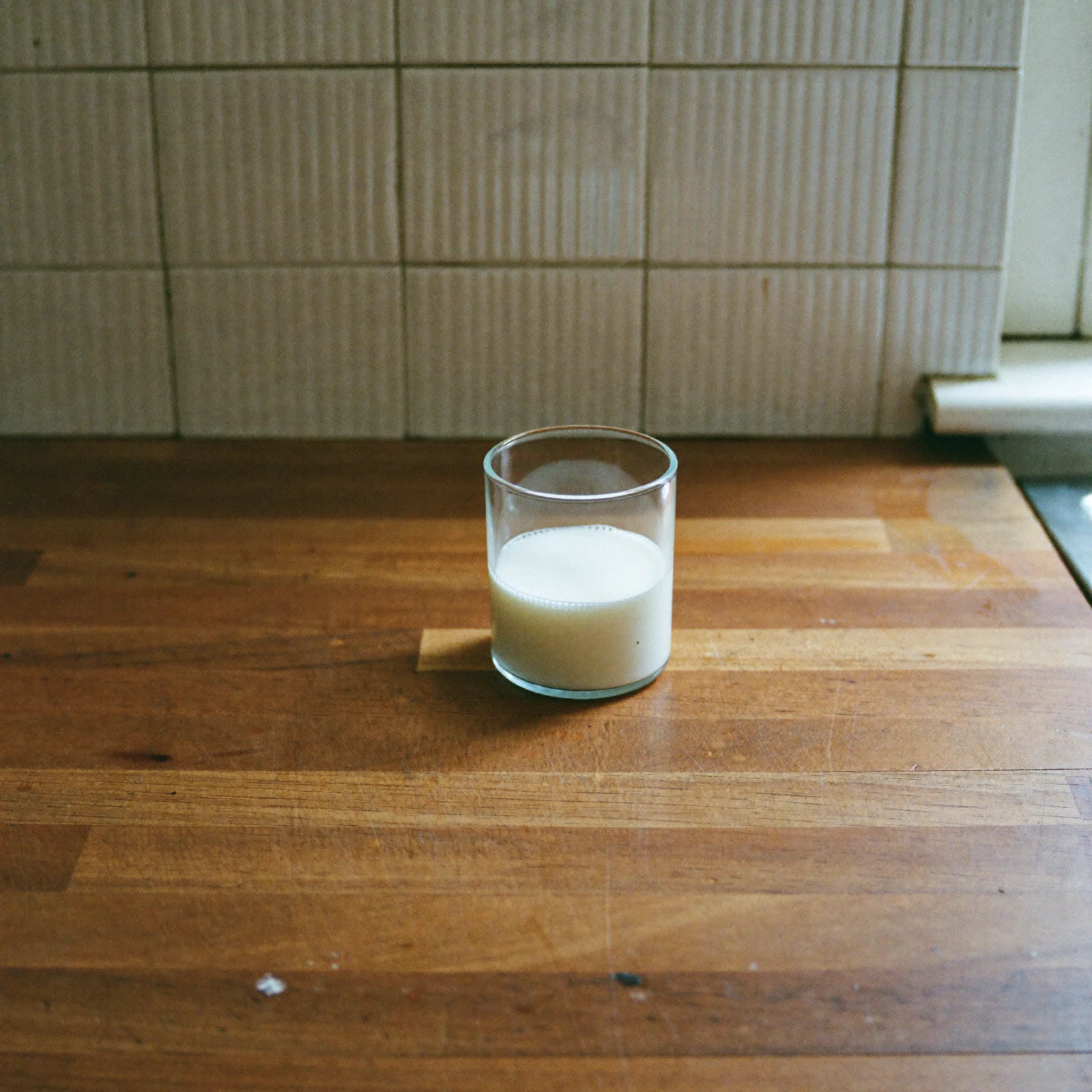
Verdict: use it
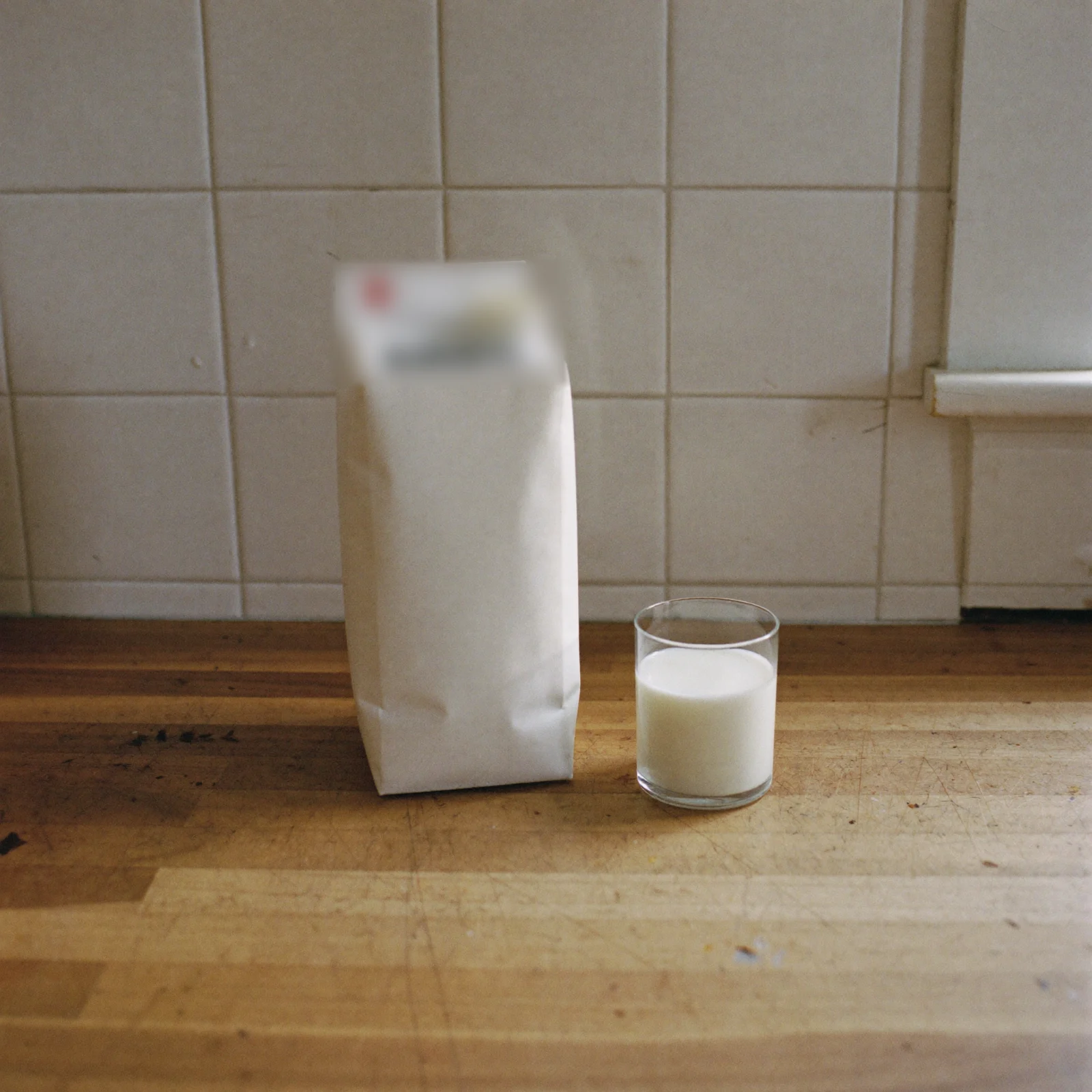
Fresh milk
Smells faintly sweet, and pours smooth and white. That is milk well inside its window. So the only thing to check is that it goes back onto a shelf rather than into the door.
Verdict: smell it, then use it
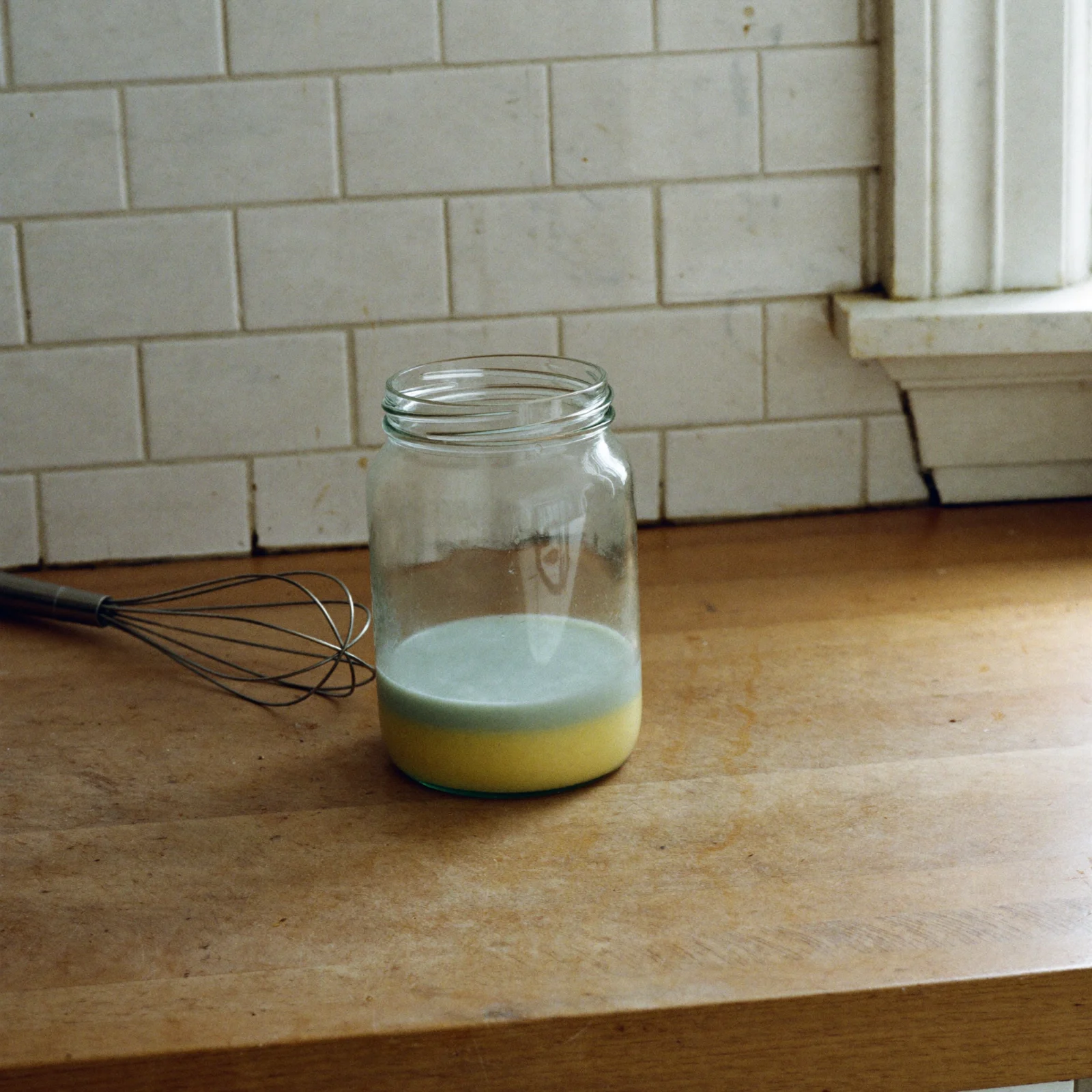
Milk past its date
The sell-by date has passed, but the milk still smells sweet. Clemson Cooperative Extension gives pasteurized milk 1 to 5 days beyond that date. So an unopened carton kept properly cold is usually fine. Smell it over the sink first, since that costs nothing.
Verdict: shake it, then cook with it
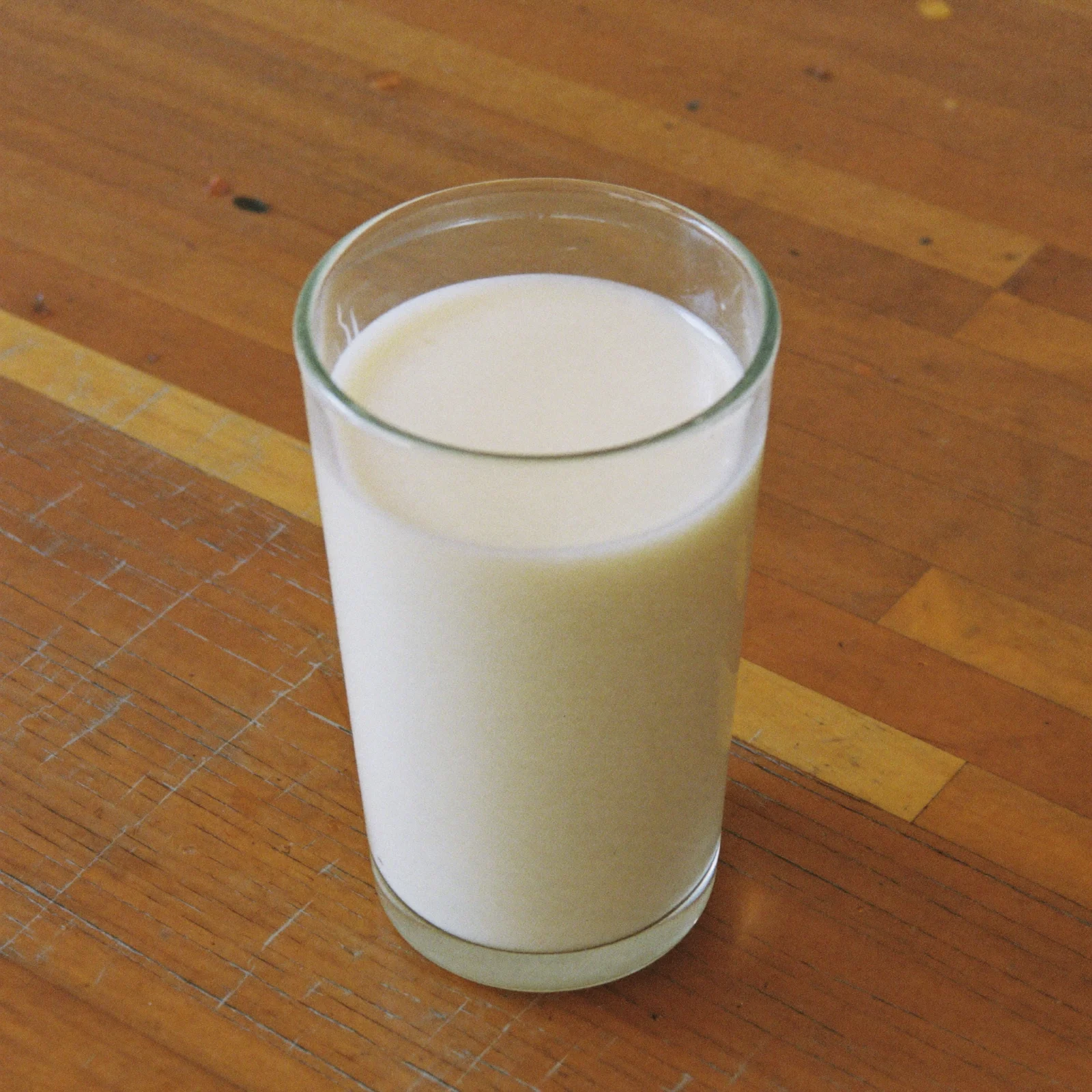
Thawed milk that separated
Grainy, watery and perhaps a little yellow, straight out of the freezer. Mississippi State University Extension explains that the fat and protein thaw before the water does. So separation here is physics rather than spoilage. Shake it hard, then put it into pancakes, a white sauce or porridge. It will never look quite right in a glass again.
Verdict: throw it out
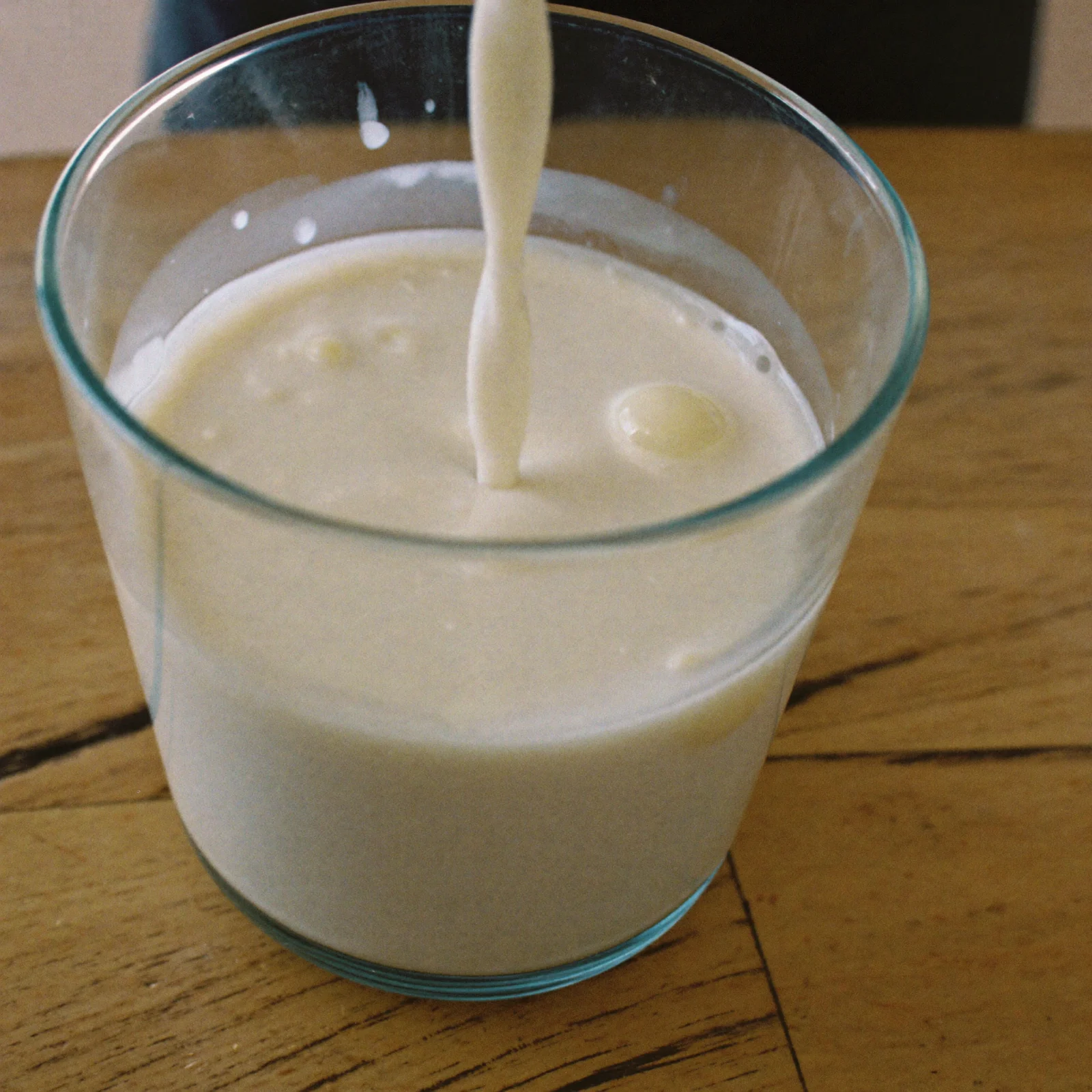
Sour-smelling milk
A sharp, sour smell as you open the carton. Clemson Cooperative Extension lists sour odor first among the signs of spoilage. So this is where milk stops being a judgement call. No extension source we opened suggests baking with soured pasteurized milk, so pour it away instead.
Verdict: throw it out
Lumpy or slimy milk
Lumps, curds, a slimy feel or a yellow cast. Clemson Cooperative Extension names curdled consistency as spoilage, and by this point the sour smell is also unmistakable. Then rinse the carton before it goes out for recycling, since the smell lingers in a warm kitchen.
Is raw milk safe to drink?
No, and this is the one hard safety rule on the page. The FDA says raw milk can contain a variety of disease-causing pathogens, as demonstrated by numerous scientific studies. Pasteurization, however, effectively kills raw milk pathogens without any significant impact on milk nutritional quality. Children are typically more vulnerable than adults to those pathogens, according to the same page. So no storage method makes raw milk safe, since cold slows bacteria down instead of killing them.
Milk substitutes
Out of milk, or did the carton turn overnight? Then one of these will stand in.
Substitute
Works best in
What changes
Evaporated milk
Baking and coffee
A year unopened (Virginia Tech), then 4 to 5 days (NDSU).
Shelf-stable UHT milk
Cereal and cooking
Virginia Tech's chart gives it 6 to 12 months in the cupboard.
Nonfat dry milk
Baking and sauces
NDSU gives the powder 3 months in an airtight container.
Plain yogurt, thinned
Pancakes and marinades
Thicker and tangier, so loosen it with water first.
Mistakes people make when they store milk
These are the mistakes that undo everything else about how to store milk, and each one has an easy fix.
Keeping the carton in the fridge door. That is the warmest shelf in the fridge, so move the milk inside.
Letting the carton sit out through breakfast. Pour what you need and put it straight back, since 2 hours above 40°F is the limit.
Tipping leftover milk back into the carton. NDSU Extension warns against it, because the poured milk carries warmth and bacteria back in with it.
Trusting the sell-by date over your nose. Clemson gives milk 1 to 5 days beyond that date, so smell the carton instead.
Drinking straight from the jug. Then the whole carton has your mouth in it, and no fridge temperature undoes that.
Packing the fridge solid. The FDA warns that cold air must circulate around refrigerated foods, so leave the carton some room.
Throwing out separated thawed milk. That is physics rather than spoilage, so shake it and cook with it.
Sources
Safe Handling of Milk & Dairy Products, Pamela Schmutz, D.T. Vines and E.H. Hoyle, Clemson Cooperative Extension HGIC 3510, revised March 2007, on refrigerating milk in its original container, about two weeks of storage, 1 to 5 days beyond the sell-by date, freezing at 0°F for up to three months, and sour odor, off-flavor and curdled consistency as spoilage.
Food Storage Guidelines for Consumers, H. Lester Schonberger and Renee Boyer, Virginia Cooperative Extension publication 348-960, revised October 2025, on fluid milk lasting 8 to 20 days below 40°F, fresh milk keeping to its package use-by date, and freezing milk not being recommended because thawed milk separates and develops off flavors.
Food Storage Guide Answers the Question . . ., Julie Garden-Robinson, NDSU Extension publication FN579, reviewed January 2023, on homogenized milk keeping 5 days in the refrigerator with the freezer not recommended, keeping containers tightly closed, not returning unused milk to the original container, and nonfat dry milk at 3 months.
Food Freezing Basics: Freezing Dairy Products, Eggs and Other Foods, Julie Garden-Robinson, NDSU Extension publication FN616, reviewed September 2022, on pasteurized homogenized milk being freezable, some quality change on thawing, and stirring or shaking to restore smoothness.
Freezing offers milk lovers an option for stocking up, Linda Geist, University of Missouri Extension, March 2020, on freezing milk at zero degrees Fahrenheit, half an inch of headspace in pint jars and an inch in quart jars, thawing in the refrigerator, the yellow tinge, and using thawed milk within a few days.
Use the freezer to keep dairy, eggs, Susan Collins-Smith, Mississippi State University Extension Service, April 2020 and updated August 2025, on removing an inch or two of milk for expansion, fats and proteins thawing faster than the water, and shaking or whisking thawed milk before using it immediately.
Refrigerator Thermometers: Cold Facts about Food Safety, U.S. Food and Drug Administration, content current as of March 2024, on keeping the refrigerator at 40°F or below and the freezer at 0°F, the 2-hour limit for perishable foods, and not overpacking so cold air can circulate.
Raw Milk Misconceptions and the Danger of Raw Milk Consumption, U.S. Food and Drug Administration, content current as of March 2024, on raw milk carrying disease-causing pathogens, pasteurization killing them without significant impact on nutritional quality, and children being more vulnerable than adults.
Food Safety: The 2-hour rule, Brenda Marty-Jimenez, UF/IFAS Extension Broward County, October 2023, on bacteria growing quickly between 40 and 140°F and discarding perishable food left out longer than 2 hours, or 1 hour above 90°F.
Milk Storage Recommendations, Dairy Division, Connecticut Department of Agriculture, on Grade A milk being held below 40°F, milk lasting about 2 weeks when properly refrigerated, and the colder milk is kept the longer it lasts.
How should I store my milk to make it last the longest?, Ask A Dairy Farmer, Alberta Milk, on storing milk on refrigerator shelves rather than in the doors, leaving milk in its original container, and light destroying vitamins such as vitamin D and riboflavin.
Storage times and safety advice on this page come from the sources above. Food safety depends on conditions I cannot see, so read the Disclaimer, and if in doubt, throw it out.
Other ingredient guides
Browse all guides



Share this guide
Never miss a guide
New ingredient guides when they go up, plus one storage tip worth knowing. Anything sponsored is labelled.

Emilly White